
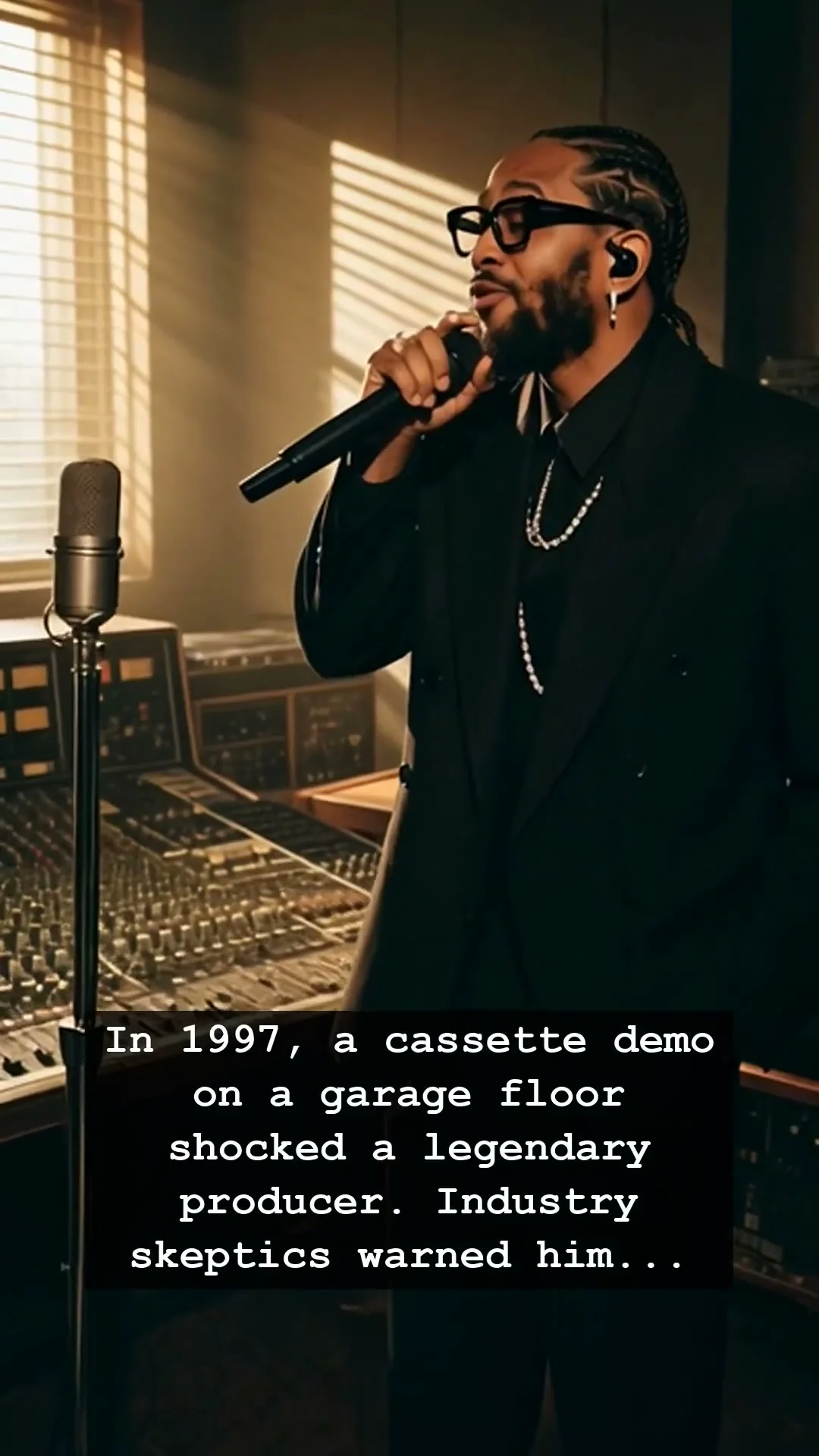
The year was 1997, and the music industry was a fortress of gatekeepers, tightly holding the keys to what was considered authentic hip-hop. In the sun-drenched, high-pressure world of Los Angeles music executives, a white kid from Detroit was considered little more than a punchline before he even opened his mouth. Yet, on a dusty garage floor, a discarded cassette demo was about to ignite a firestorm that would redefine the trajectory of global music. When Dr. Dre, the architect of West Coast G-funk, first heard that raw, unpolished tape, he didn’t hear the color of a man’s skin; he heard a hunger and a lyrical dexterity that made the industry establishment tremble. It was a gamble that defied every unspoken rule of the nineties.
Industry skeptics and suits in boardroom offices warned Dr. Dre that signing Eminem was professional suicide. They argued that a white rapper would never earn the respect of the streets or the radio programmers who controlled the airwaves during the era of the Walkman and the MTV dominance. But Dre, a man who had already survived the volatile era of N.W.A. and the shifting tectonic plates of gangsta rap, saw something deeper. He saw a kindred spirit—an outsider whose internal pain mirrored his own. In a world of choreographed glitz and glossy production, the grit found on those early Eminem recordings was a revelation of pure, unfiltered human neurosis.
Locked away in a studio that felt more like a laboratory for sonic alchemy, the duo began crafting the sound that would eventually define the turn of the millennium. The collaboration was far from easy; it was a collision of two worlds, two backgrounds, and two distinct temperaments. They spent endless nights obsessing over every syllable, turning the dark corners of their personal trauma into global anthems. For Dr. Dre, this wasn’t just about selling records; it was a desperate attempt to stay relevant in a genre that was constantly hungry for the next big shock to the system.
When the first notes of The Slim Shady LP hit the airwaves, the backlash was immediate and deafening. Parents were outraged, critics were divided, and the cultural debate about race in hip-hop turned toxic. Yet, there was no denying the technical mastery at play. Eminem possessed a rhythmic complexity that was years ahead of his contemporaries, and Dr. Dre provided the perfect, clinical soundscape to house that manic energy. It was a perfect storm of timing and genius that moved hip-hop from the fringes of West Coast culture into the absolute center of suburban American living rooms.
Looking back, this pivotal moment serves as a haunting reminder of how fragile the history of music actually is. Had that cassette stayed on that garage floor, or had Dr. Dre listened to the frightened voices of the industry giants, the landscape of the 2000s would have looked entirely different. Today, we recognize it as the moment the barriers finally crumbled. It remains a timeless lesson on the power of trusting your gut instinct over the cold, calculated projections of the establishment. The story of Dr. Dre and Eminem is a testament to the fact that sometimes, the most groundbreaking art is found in the places where others are too afraid to look.