
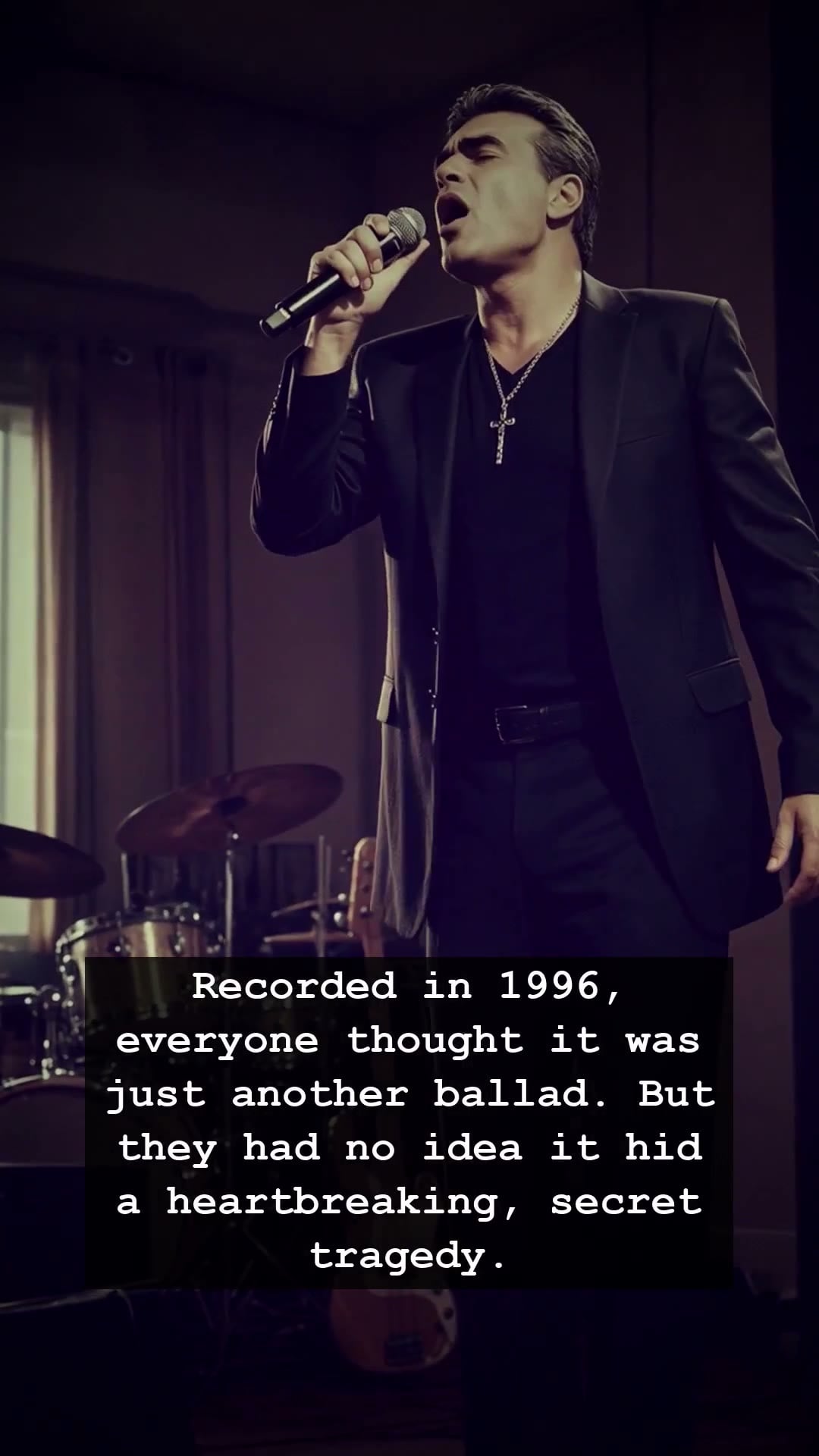
In 1996, the airwaves were dominated by the neon glow of pop and the encroaching distortion of grunge, but amidst the shifting soundscape of the mid-nineties, George Michael emerged with a ballad that felt like a quiet, devastating confession. To the casual listener flipping through MTV channels, it was just another smooth, sophisticated track from a global superstar. However, the world had no idea that beneath the velvety production, George Michael was pouring his raw, hidden agony into every single lyric. This wasn’t just a song; it was a vessel for a grief he had been forced to carry in the shadows for years.
At the time, George Michael was navigating the labyrinthine pressures of fame while grappling with the agonizing loss of his first great love, Anselmo Feleppa. When he stepped into the studio to record the haunting ballad ‘Jesus to a Child,’ the public was unaware of the tragedy that had unfolded behind the velvet ropes of his private life. While the world saw the icon of the eighties, the man who rose to stardom on the back of Wham! and his solo reign, they didn’t see the man who was silently mourning. He channeled the weight of that bereavement into a melody that remains, to this day, one of the most poignant displays of vulnerability in pop music history.
This era was a complex time for musical identity. The Walkman was still the primary companion for introspective listening, and the glossy perfection of studio recordings was beginning to clash with the raw, unpolished honesty of the emerging alternative scene. George Michael, however, bridged this gap by delivering a vocal performance so authentic that it stripped away the spectacle of his past. He wasn’t performing for the stadium crowds of the eighties anymore; he was whispering a prayer for someone who could no longer hear him. It is this dissonance between the public persona and the private pain that makes the story of this song so compelling to those of us who grew up with his music.
The tragedy of losing Feleppa to AIDS-related complications in 1993 had left George Michael in a state of suspended animation. The song served as his public coming-out, not through a press release, but through the universal language of sorrow. When he sang, ‘And for every wish that you have, I will make that wish mine,’ the audience sensed the depth of his devotion, even if they couldn’t name the man he was honoring. This was the dark underside of the glittery pop industry, where stars were often expected to remain perpetually buoyant, hiding their scars behind the flicker of camera flashes.
Looking back, the track stands as a testament to the endurance of the human spirit. It serves as a haunting reminder that even the most successful idols are tethered to the same human experiences of loss and longing as the rest of us. George Michael transformed his suffering into a timeless piece of art, proving that his voice was always at its most powerful when it was fueled by honesty. As we look back on the golden age of pop, let us remember George Michael not just for the hits that filled the jukeboxes of our youth, but for the profound empathy he offered in his most tragic hours.