
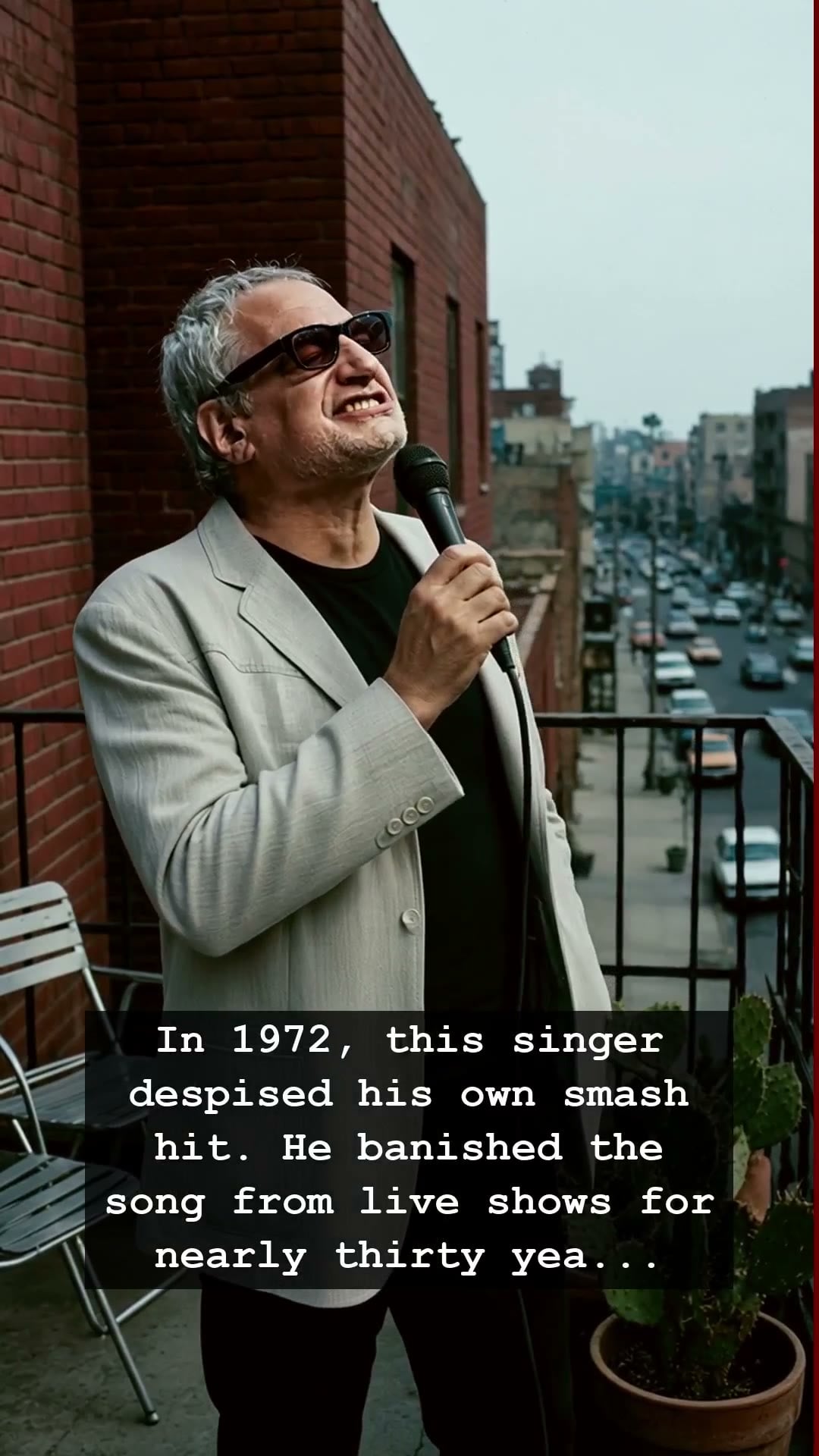
It was 1972, a year defined by the warm glow of the radio and the scratchy, familiar hum of a vinyl record spinning on a turntable. Steely Dan had just burst onto the scene with a song that would become their undeniable signature, a breezy, infectious track called Do It Again. For the average listener sitting in their living room with a fresh cup of coffee, the song was a masterclass in jazz-inflected rock perfection. It soared up the charts, becoming the anthem of a generation that was slowly drifting away from the psychedelic haze of the late sixties and into the more polished, sophisticated sounds of the seventies. Yet, behind the scenes, away from the applause and the adoration of the press, the song’s creator felt something entirely different: he felt a profound, biting disdain.
Donald Fagen, the brilliant and often curmudgeonly genius behind the keys, did not just dislike the track; he viewed it as a creative albatross. To Fagen, the success of Do It Again felt like a creative trap, a pop-driven artifact that didn’t reflect the complex, cerebral sonic landscapes he and partner Walter Becker were truly obsessed with. He considered the song too simple, perhaps even beneath the standard they set for themselves in the studio. In a move that shocked fans and concert promoters alike, he effectively exiled the song from the Steely Dan live repertoire. For nearly three decades, the track that made them famous was locked away, a ghost that Fagen refused to acknowledge or bring to life on stage.
This wasn’t just a matter of musical preference; it was the manifestation of the intense, obsessive perfectionism that defined the Steely Dan mystique. In an era where bands were expected to perform their hits night after night for their loyal fans, Fagen’s refusal to play the song was an act of defiance. It was a statement that the artist’s vision mattered more than the audience’s expectations. As the decade progressed, through the golden age of the Walkman and the shift toward the slick production of the eighties, the absence of the song only fueled the legend. It became a piece of rock and roll lore, a subject of hushed debate in record stores and dive bars alike.
Why does this story resonate so deeply today? Because it captures the beautiful, messy friction between commerce and art that defined the seventies. We often romanticize the music of the past, seeing it only as a collection of hits, but behind every chart-topper was an artist struggling with the weight of their own creation. The silence surrounding Do It Again for all those years wasn’t a void; it was a loud testament to an uncompromising vision. It reminds us that behind the smooth harmonies and the legendary production, there were real humans fighting for their identity.
Eventually, the exile ended, and when Fagen finally returned the song to their setlist at the dawn of the new millennium, it felt like a resolution to a long-standing tension. The crowd erupted, hearing those familiar, haunting opening notes that had been missing for a lifetime. Whether you first heard it on a jukebox in a dimly lit tavern or through a pair of foam-covered headphones, the legacy of Steely Dan remains etched in the history of American music. It serves as a reminder that the songs we hold dear are often shaped by the complex, hidden histories of the people who dared to write them. Does the song still sound the same to you now that you know the story behind the silence?