
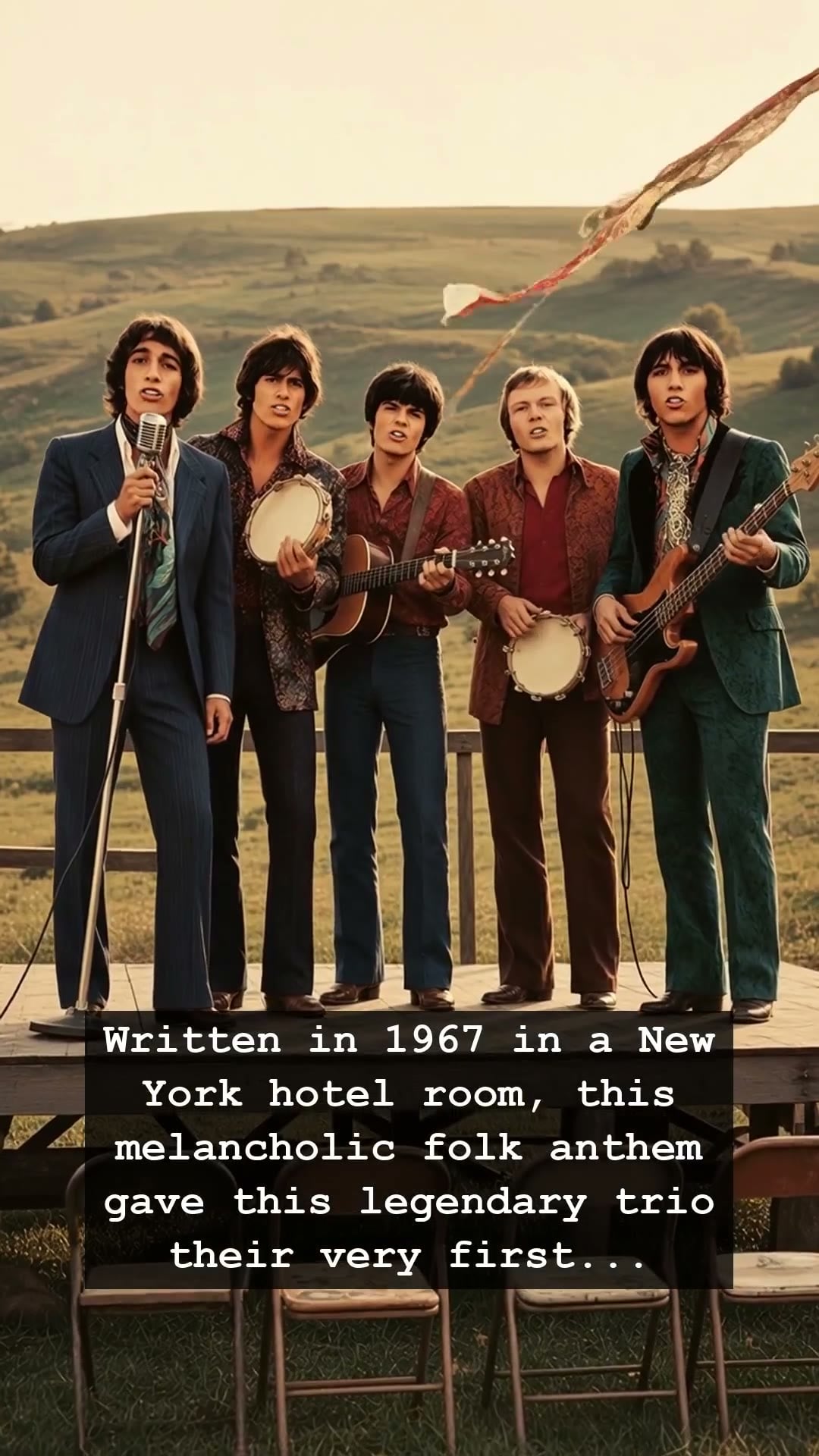
It was 1967 in a dimly lit New York City hotel room, a world away from the sunny Australian shores where they had spent their youth. The air was thick with the nervous energy of three young brothers—Barry, Robin, and Maurice Gibb—as they sat with an acoustic guitar, wrestling with the weight of impending global fame. They were young, desperate to make their mark on a music scene rapidly shifting toward the experimental, yet they found themselves crafting a sound that felt ancient and melancholic. That rainy night, amidst the hum of the city, they birthed a folk anthem that would soon become their first UK chart-topper: Massachusetts.
Most listeners today associate the Bee Gees with the shimmering disco balls of Studio 54 or the high-pitched falsettos that defined the Saturday Night Fever era. Yet, the story of this iconic trio is rooted in something far more grounded and raw. Before the white polyester suits and the pulsating basslines of the late 70s, the Bee Gees were master storytellers of the baroque pop movement. Massachusetts was the song that solidified their place in the pantheon of British music legends. It was a haunting melody that captured a sense of longing for a place they had never actually visited, a testament to their uncanny ability to weave cinematic emotion into three minutes of radio-ready brilliance.
When you hear those opening harmonies, it feels like peering through a dusty window into a bygone era. It was a time when the Jukebox was the heartbeat of every corner diner and the radio was the only bridge between the artist and the audience. The Bee Gees possessed a telepathic connection that only siblings can share, blending their voices into a singular, ethereal instrument. This particular track was not just a hit; it was a haunting shift in their trajectory, propelling them from local curiosities to household names, all while they navigated the treacherous, cocaine-fueled landscapes of the global music industry that would later claim so many of their peers.
There is a tragic irony in the brilliance of the Bee Gees. While they conquered the charts, they were often dismissed by the rock critics of the time, their immense success eventually triggering a visceral, public backlash during the death of the disco era. They lived through the highest highs of stadium tours and the lowest lows of being blacklisted from the very radio stations they once dominated. Yet, through the drama and the personal tragedies that shadowed the family, those early melodies remained the bedrock of their survival. They proved that beneath the glitz of the spotlight, there was a profound, aching vulnerability that never truly faded.
Even decades later, those three-part harmonies still resonate with a timeless, unsettling beauty. Whether you remember catching their songs on the radio while driving with your windows down or finding their vinyl in a dusty crate at an estate sale, the Bee Gees remain an inseparable part of the tapestry of our collective memory. Their journey from that New York hotel room to worldwide superstardom reminds us that music is the only true time machine. Take a moment today to listen to Massachusetts and let the ghosts of 1967 wash over you once more.