
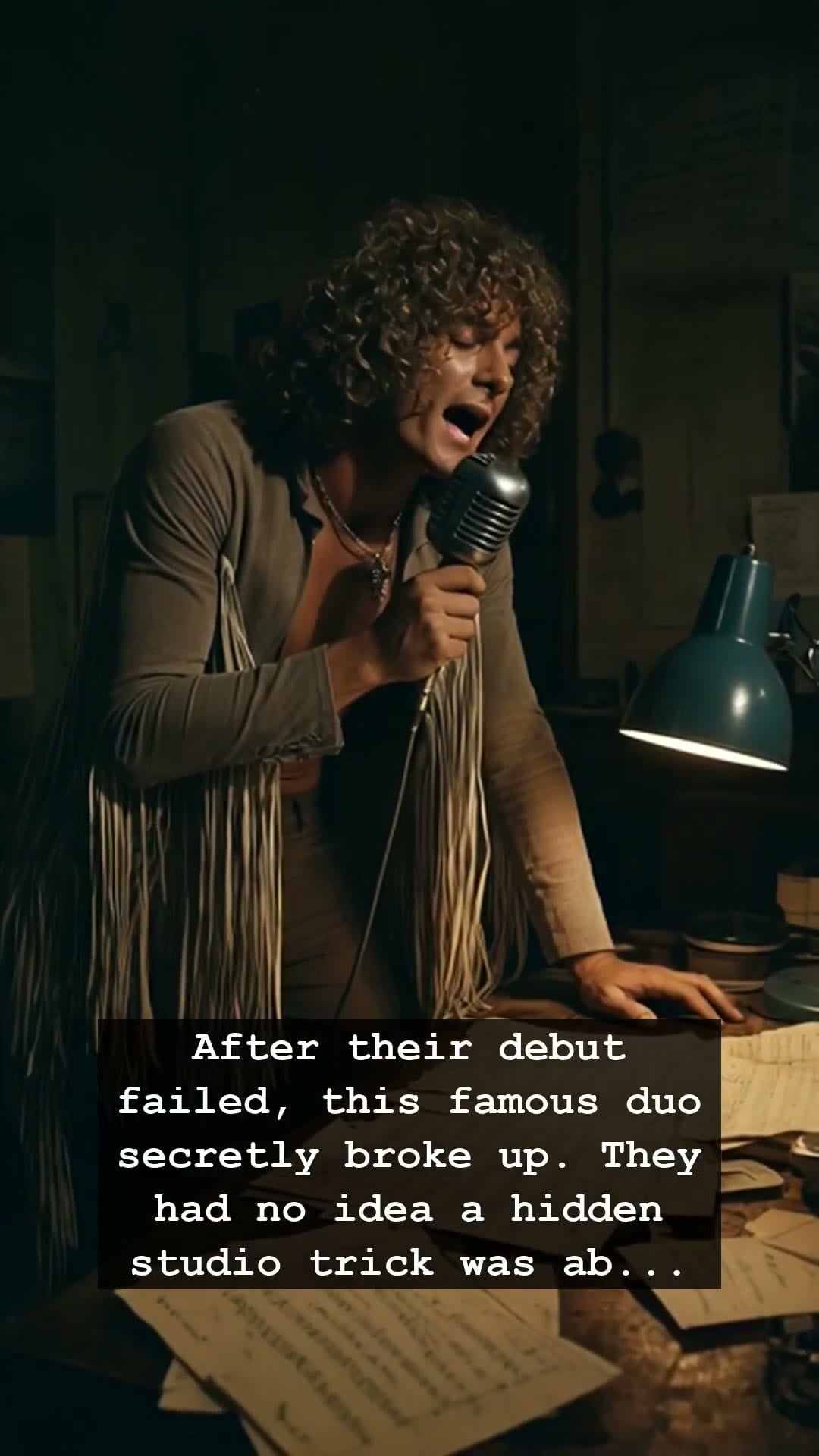
It was 1965, and the folk duo known as Simon and Garfunkel was, for all intents and purposes, a dead project. Their debut album, Wednesday Morning, 3 A.M., had landed with a thud so quiet it barely registered on the cultural radar. Paul Simon had packed his bags for England to chase a solo career, while Art Garfunkel returned to his quiet life as a student. To the world, they were just another aspiring act swallowed by the relentless machinery of the music industry. They had no idea that a ghost of their past was about to haunt the airwaves and propel them into the stratosphere of American music history.
While the duo was thousands of miles apart and completely oblivious, producer Tom Wilson was sitting in a Columbia Records studio, looking at a master tape of their song The Sound of Silence. He felt the original acoustic version lacked the punch required to compete with the burgeoning folk-rock explosion sparked by Bob Dylan. In a move that would have been considered heresy by folk purists of the era, Wilson hired session musicians to secretly overdub electric guitars, bass, and drums onto the original track. He didn’t ask for permission, and he certainly didn’t consult the artists. He simply let the new, electrified pulse of the song breathe.
The resulting sound was a haunting marriage of delicate, poetic lyrics and the nervous, crackling energy of an emerging rock generation. When the remixed version was released, it didn’t just climb the charts; it ignited them. Paul Simon and Art Garfunkel suddenly found themselves thrust back together, the architects of an accidental hit that defined the mid-sixties. They had gone from obscurity to icons overnight, forced to reconcile their creative differences to ride the wave of a success they hadn’t actually built together. This dramatic turnaround remains one of the most fascinating twists in the history of pop culture.
Looking back, the success of The Sound of Silence serves as a reminder of the volatile, unpredictable nature of the studio magic that fueled the sixties. It was an era where the Jukebox was king, and a single three-minute song could bridge the gap between failure and immortality. The friction between the duo’s acoustic folk roots and the electric future of rock became their signature. This tension was the foundation upon which they would build a career of legendary, albeit often strained, collaborations that spanned decades of American life.
Today, the story of Simon and Garfunkel reminds us that some of our favorite anthems were born from the most desperate circumstances. Behind the smooth harmonies and introspective lyrics lay a narrative of professional collapse and a clandestine studio decision that changed everything. Whether you heard it on a grainy transistor radio or discovered it on a vinyl record years later, the song remains a testament to the fragile line between obscurity and greatness. Their story is a timeless piece of our shared musical heritage, echoing long after the final chord fades into the silence.