
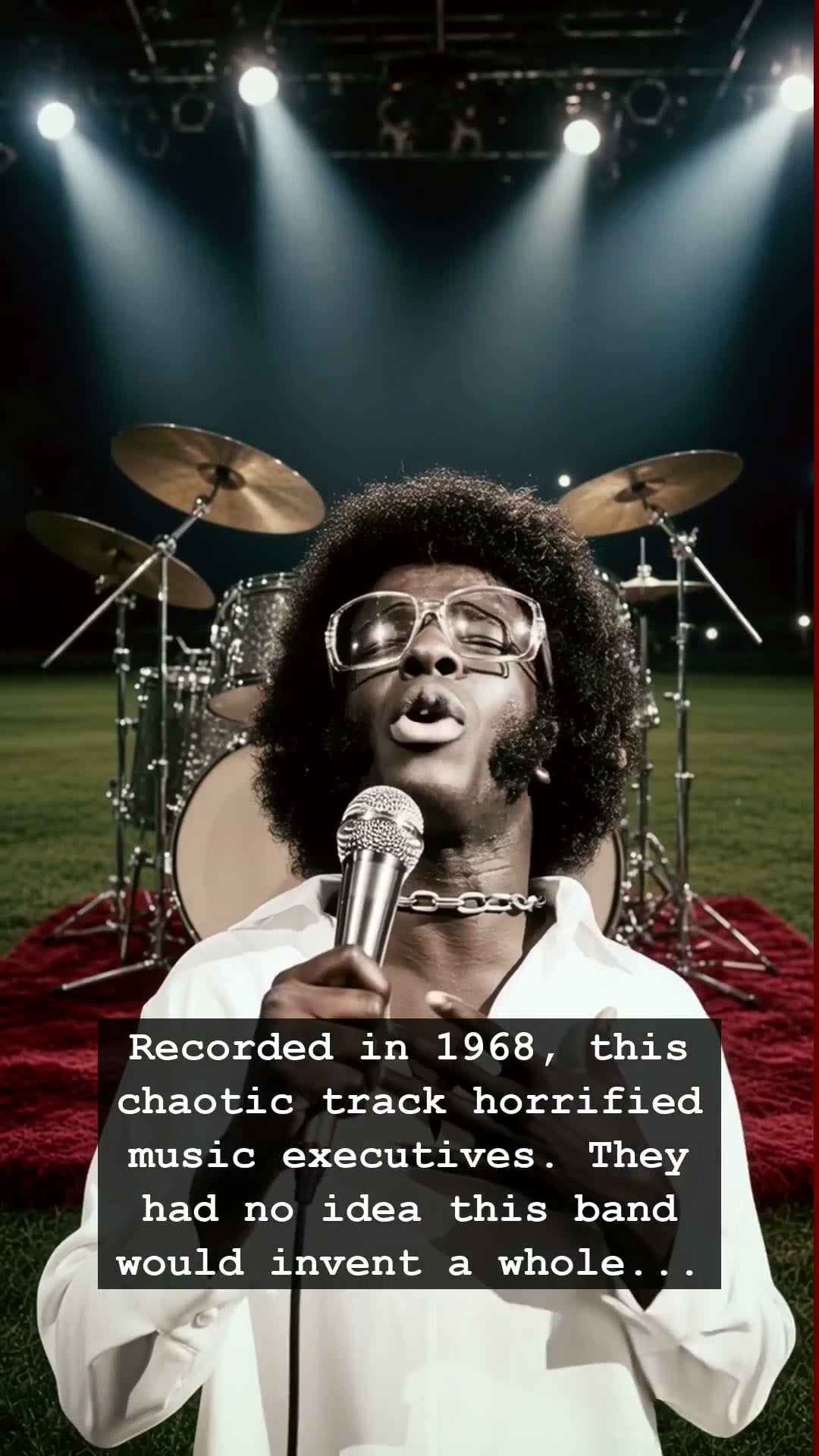
It was 1968, a year defined by turbulence, political upheaval, and a shift in the cultural consciousness of America. Inside a cramped recording studio, Sly and the Family Stone were busy crafting something that sounded absolutely nothing like the polished radio hits of the era. When the band played back their latest recording, the music executives at Epic Records were horrified. They sat in stony silence, listening to what they dubbed a chaotic, discordant mess. They warned the band that this brand of sonic experimentation would never land on a jukebox or receive airplay. Little did those suits know, they were sitting on the blueprint for the entire future of funk.
The genius behind the madness was Sly Stone, a visionary bandleader who dared to dismantle the rigid barriers of musical genres. At a time when radio programming was strictly segregated, Sly and the Family Stone stood as a radical, multi-ethnic, multi-gender collective. They were the physical embodiment of the melting pot, challenging the social norms of the late sixties. Their sound was a jagged, high-energy fusion of gospel, psychedelic soul, and raw rhythm and blues. When the execs heard the thick, slap-bass heavy groove, they heard noise. The world, however, was about to hear a revolution that bridged the gap between the peace-loving counterculture of Woodstock and the gritty, urban streets.
The drama within the band was as intense as the music they produced. As their fame skyrocketed, the pressure of fame began to eat away at the group’s harmony. Backstage, the atmosphere was often thick with creative tension and the creeping shadow of chemical excess, which would eventually turn the sunshine-filled soul of their early hits into something far darker and more isolated. Sly Stone himself became an enigma, a man who could command an arena one night and vanish into the haze of his own self-destructive tendencies the next. Yet, in those early recordings, the energy was undeniable and pure, capturing a lightning-in-a-bottle moment that no amount of label interference could contain.
Today, when we look back through the lens of history, it is clear that Sly and the Family Stone did not just make songs; they constructed a new reality. They influenced everyone from the icons of disco at Studio 54 to the architects of modern hip-hop. Every time a bass player locks into a deep, syncopated groove, you are hearing the ghost of Sly Stone’s initial struggle against the status quo. Their legacy remains one of the most vibrant chapters in American musical history, reminding us that the greatest art often begins as a perceived disaster.
Do you remember the first time the infectious energy of their sound grabbed you? Perhaps it was playing on a crackling transistor radio or echoing through a crowded dance hall. The magic of Sly and the Family Stone lives on, proof that even when the world tells you to quiet down, the boldest path is the one that forces everyone else to listen.