
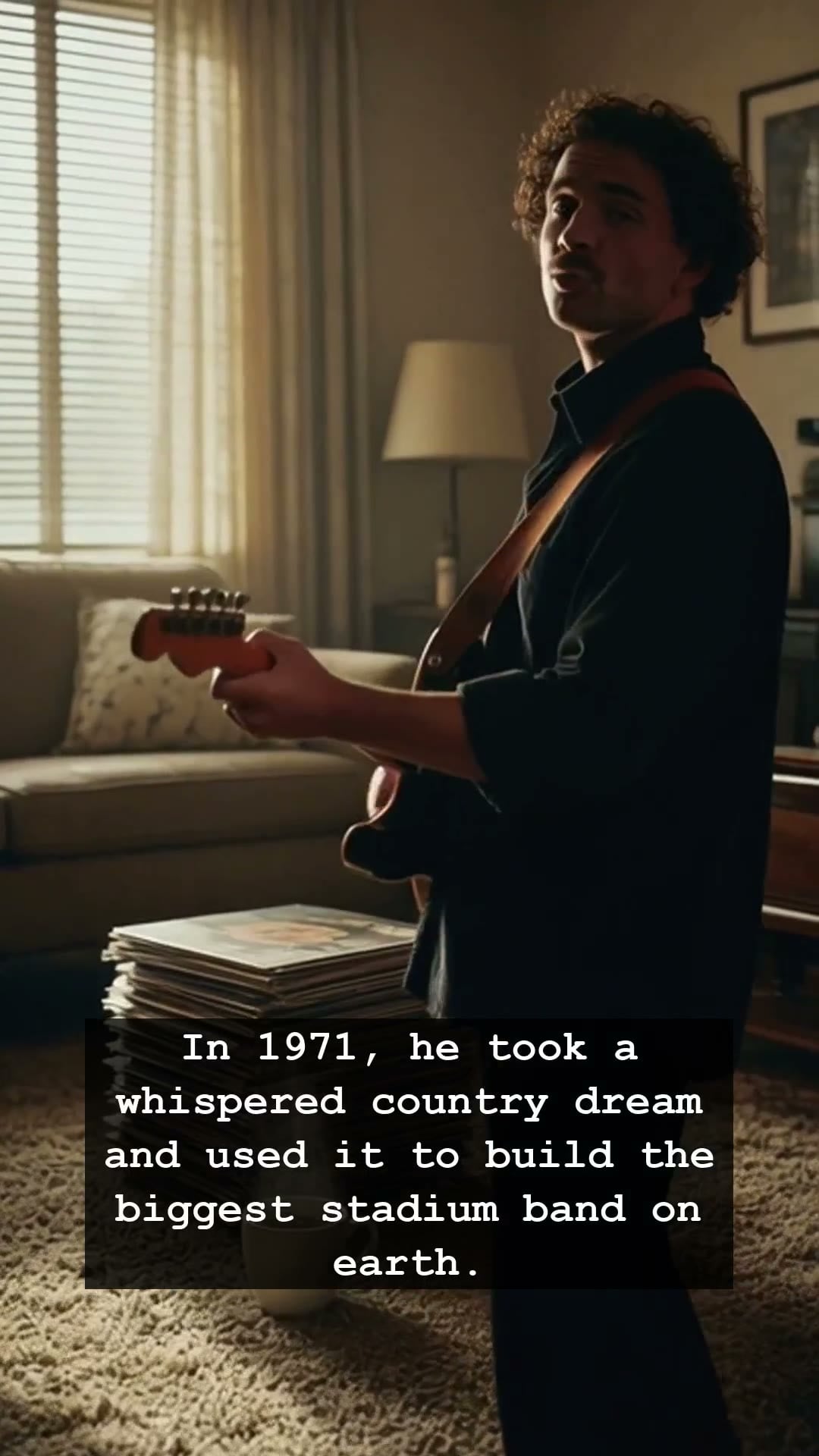
In 1971, the air in Los Angeles smelled of expensive gasoline and cheap dreams. While the world was still recovering from the muddy haze of Woodstock, a quiet revolution was brewing in the tucked-away corners of the Sunset Strip. Most people look at the meteoric rise of The Eagles and see Don Henley or Glenn Frey, but they are missing the true architect of the band’s original, organic soul: Bernie Leadon. He wasn’t just a band member; he was the bridge between the dusty traditions of country music and the electrified future of the American arena rock scene.
Bernie Leadon arrived in Los Angeles carrying a wild, underground country dream. He had just walked away from his mentor, Gram Parsons, leaving behind the troubled but brilliant Flying Burrito Brothers. Leadon was looking for something more—a tighter, sharper sound that could translate the mournful twang of a pedal steel guitar into a language that thousands of screaming fans could understand in a stadium. He carried that blueprinted dream directly into the studio, becoming the catalytic force that helped shape the band’s self-titled debut album.
To understand the magic Bernie Leadon brought to the table, you have to remember the era. This was a time when the Jukebox was shifting from the soul of Motown to the sprawling, experimental sounds of the early seventies. Leadon, a master of string instruments, took the essence of Appalachian roots and infused it with a California polish that had never been heard before. Songs like Witchy Woman and Take It Easy weren’t just pop hits; they were carefully crafted landscapes of American mythology. Leadon provided the grit, the banjo rolls, and the authenticity that allowed the band to soar while everyone else was stuck in a creative rut.
However, the pressure of becoming the biggest band on earth took its toll. Fame in the seventies was a volatile cocktail of massive stadium tours and the dark, lonely nights that followed. As the band transitioned from the intimate country-rock of their early days to the polished, heavy arena rock of the later years, the creative friction became unbearable. Bernie Leadon, the man who had helped build the house, eventually found that he no longer fit within its changing walls. His departure was a quiet, almost poetic exit, marking the end of the band’s most genuine country phase.
Decades later, the echo of that era still resonates through our speakers. When you put on a vinyl record and hear the crisp, intricate banjo work of Bernie Leadon, you are hearing the heartbeat of a transitional moment in music history. He proved that you could bring the dirt and the sincerity of a small-town porch to the grandest stages of the world. It is a story of artistic integrity, the crushing weight of fame, and the indelible mark left by a musician who dared to dream of a sound that belonged to everyone. Next time you spin an Eagles classic, listen closely for the strings—you are hearing the ghost of the country dream that Bernie Leadon once carried.