
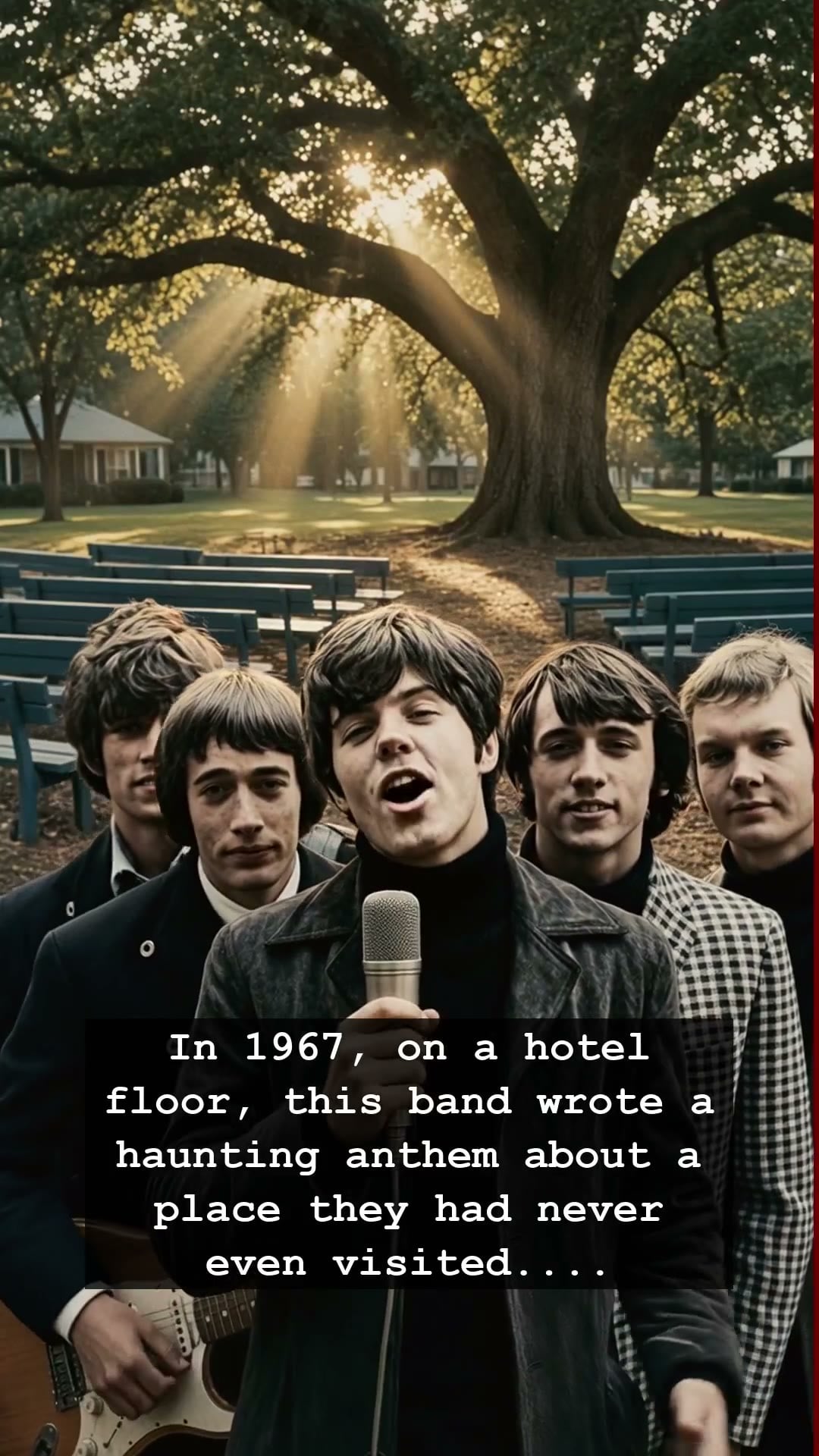
The year was 1967, and the air was thick with the shifting tides of the Summer of Love. Across the Atlantic, a group of brothers known as The Bee Gees were finding themselves at the epicenter of a musical earthquake. They were young, ambitious, and hungry for a sound that could define their emerging legacy. While the world was dancing to the psychedelic hum of the era, the Gibb brothers were huddled on a hotel floor in New York City, crafting a melody that would soon become one of the most iconic songs of their legendary career. It was a moment of pure, raw inspiration, yet it carried a secret that most fans never realized.
The song was Massachusetts, a track that felt like a deeply personal letter to a land they had never actually visited. To the listener, the lyrics evoked a vivid, almost mystical sense of place, a bittersweet ode to a distant home. But in truth, the Bee Gees had never set foot in the state they were singing about. They were foreigners to the American landscape, yet they managed to tap into a universal frequency of longing that resonated with millions of people. It is a testament to their songwriting genius that they could manufacture such a potent sense of nostalgia out of thin air, capturing the quiet heartbreak of a generation defined by travel and transformation.
As the sixties bled into the seventies, the Bee Gees underwent a massive transformation, eventually becoming the kings of the disco floor at Studio 54. However, the success of Massachusetts remains a pivotal anchor in their narrative. It was the bridge between their early, introspective pop beginnings and the global superstardom that would later define their lives. This was an era where the sound of a jukebox felt like the heartbeat of a community, and the Bee Gees were master storytellers, translating complex human emotions into three-minute masterpieces. The tragedy of their later years—the internal pressures, the public backlash during the anti-disco movement, and the loss of the brothers—only adds a layer of heavy, mournful beauty to their early works.
There is something profoundly melancholic about listening to Massachusetts today. When you hear the lush harmonies and the haunting cadence of the melody, you are not just hearing a pop song; you are hearing the ghosts of a vanished decade. You are hearing the sound of young men imagining a world they had only seen in pictures, turning a blank page into a global phenomenon. It serves as a reminder that the best music does not always come from experience, but from the raw, unfiltered desire to connect with the hearts of others.
Even now, decades after the Bee Gees first rose to fame, their influence remains stitched into the fabric of popular culture. They survived the shifting trends of the music industry, from the fragile pop of the sixties to the glittering heights of disco, and their music endures because it speaks to the restlessness in all of us. When you close your eyes and listen to the opening notes of that classic track, you are transported back to a time of innocence, a time when a simple melody could change the world. Does that familiar tune still stir the same longing in your heart today?