
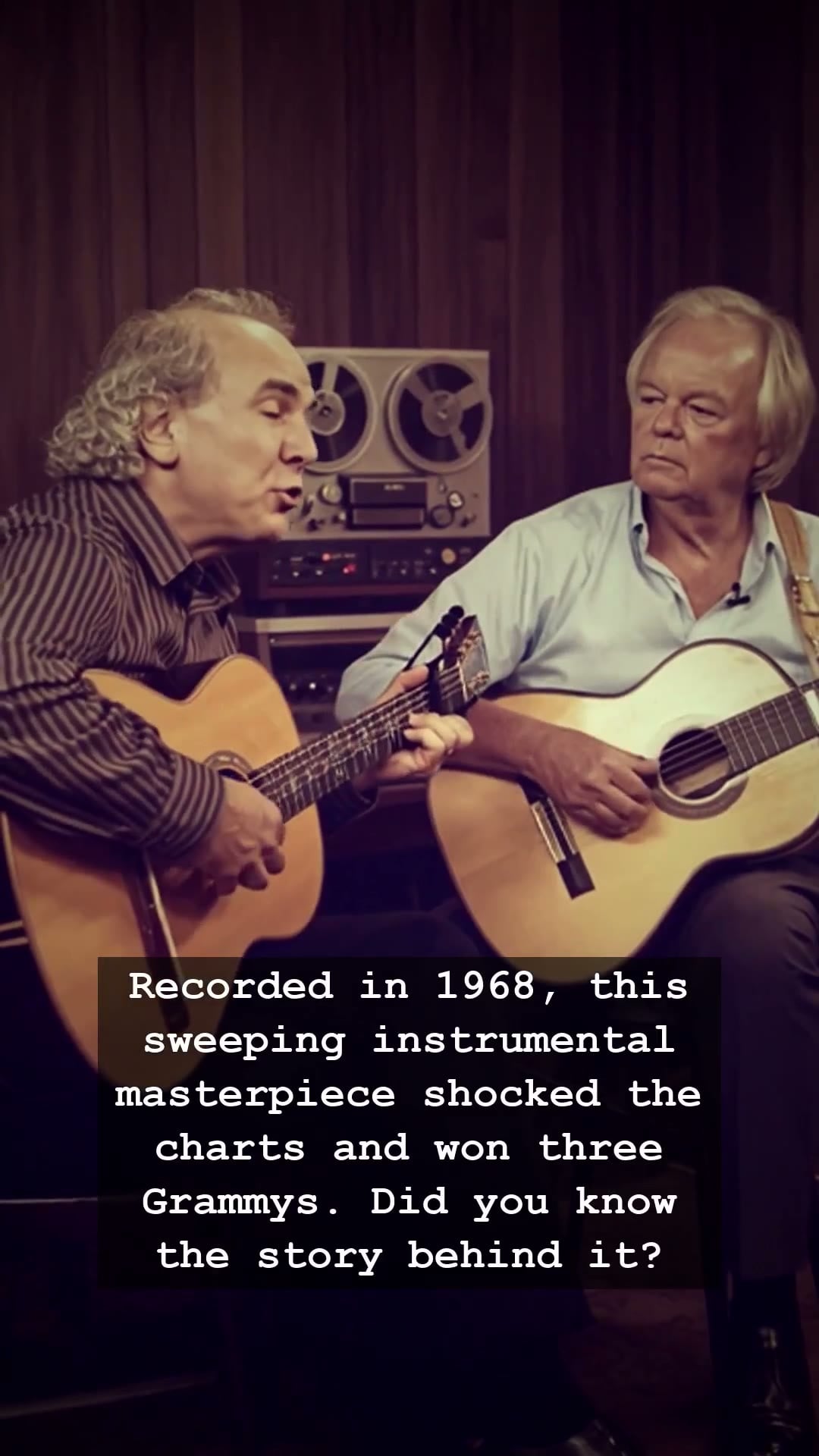
Picture the late 1960s, a time when American culture was locked in a turbulent tug-of-war between the fading innocence of post-war optimism and the raw, psychedelic awakening of the counterculture. In the smoky studios of Los Angeles, pop radio was dominated by explosive vocal anthems, British Invasion monoliths, and the rising tide of protest folk. Yet, right in the middle of this chaotic sonic landscape, a quiet rebellion was brewing. It did not rely on soaring lyrics or screaming electric guitars. Instead, it was born from the nimble fingers of a desperate studio guitarist who decided to gamble everything on a hidden track that nobody expected to survive, let alone conquer the world.
Enter Mason Williams, a talented writer for the Smothers Brothers Comedy Hour and an unsung hero of the Laurel Canyon music scene. In 1968, Mason Williams found himself sitting on a haunting, sweeping instrumental piece titled Classical Gas. Before it became a cultural phenomenon playing on every Jukebox from coast to coast, it was merely an ambitious acoustic guitar exercise that he had been polishing for years. Desperate to give his creation the cinematic weight it deserved, Mason Williams made a risky gamble. He pooled his own meager savings to hire a massive forty-piece orchestra, arranging a lush, dramatic backdrop for his nylon-string guitar in a high-stakes studio session.
When the track was finally recorded, the industry insiders listened with heavy skepticism. Back in 1968, instrumental tracks were rarely given prime airtime, often relegated to mere B-sides or elevator music. Record executives doubted that a sweeping orchestral guitar melody could ever capture the restless hearts of a generation raised on rock and roll rebellion. But Mason Williams proved them all hilariously wrong. Classical Gas struck a profound nerve, shooting straight up the charts and shocking the music industry. It was everywhere, humming through early transistor radios and echoing in living rooms, proving that pure melody still held immense, transcendent power.
The triumph of Mason Williams did not stop at mere chart success. When the dust settled, that desperate recording session yielded three prestigious Grammy Awards, turning an underdog studio musician into a household name almost overnight. The sweeping strings and intricate fingerpicking captured the exact mood of 1968: bittersweet, breathless, and fiercely yearning for something beautiful amidst the cultural turmoil. It was a rare moment where high art and commercial pop collided in absolute perfection, defying every single rule of the modern music business.
Decades later, the legacy of Mason Williams and his masterpiece still resonates deeply with anyone who remembers the golden era of vinyl records and late-night television variety shows. Classical Gas remains a gold standard for acoustic guitar players around the globe, bridging the gap between classical elegance and contemporary folk-pop. It stands as a powerful reminder that sometimes the most enduring musical revolutions do not need words to tell their stories. Close your eyes, listen to those soaring orchestral strings today, and let Mason Williams transport you right back to the magic of 1968.