
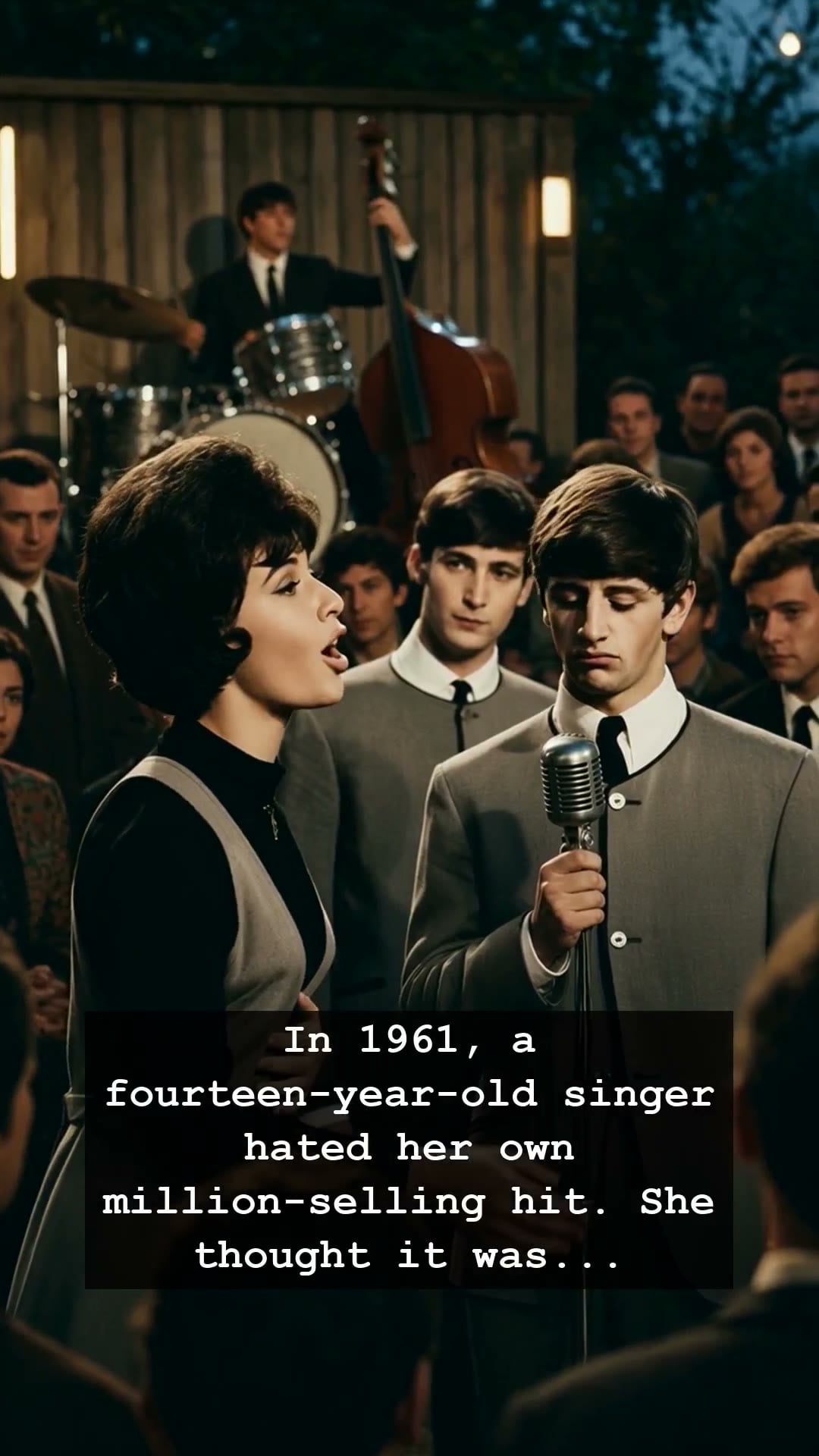
In 1961, the world of music was shifting. While the jukeboxes in dim-lit diners were still pulsing with the raw energy of early rock and roll, a young voice emerged from the British scene that sounded wise beyond her years. Helen Shapiro, only fourteen at the time, possessed a deep, soulful contralto that felt like it belonged in a smoky nightclub rather than a classroom. Yet, the song that would launch her into the stratosphere was a track she absolutely despised. She called it corny, a saccharine production that felt beneath the grit she wanted to project. That song was Walking Back to Happiness, a melody that became an unavoidable anthem of the early sixties, even as its teenage star secretly wished it would just fade away.
Imagine the scene in the recording studio. The smell of stale cigarette smoke, the heavy velvet curtains, and the pressure of producers who saw only dollar signs. Helen Shapiro was a child trapped in a professional machine. She wanted to sing jazz standards or bluesy numbers that showcased her unique range, but the industry had a different plan. To them, she was the perfect pop product: a young girl with a voice that could crack the charts. When they pushed the master tape of the track, she didn’t hear a masterpiece; she heard a nursery rhyme she was forced to sell to millions of radio listeners across the globe.
Despite her internal protest, the public disagreed. The song hit the top of the charts with a ferocity that surprised everyone. It was the era of the transistor radio, where songs traveled like wildfire from living rooms to schoolyards. Teenagers were dancing to the beat, unaware that their idol was harboring a grudge against the very tune they were humming. This contrast between the polished image of a star and the conflicted reality behind the curtains is a recurring theme in the history of the 1960s. It was a time when authenticity was often sacrificed for the sake of the perfect radio edit, leaving young artists like Helen Shapiro to navigate the isolation of sudden, manufactured fame.
Looking back, the tragedy of the situation is clear. Helen Shapiro was an artist with immense potential, yet she was tethered to a song she detested. This is the dark side of the music business during the pre-Beatlemania transition—a period of transition where power rested in the hands of managers and label executives rather than the musicians themselves. She was a pioneer of the British pop scene, standing tall in the spotlight before the world became obsessed with the Fab Four, yet her career is often simplified into that one massive, unintended hit.
Today, we look back at the 1961 soundscape with a sense of bittersweet nostalgia. We hear the echo of a simpler time, but we also recognize the individual behind the microphone. Helen Shapiro deserved more than to be defined by a song she hated, but her story reminds us that even in the golden age of pop, the most iconic moments were often forged in conflict. Every time you hear those opening chords, remember the teenager standing in the booth, wishing for something more. It is a timeless lesson in the cost of fame and the stubborn spirit of a true artist who refused to let one record define her entire soul.