
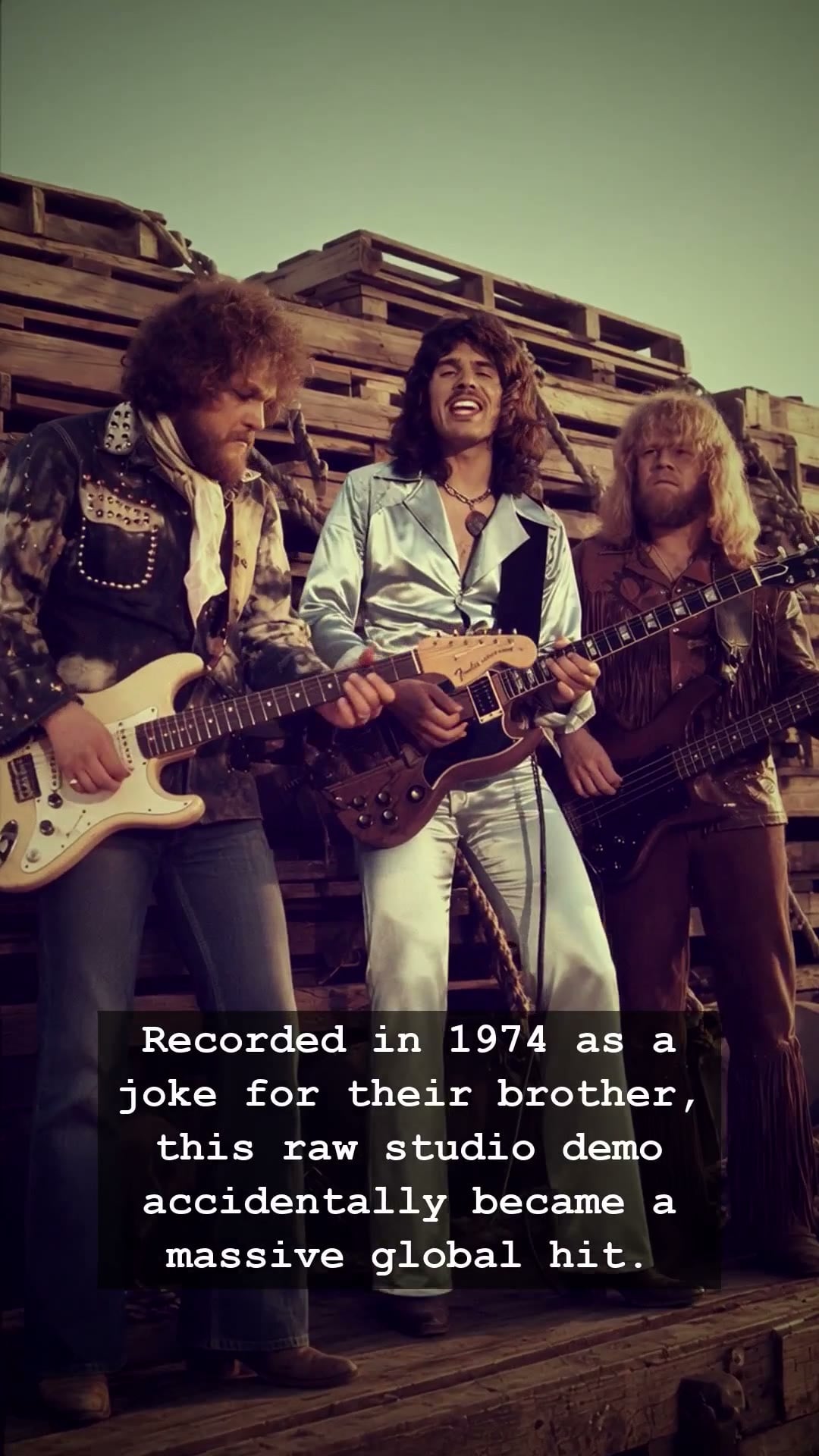
It was 1974, a time when the airwaves were dominated by the polished gloss of soft rock and the disco fever was just beginning to stir in the shadows of underground clubs. In the gritty, smoke-filled atmosphere of a recording studio, four guys from Canada were just trying to blow off some steam. Bachman-Turner Overdrive, or B.T.O. as they would soon be known to the world, had no intention of releasing their heavy, stomping guitar riff. To them, it was nothing more than a crude, slapdash studio warmup—a joke meant for a brother’s ears rather than the charts.
Yet, music history has a funny way of choosing its own path, often bypassing the carefully curated masters in favor of the raw and the unpolished. As the story goes, the band had recorded this heavy guitar demo as a mere rehearsal piece, a rhythmic exercise to get their blood flowing before the real work began. Somehow, this tape found its way into the hands of radio DJs who recognized the primal, infectious power hidden within those distorted chords. Before the band could even decide if the song was fit for public consumption, it was being blasted across airwaves from the local jukebox to the national stage.
This accidental hit, eventually titled You Ain’t Seen Nothing Yet, became an unstoppable force. It captured the blue-collar, sweat-soaked energy that defined the Bachman-Turner Overdrive sound, a stark contrast to the emerging synthetic trends of the era. The song skyrocketed to the top of the charts, turning a simple studio goof into one of the most recognizable rock anthems of the seventies. It is a classic tale of the era, echoing the sentiment of a time when the music business wasn’t yet sanitized by digital perfection, and a lucky break could change a band’s trajectory overnight.
The success of Bachman-Turner Overdrive during this golden age of rock highlights the unpredictability of fame. Imagine being in a studio with your gear scattered about, wearing out your boots as you lay down a track you think no one will hear, only to have that very recording become the soundtrack to a generation. It wasn’t just about the heavy riff; it was about the attitude, the grit, and the sheer audacity of a band that refused to take themselves too seriously. In the golden age of vinyl and analog tape, the listener could hear the humanity behind the music, a quality that Bachman-Turner Overdrive embodied perfectly.
Looking back, the story of this song serves as a reminder that perfection is often the enemy of greatness. The rough edges and the spontaneous energy of those 1974 recording sessions are exactly what made the track resonate with millions. Decades later, when you hear that opening guitar hook crackle through a classic rock station, you aren’t just hearing a song; you are hearing a serendipitous moment in time. Whether you were rocking out with your first Walkman or spinning the record on a heavy turntable, Bachman-Turner Overdrive managed to bottle lightning, leaving us with a legacy that refuses to fade.