
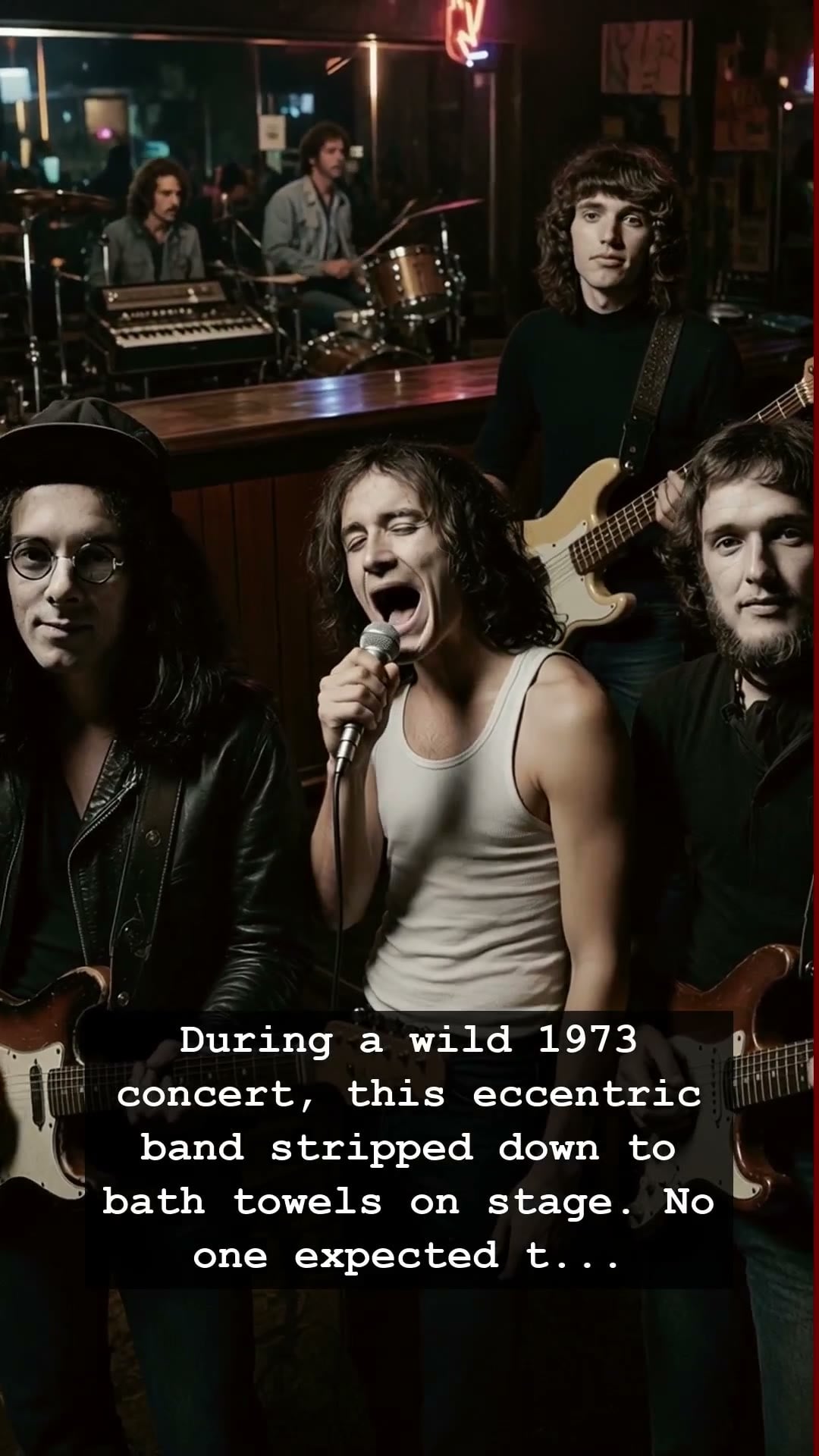
The year was 1973, and the air was thick with the scent of cheap beer, cigarette smoke, and the unyielding spirit of a changing musical landscape. As the Jukebox era transitioned into the high-octane spectacle of the seventies, rock bands were expected to carry an aura of mystery, polish, and carefully curated rebellion. But then there was Dr. Hook and the Medicine Show. While many of their peers were busy building monoliths of ego, Dr. Hook was crafting a legacy built on irony, humor, and a refusal to be anything other than human. Few moments encapsulate this erratic brilliance better than the night they walked onto the stage, discarded their glam-rock costumes, and performed in nothing but bath towels, leaving their stunned audience to question if they were witnessing genius or utter madness.
To understand the absurdity of the towel incident, one must look at the meteoric rise of the band. Dr. Hook was never meant to be the polished stadium act that defined the post-Woodstock era. With the raspy, soulful vocals of Dennis Locorriere and the eccentric charisma of Ray Sawyer, the band turned the pop stardom formula inside out. They were the masters of the self-deprecating anthem, famously singing about wanting to see their ‘Cover of the Rolling Stone’ while struggling with the very industry that made them icons. Their rebellion wasn’t against the music; it was against the pedestals that listeners placed them on.
On that fateful night in 1973, the stage became a canvas for their defiance. As the opening chords hummed through the arena, the band didn’t emerge in rhinestones or leather. They walked out with towels wrapped tightly around them, mocking the pretension of the modern rock star who took himself too seriously. The crowd fell silent, then erupted in laughter—a visceral, genuine reaction that was far more powerful than the rehearsed cheers of a standard concert. It was a hilarious, calculated act of rebellion that stripped away the artifice of show business and laid bare the band’s core identity.
This wasn’t just a gimmick; it was a symptom of the 1970s cultural tension. Dr. Hook thrived in that space between the fading hippie idealism and the commercial explosion of the disco age. They were the funny, honest brothers in a world of increasingly cold, manufactured superstars. While others were disappearing into the hedonistic shadows of Studio 54 or the pressures of non-stop touring, Dr. Hook chose to lean into their outsider status. Their music was a testament to the fact that you could be a massive success without losing your sense of humor or your grip on reality.
Even decades later, the legacy of Dr. Hook resonates with anyone who feels like an outlier in an overproduced world. They remind us that rock and roll was never meant to be clean or predictable. It was meant to be raw, funny, and sometimes, incredibly bizarre. That night in 1973, when the music played and the towels dropped, Dr. Hook didn’t just perform a show—they set a benchmark for what it means to be unapologetically authentic. If you ever find yourself craving a dose of honest, vintage rock, look no further than the band that proved you can reach the top of the charts without ever wearing a suit.