
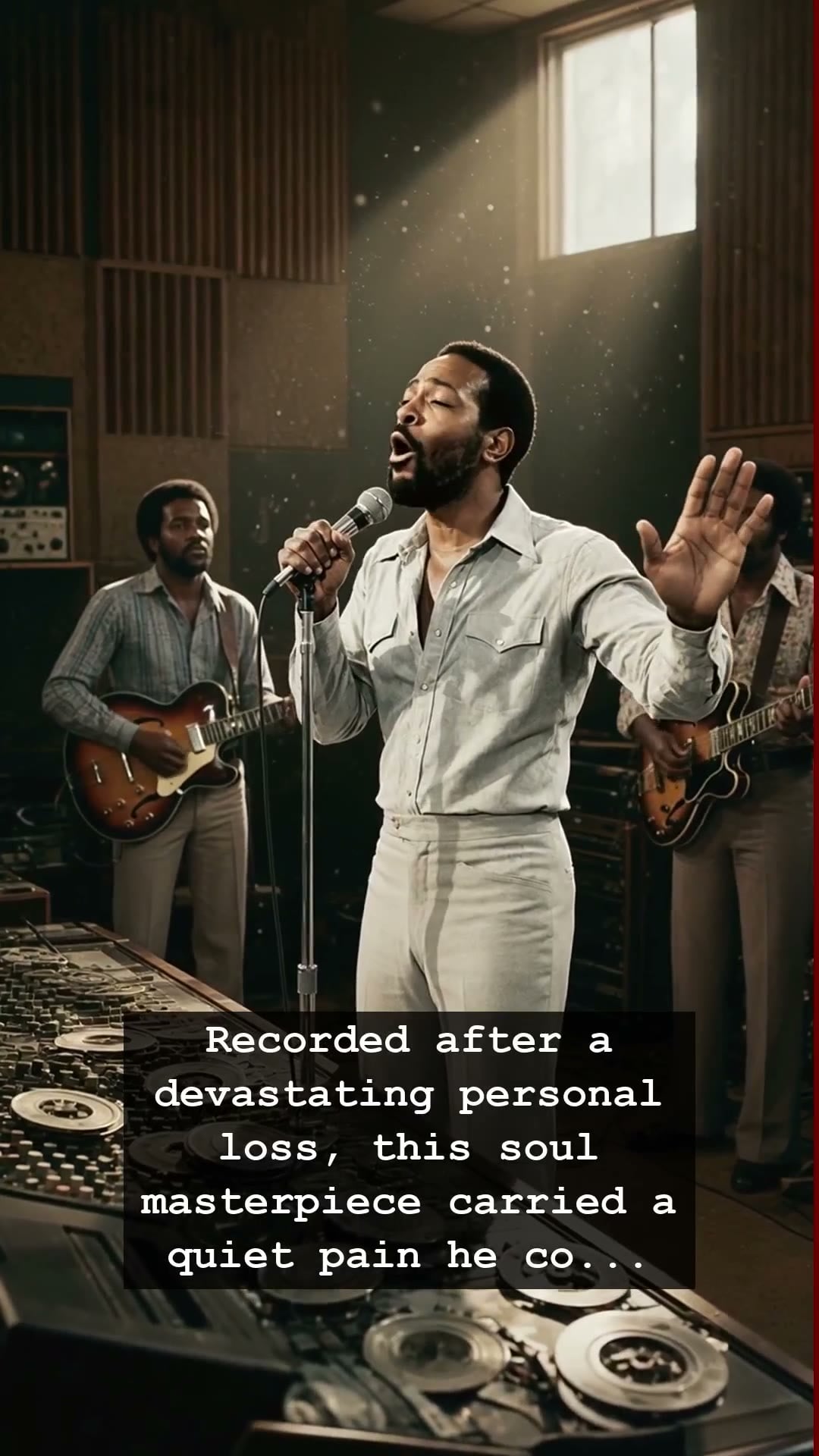
It was a golden era of Motown where the airwaves were dominated by the sweet, polished harmonies of the Detroit sound. Yet, behind the shimmer of the charts and the magic of the jukebox, a devastating reality was unfolding in the studio. Marvin Gaye and Tammi Terrell were the ultimate musical duo, their voices weaving together like silk, creating timeless tracks that defined the soul of the 1960s. But the listener often forgets that the songs they cherish were sometimes born from the depths of profound, crushing personal grief that Marvin Gaye could never truly outrun.
Their partnership was electric, a rare chemistry that felt like a love affair brought to life through microphones and master tapes. Beneath the surface, however, the recording process for their hits became a landscape of heartbreak. In 1967, during a performance at Hampden-Sydney College, Tammi Terrell collapsed into Marvin Gaye’s arms, signaling the beginning of a terminal decline that would eventually silence her beautiful voice. As she battled a brain tumor, Marvin Gaye was forced to continue the recordings, often singing to empty studio spaces or trying to capture the lighthearted magic of their duets while knowing his dear friend was slipping away from the world.
The music produced during this period possesses a strange, haunting quality. When you listen to Ain’t No Mountain High Enough or Your Precious Love today, you are hearing more than just Motown perfection; you are hearing the echo of a man singing to a ghost. For Marvin Gaye, the studio became a sanctuary and a prison. The soulful intensity he poured into those tracks wasn’t just acting—it was the sound of a man attempting to immortalize the presence of a woman who was fading before his eyes. It was a race against time, a desperate attempt to freeze their joy in amber before the inevitable shadow of loss consumed it all.
This era, synonymous with the rise of radio soul and the cultural shifts of the late sixties, was defined by this internal duality. While the public danced to the upbeat rhythm of Motown, the artists themselves were often grappling with the harsh, cold realities of fame, illness, and the pressures of the industry. Marvin Gaye never fully recovered from the trauma of watching his creative soulmate wither away. It left an indelible scar on his artistic trajectory, pushing him toward the deeper, more melancholic introspection that would later define his seminal work, What’s Going On.
Even decades later, these songs remain untouchable, not just for their composition, but for the raw, human history etched into their grooves. Every note Marvin Gaye hit carries the weight of those studio sessions—the silence that followed a take, the unspoken fear, and the enduring love he held for his lost partner. When we play these records on a vintage turntable, we aren’t just listening to music; we are listening to a eulogy disguised as a love song, a testament to a bond that death could never fully break. Do you still remember the ache behind the melody?