
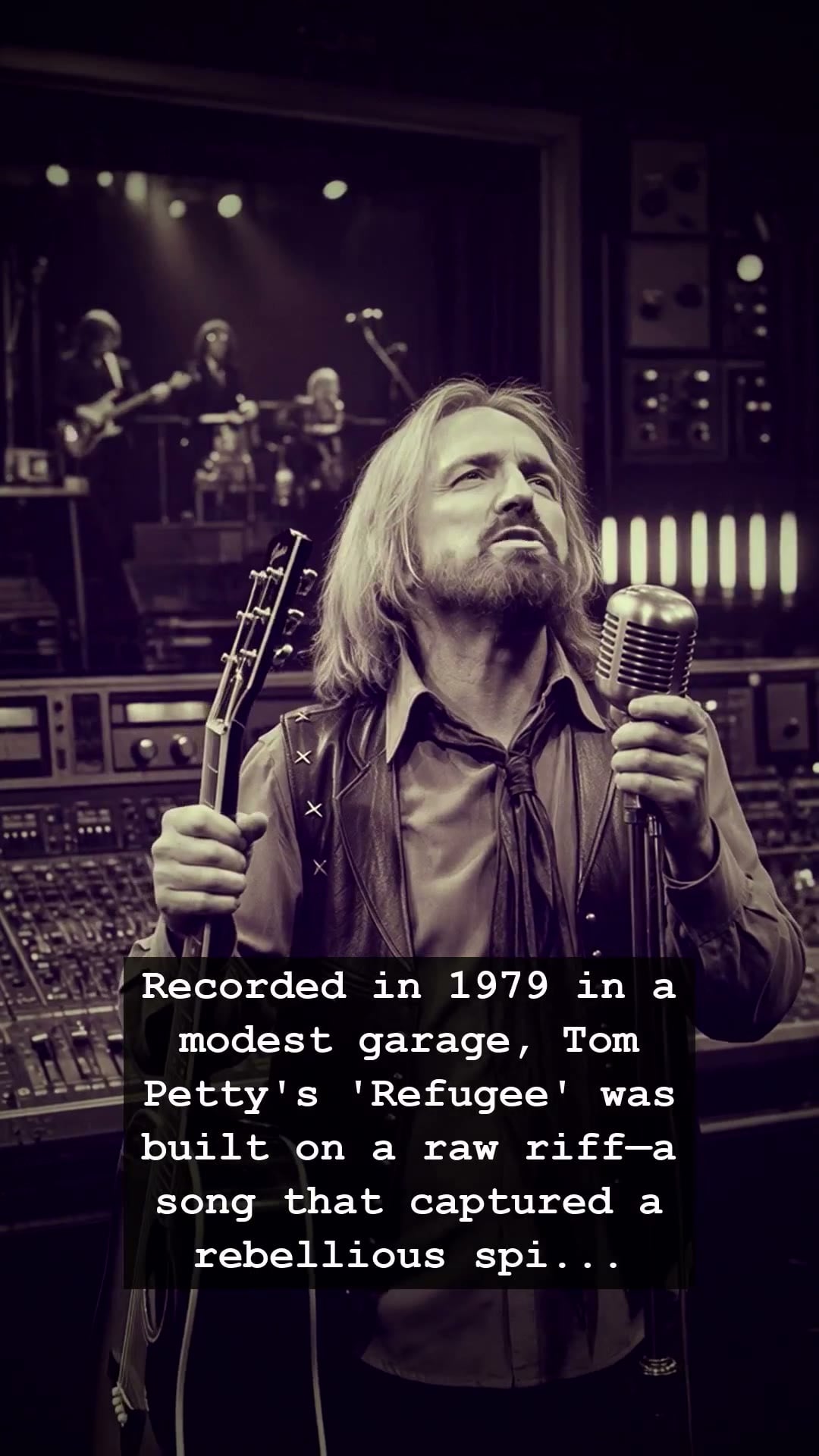
It started not in a polished Los Angeles recording suite, but in a damp, cluttered garage in 1979. The air was thick with the scent of stale cigarettes and the restless ambition of a man who refused to be molded by the industry. Tom Petty, fueled by nothing more than a ragged riff and a bruised ego, was about to capture lightning in a bottle. Most rock anthems are born of calculated marketing, but Refugee was a sonic middle finger to the establishment, a raw declaration of independence that would soon echo from every jukebox across America and eventually define the sound of the era.
In the late 70s, the music industry was obsessed with the disco fever of Studio 54 and the sleek, synthesized pop taking over the burgeoning MTV landscape. Tom Petty and the Heartbreakers felt like outsiders looking in. During the sessions for the Damn the Torpedoes album, the band was embroiled in a bitter, soul-crushing legal battle over their contract. The tension was palpable; the studio was less of a creative sanctuary and more of a pressure cooker. Tom Petty channeled that stifling frustration into the driving, persistent rhythm of the song. Every chord strike in that garage session felt like a defiance of the suits who thought they owned his voice and his future.
There is a visceral quality to the track that remains untouched by time. When you listen to the opening bars of Refugee, you are not just hearing a guitar riff; you are hearing the sound of a man standing his ground. Tom Petty possessed a rare, uncanny ability to translate personal exhaustion into a universal anthem for the weary and the defiant. While his peers were chasing glitz and glamour, he was digging into the dirt of human struggle. That modest garage recording turned into a masterclass in songwriting, stripping away the excesses of the 70s to reveal the core of pure, unadulterated rock and roll energy.
Looking back, the success of the song feels almost inevitable, though it was born from chaos. The track resonated because it was authentic. In an era where corporate labels were churning out manufactured stars, Tom Petty felt real. He was the guy next door with the tangled hair and the weathered denim, singing songs that felt like they were written specifically for the listener. The song transformed the Heartbreakers from struggling road musicians into legends of the American rock canon. It was a turning point that shifted the trajectory of his career from a local favorite to a permanent fixture in the soundtrack of our lives.
Decades later, the legacy of that 1979 garage session still haunts the airwaves with a familiar, electrifying sting. Whether you remember hearing it blaring from a portable Walkman on a summer afternoon or discovering it through the curated nostalgia of today, the song retains its original bite. It serves as a haunting reminder of the grit required to make something that truly lasts. Tom Petty didn’t just record a hit; he etched a piece of his own restless soul into the bedrock of music history. As the final notes fade out, we are left with the echo of a legend who taught us that sometimes, being a refugee is the only way to find your true home in the world of rock.