
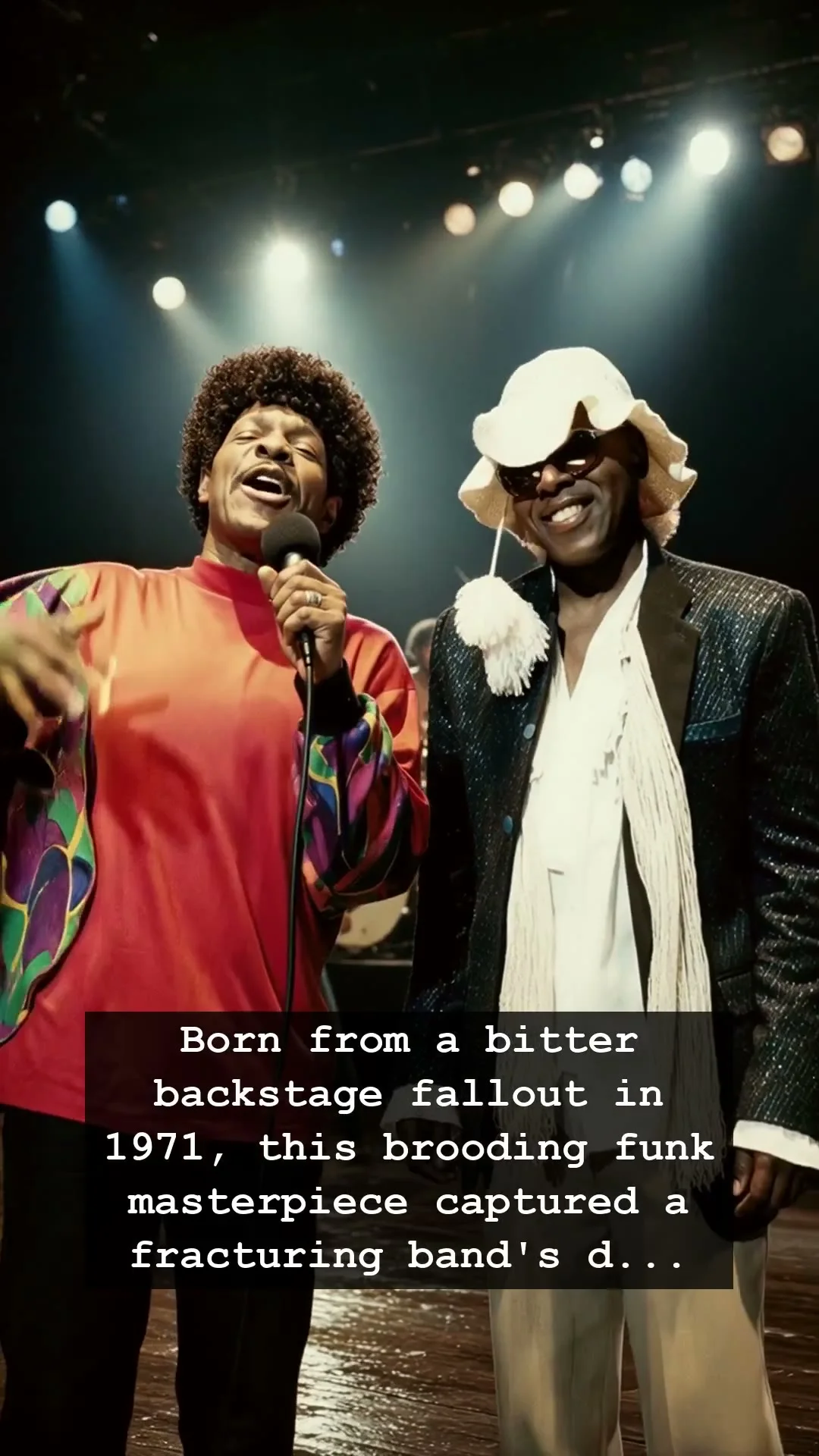
It was 1971, a year when the golden haze of the sixties had finally curdled into a cold, jagged reality. In the high-pressure cooker of a recording studio, a sound was being forged that would define a generation of funk, yet the air in the room was suffocating. Sly and the Family Stone, once the heralds of psychedelic soul and communal harmony, were unraveling at the seams. What resulted was not just an album, but a brooding, sonic diary of a band drowning in their own mythos. Behind the infectious grooves, the band was battling a storm of chemical dependency, ego clashes, and the crushing weight of their own meteoric rise to fame.
The genesis of this dark masterpiece was a bitter backstage fallout that serves as the perfect, melancholic prologue. For Sly Stone, the visionary architect of the group, the studio became a sanctuary and a prison. As the members of Sly and the Family Stone grew increasingly alienated from one another, the music shifted. Gone was the sun-drenched optimism of their Woodstock era. In its place emerged a thick, subterranean layer of funk—a sound that felt like a long, dark walk home after a party that had gone horribly wrong. This wasn’t just music; it was the sound of a brotherhood disintegrating in real-time.
Every track on this record reflects the tension that defined the early seventies. The band was often recording in isolation, with Sly Stone demanding perfectionism that pushed everyone to the brink of collapse. During this period, the vibrant, multi-ethnic, and multi-gender energy that had made them cultural icons was being replaced by a sense of impending doom. The studio walls seemed to trap the paranoia that was circulating in the wider culture, from the fading promise of the hippie movement to the encroaching cynicism of the post-Vietnam era. It was a time when the Jukebox in every local bar was still playing their hits, even as the band itself was effectively already a ghost.
The legacy of this specific moment in the career of Sly and the Family Stone remains haunting. For those who lived through the era of the Walkman and the slow transition from soul to heavy funk, these songs resonate because they feel profoundly honest. They do not hide the fraying edges; they embrace them. The basslines are heavy with a weight that transcends technical skill—they carry the burden of the personal turmoil that fueled them. It is a testament to the band’s genius that they could turn such profound dysfunction into a rhythmic language that the world still speaks today.
Today, we look back at this period of Sly and the Family Stone not just as a cautionary tale, but as a masterpiece born from ruin. It reminds us that some of our most beloved art is forged in the fires of conflict. The funk they captured in 1971 remains a vital, pulsing piece of American history, echoing the dark final days of a group that changed the world before losing themselves. As you listen to these tracks, try to look past the groove and hear the heartbeat of a band walking through the shadows of their own shattered glory.