
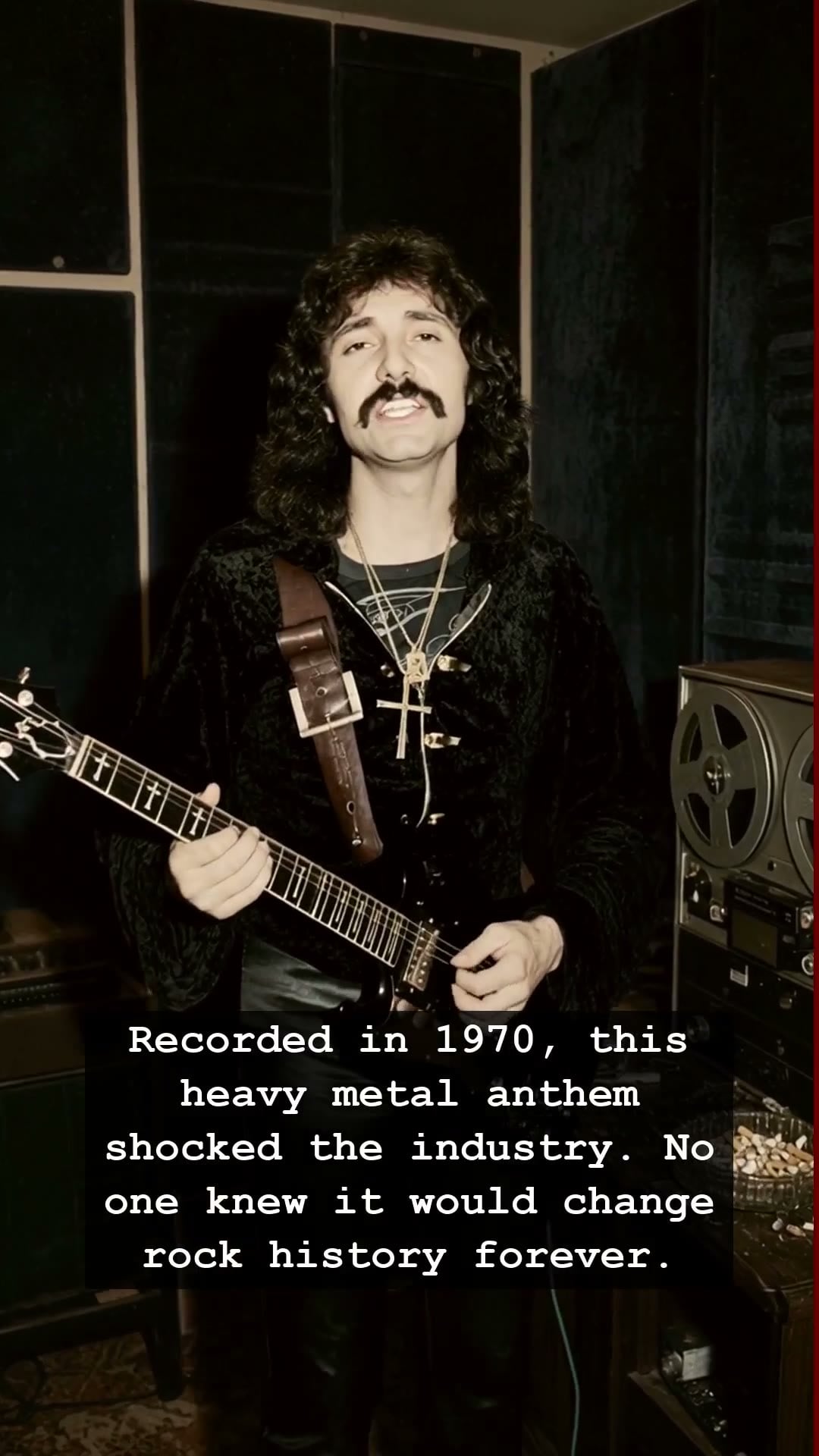
In the cold, industrial sprawl of Birmingham, 1970, the air was thick with the scent of molten metal and broken dreams. Inside a cramped, dimly lit studio, a young guitarist named Tony Iommi was about to change the trajectory of rock history forever. A freak industrial accident had cost him his fingertips, forcing him to craft makeshift prosthetics and down-tune his guitar to reduce string tension. The result was not just a sound; it was an atmosphere—a low, menacing, and crushing sonic weight that would eventually be christened as Heavy Metal. While the rest of the world was still dancing to the fading echoes of the Summer of Love, Tony Iommi was busy constructing the dark, monolithic architecture of a new musical reality.
The anthem that emerged from this gloom was simply titled Paranoid, though it carried the weight of a thousand nightmares. When Tony Iommi hit that opening chord, it felt like the sky was tearing open. Music executives of the era were bewildered, terrified by the sheer aggression and distorted intensity emanating from the amps. They were accustomed to the polished melodies of the radio, not this jagged, obsidian sound that seemed to speak for the disenfranchised. Yet, beneath the surface of the screeching feedback and bone-rattling bass, there was a raw, human fragility that connected with every teenager who felt out of place in a rapidly changing world.
Tony Iommi did not just play the guitar; he commanded it like a blacksmith shaping iron over an anvil. By blending the blues-rock sensibilities of the late sixties with a darker, occult-inspired aesthetic, he created a bridge to a heavier future. It was a time when the Jukebox was dominated by upbeat pop, making the arrival of such a heavy riff feel like a dangerous transgression. The studio walls seemed to shake as they captured the primal energy of the track, unaware that they were documenting the blueprint for every metal band that would follow in the decades to come.
The legacy of that singular moment in 1970 still resonates in the modern era, long after the vinyl records have stopped spinning and the concert halls have dimmed. For those who grew up in the shadow of the seventies, the story of Tony Iommi is more than just musical trivia; it is a testament to the power of resilience. He turned a devastating personal injury into the foundational riff of a global genre, proving that the greatest art often emerges from the deepest wounds. His journey remains a haunting reminder of the grit required to push past the boundaries of the status quo.
Today, when you listen to that distorted, iconic riff, you are not just hearing notes on a page. You are hearing the industrial roar of a decade that refused to be quiet. Whether you first heard it on a scratchy cassette tape or a dusty vinyl LP, the genius of Tony Iommi remains undeniable. As the echoes of that heavy era continue to influence generations of musicians, we are reminded that history is rarely written by those who follow the rules. Sometimes, it is forged in blood, sweat, and the sheer audacity of a man who dared to play louder than the world expected.