
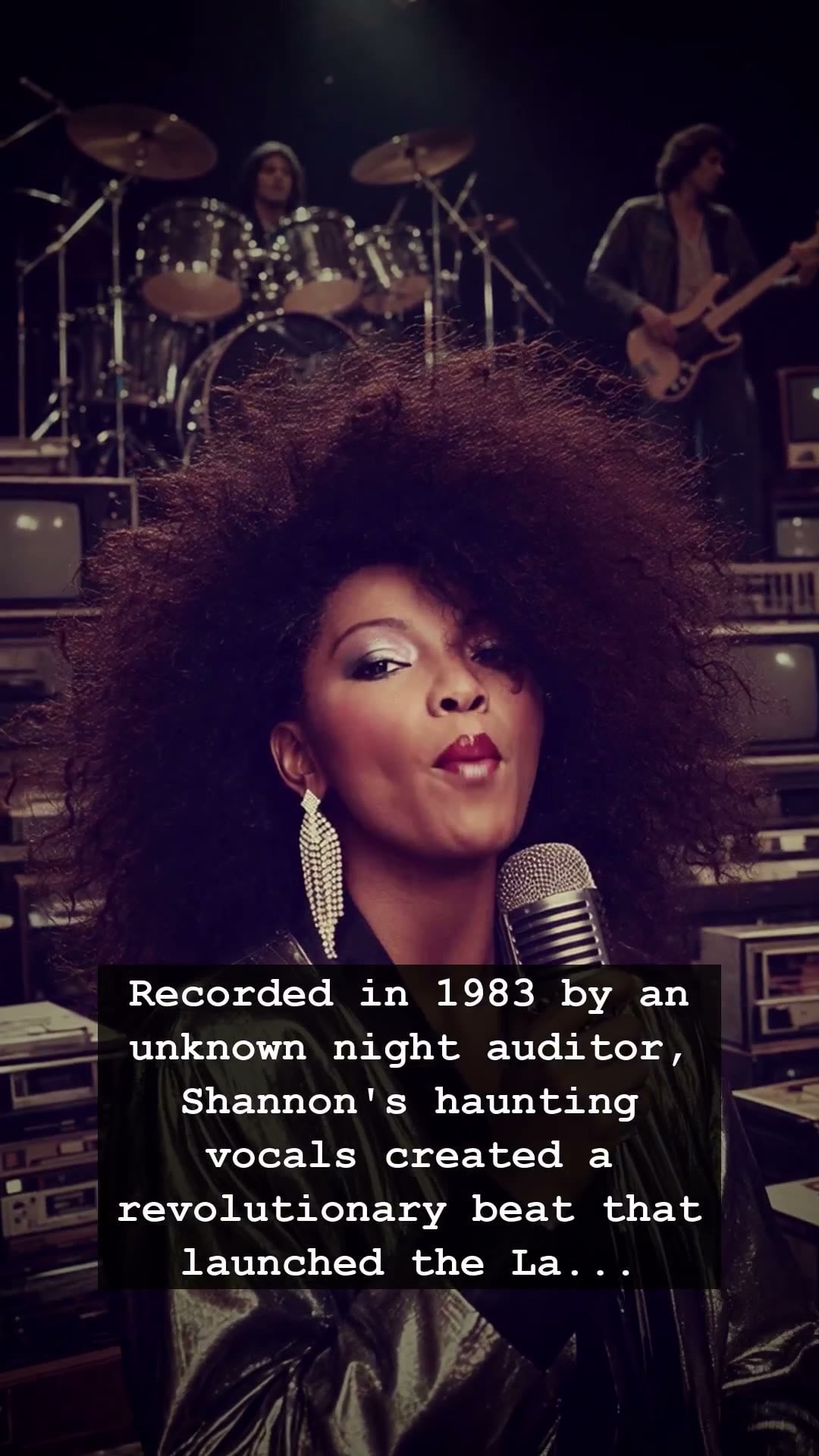
In 1983, the world was obsessed with the synth-pop revolution radiating from MTV, but inside a dim studio, an unknown night auditor was about to change the trajectory of dance music forever. The track was Let the Music Play, and the voice belonging to the mysterious singer Shannon would soon become the haunting, rhythmic heartbeat of a brand-new genre: Latin Freestyle. Before this moment, the airwaves were dominated by disco remnants and rock anthems, yet this singular, hypnotic vocal performance carried a strange, electric energy that felt like the future arriving ahead of schedule.
Shannon, a college student with a soulful edge, was thrust into the spotlight under circumstances that read more like a clandestine experiment than a polished record label launch. The recording session was stark, devoid of the massive orchestras or complex arrangements that usually defined the high-budget pop of the era. Instead, Shannon relied on a jagged, revolutionary beat—a drum machine-driven pulse that was stark, cold, and undeniably addictive. When her vocals layered over that syncopated rhythm, it created a sonic tension that listeners had never experienced on a jukebox or through a set of wired headphones before.
This wasn’t just a hit; it was a cultural shift. The raw, melancholic beauty of Shannon and her performance transformed the sound of urban nightlife. As the song spilled out of nightclubs and into the living rooms of teenagers using their Walkmans to escape the mundane, Latin Freestyle was born. It was the music of the street, defined by its bittersweet lyrics and driving percussion, bridging the gap between the fading disco fever of the late seventies and the digital, synth-heavy landscape that would define the mid-eighties. Shannon became an accidental icon, her voice representing the heartbreak and the hope of an entire generation dancing through their shadows.
The drama, however, lived in the shadows of the booth. While the song became a global phenomenon, the industry was still grappling with how to categorize this new, darker dance sound. Shannon faced the relentless pressure of sudden stardom, navigating a music business that was built on fleeting trends and fragile egos. Despite the meteoric rise, the legacy of her performance remains etched in the history of sound engineering. It was a moment of perfect, accidental brilliance, proving that sometimes the most revolutionary art is captured when the world isn’t watching, by a singer who simply walked into a room and changed everything.
Decades later, when the needle drops on a vinyl copy of her records, the power of those 1983 sessions still resonates with an haunting, timeless quality. Shannon remains the queen of a genre that defied the status quo, reminding us that music history isn’t just written in stadiums, but in the quiet, desperate late-night hours. Whether you were there dancing under the neon lights or are discovering the rhythm for the first time, her voice serves as a bridge to a time when every beat felt like a secret waiting to be told.