
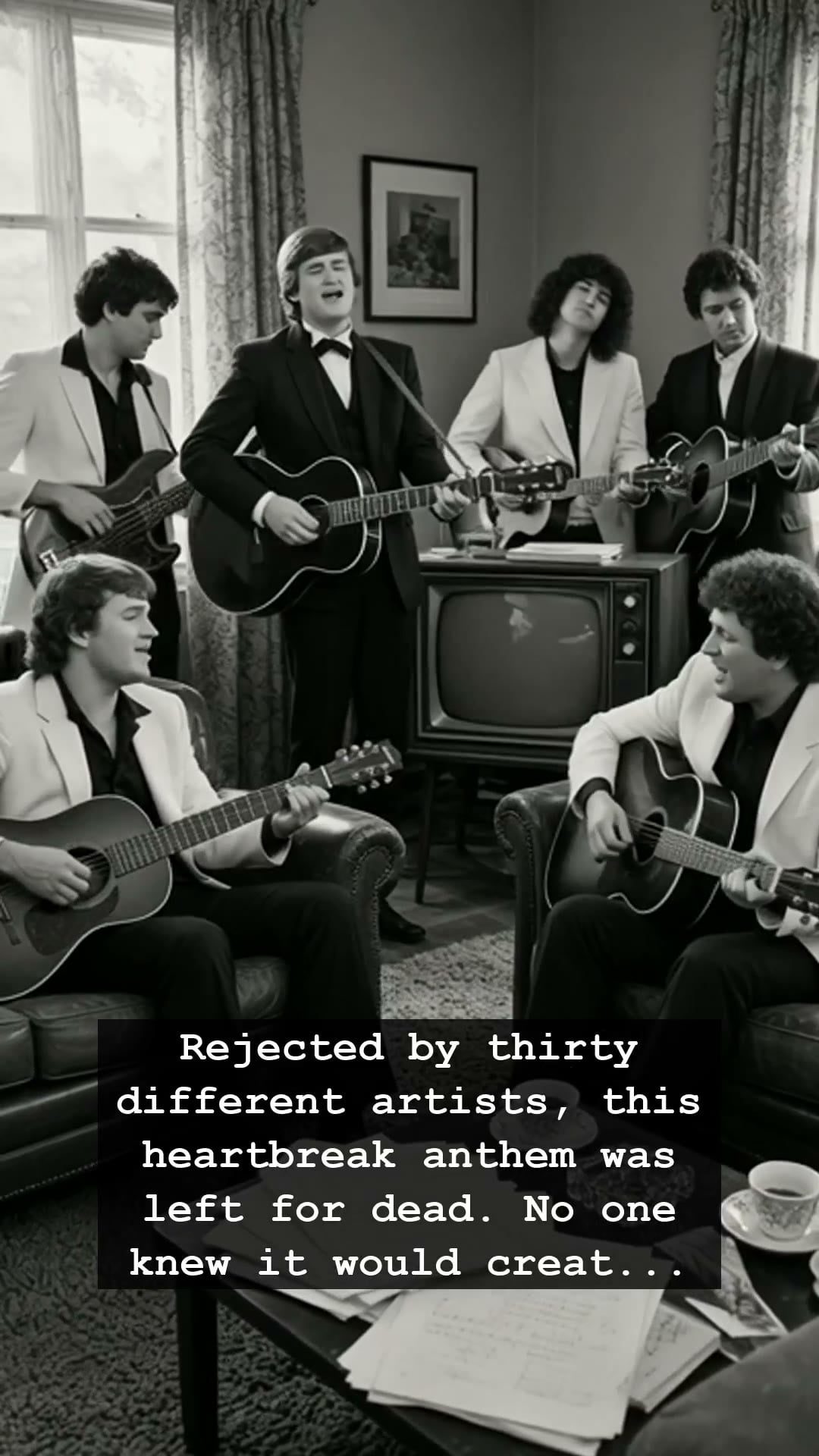
It was 1957, and the airwaves were still crackling with the raw energy of early rock and roll. Thirty different artists had looked at a song called Bye Bye Love and turned their backs, dismissing it as nothing more than a scrap of rejected parchment. In the cutthroat, fast-paced world of the music industry, songs were commodities, and this particular melody was deemed a failure. It sat collecting dust until two brothers from Kentucky, Don and Phil Everly, heard something in those lyrics that no one else could perceive: a perfect, aching vulnerability that defined the teenage experience of the era.
The Everly Brothers were not just singers; they were architects of a new sound. When they stepped into the studio, they brought with them the grit of country roots blended with the burgeoning pulse of the jukebox generation. With their signature tight, blood-harmony vocals, they took a song that had been cast aside and injected it with a haunting, melodic sorrow. When the needle hit the record, the result was pure, shimmering gold. It was a cultural pivot point, proving that a song’s soul is often found in the hands of those who are willing to embrace its pain rather than polish away its rough edges.
The success of Bye Bye Love catapulted The Everly Brothers into the stratosphere, turning them into the face of a decade defined by saddle shoes and transistor radios. Yet, behind the harmonies that sounded like angelic perfection lay a reality far more turbulent. The brothers were navigating a world of constant touring, mounting pressure from record executives, and the suffocating demands of newfound fame. They were the poster boys for the clean-cut rock and roll image, but the isolation of the road and the relentless glare of the spotlight often strained the very fraternal bond that made their music so uniquely captivating.
As the fifties bled into the sixties, the soundscape shifted toward the rebellious roar of the British Invasion and the psychedelic haze of the late sixties, but the influence of The Everly Brothers remained an invisible tether connecting the past to the future. Their vocal arrangements would later become the blueprint for legends like The Beatles and Simon & Garfunkel. It is fascinating to look back at how close the world came to never hearing those harmonies. If it weren’t for the refusal of those thirty artists, the musical landscape of the twentieth century might have been stripped of one of its most iconic vocal signatures.
Today, listening to their music evokes a specific kind of melancholy, a reminder of a time when melody was king and a simple song could capture the complexity of a broken heart. Whether you are a fan of the early rock era or someone just discovering the magic of their sound, it is impossible to ignore the impact The Everly Brothers had on the history of pop music. They took the discarded and the broken, turning it into a legacy that continues to resonate with every new generation. Whenever you spin one of their records, you are hearing more than just a song; you are hearing the sound of a legend being born from the ashes of rejection.