
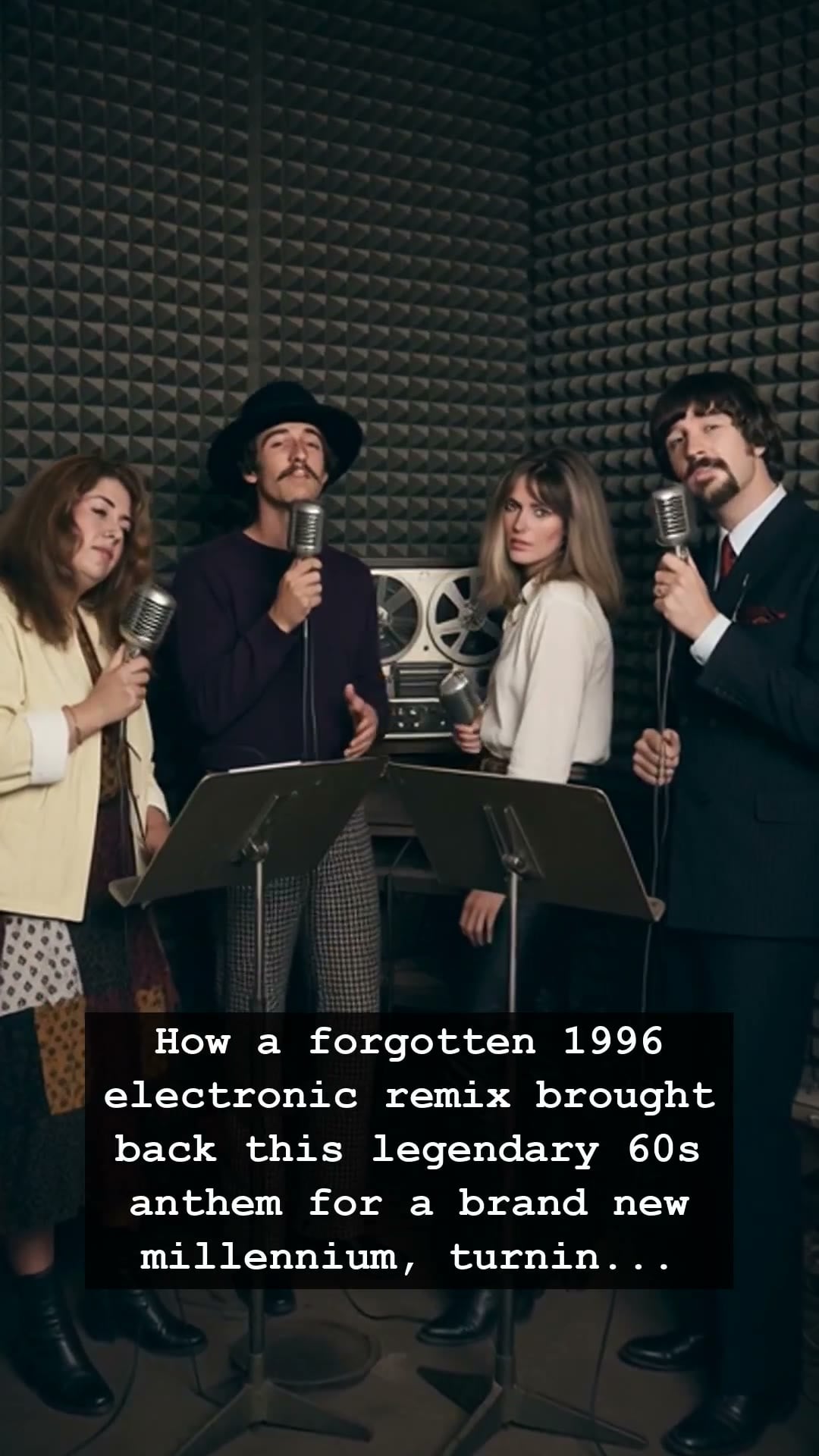
The year was 1965, and the air was thick with the scent of patchouli and the promise of a revolution. In the sun-drenched canyons of California, The Mamas and the Papas were crafting a sound that would define an entire generation. With their soaring, complex vocal harmonies and a dreamy folk-rock aesthetic, they became the architects of the Flower Power era. Songs like California Dreamin’ captured the melancholy of a cold winter against the backdrop of a distant, golden paradise. It was the sound of a decade defined by Woodstock, the communal spirit of Laurel Canyon, and the fragile beauty of a peace movement that seemed, for a brief moment, to be conquering the world.
But the story of The Mamas and the Papas was never just about the sunshine. Beneath those impeccable vocal arrangements lay a tangled web of romantic entanglements, volatile egos, and the crushing weight of sudden fame. John and Michelle Phillips, Denny Doherty, and Mama Cass Elliot lived a life that felt like a Shakespearean tragedy played out on a global stage. The tension within the group was palpable, a stark contrast to the effortless harmony they projected on record. They were pioneers, certainly, but they were also victims of the very excess that defined the late sixties, moving from the intimate clubs of the Village to the blinding lights of international stardom.
Fast forward to 1996, a year where the Walkman was still a staple of every teenager’s pocket and the rave scene was bubbling up from the underground. In a move that shocked purists and delighted a new generation of dance floor devotees, the ethereal, haunting melody of California Dreamin’ was dragged out of the archives and injected with a pulsing, high-energy electronic beat. This forgotten remix bridge the chasm between two vastly different eras. Suddenly, the song that once defined the introspective folk movement was being blasted through the speakers of global super-clubs, finding a new life under the glow of neon strobes.
It was a strange, beautiful resurrection. That pulsing remix transformed the melancholic yearning of the original track into a rhythmic anthem of the nineties. It proved that while the technology of music changes—from the warm crackle of a Jukebox to the digital precision of a club mix—the core of a masterpiece remains immortal. Hearing that iconic flute solo drop over a thumping bassline wasn’t just a gimmick; it was a testament to the fact that The Mamas and the Papas had captured a universal feeling of longing that transcended time and genre.
Today, we look back at this collision of eras with a sense of profound wonder. Whether you remember the song from a dusty vinyl record in your father’s attic or discovered it through that surprise nineties dance craze, the magic remains unchanged. The Mamas and the Papas left us with a legacy that refuses to stay buried in the past. It serves as a reminder that great art is never truly finished; it simply waits for the next generation to find a new way to listen. Do you remember where you were when those familiar harmonies first pulled you in?