
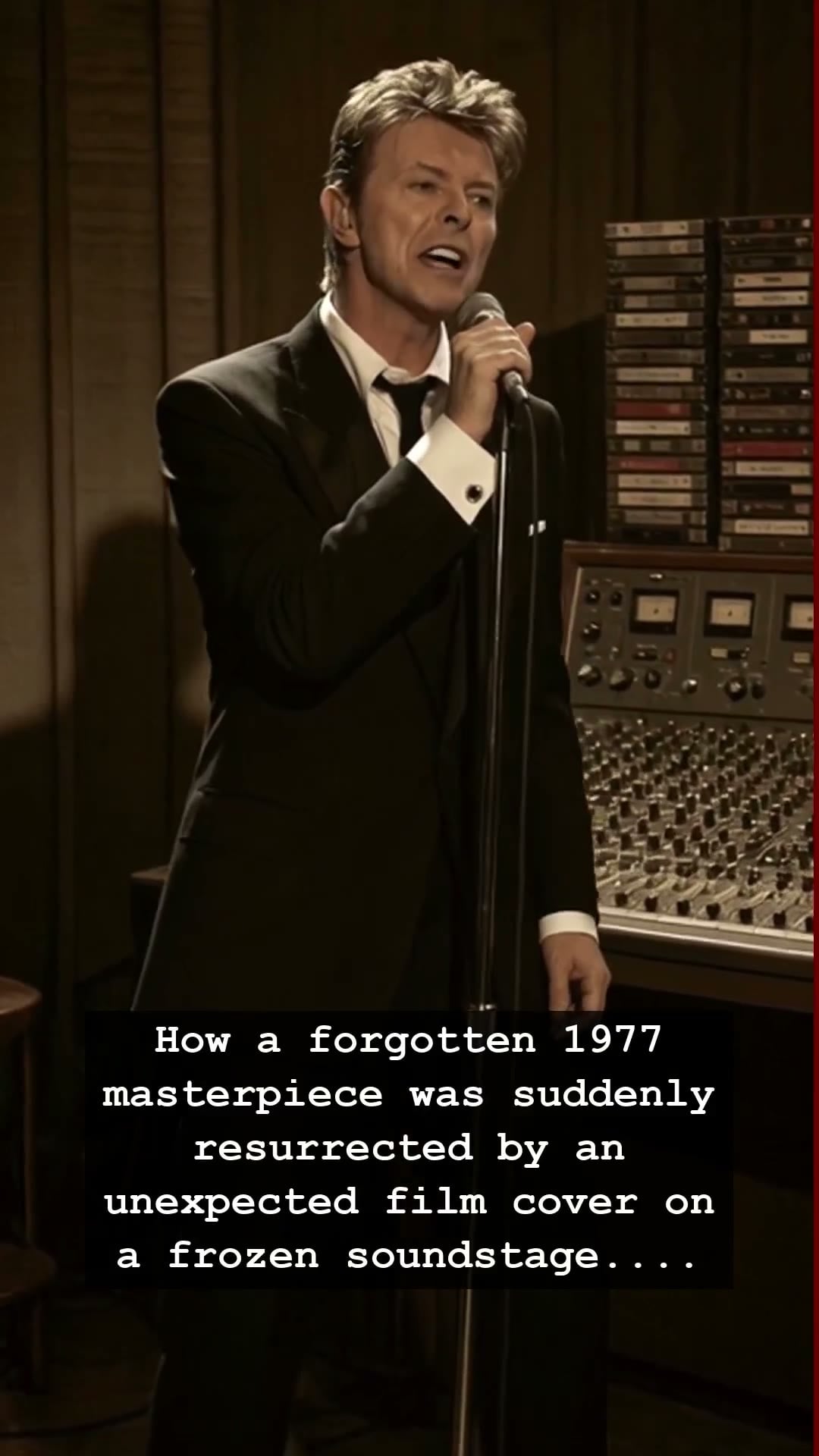
It was 1996, and the air was thick with the scent of stagnant cigarette smoke and the restless energy of the burgeoning alternative rock scene. On a cold, frozen soundstage that felt lightyears away from the glamour of the seventies, a haunting performance began to unfold. To the uninitiated, it was just another melancholy track echoing through the rafters, but to those who knew, it was a resurrection. A forgotten masterpiece from 1977 had crawled out of the shadows, breathing new life into a timeless anthem that had almost been lost to the sands of time. The song was Heroes, and the man who birthed it, David Bowie, had just witnessed his legacy transcend the decade of disco and glitter to define a brand new generation.
Rewind to 1977, a year when David Bowie was seeking solace in the grey, divided landscape of Berlin. He was a man fleeing his own ghosts, stripping away the excess of his Ziggy Stardust persona to find something raw, mechanical, and deeply human. In the legendary Hansa Studios, situated perilously close to the Berlin Wall, he crafted an anthem of defiance. Heroes was not just a song; it was a desperate, hopeful scream against the impending collapse of a world caught in the crosshairs of the Cold War. It was the sound of romance blossoming in the shadow of sniper towers, a testament to the idea that even for just one day, we could be something more than the sum of our insecurities.
Yet, as the years marched on and the shiny aesthetic of MTV dominated the eighties, the jagged, experimental spirit of the Berlin trilogy began to fade into the background. While David Bowie continued to evolve, shape-shifting through the eras of pop dominance, the specific, gritty sincerity of 1977 felt like a relic of a dying world. It existed in the dusty bins of record shops, played on aging turntables by those who remembered the grit of the late seventies. That was until that pivotal moment in 1996, where a haunting cover brought the weight of those lyrics back to the forefront of cultural consciousness, reminding an MTV-obsessed youth that greatness never truly expires.
What makes the enduring appeal of David Bowie so intoxicating is his refusal to stay static. Whether he was channeling the soul of Philly or the avant-garde spirit of the German underground, he turned music into a visceral experience. That frozen soundstage performance in the mid-nineties proved that the emotional core of his work was indestructible. It bridged the gap between the original, analog soul of the seventies and the distorted, angsty soundscape of nineties alternative rock. It was a bridge built of feedback, synthesis, and the sheer audacity of an artist who dared to demand we be heroes in the face of oblivion.
Today, we look back at David Bowie not just as a rock star, but as a map-maker for the lost. When we hear those opening chords, we aren’t just listening to a melody; we are transported back to the cold Berlin air, the feeling of a Walkman pressed against our ears, and the realization that music can outlast even the darkest of times. The legacy of 1977 persists because it feels like a truth that refuses to be ignored. Perhaps it is time to dig out those old records, blow the dust off the sleeve, and let the master remind you once more why he remains our guiding star.