
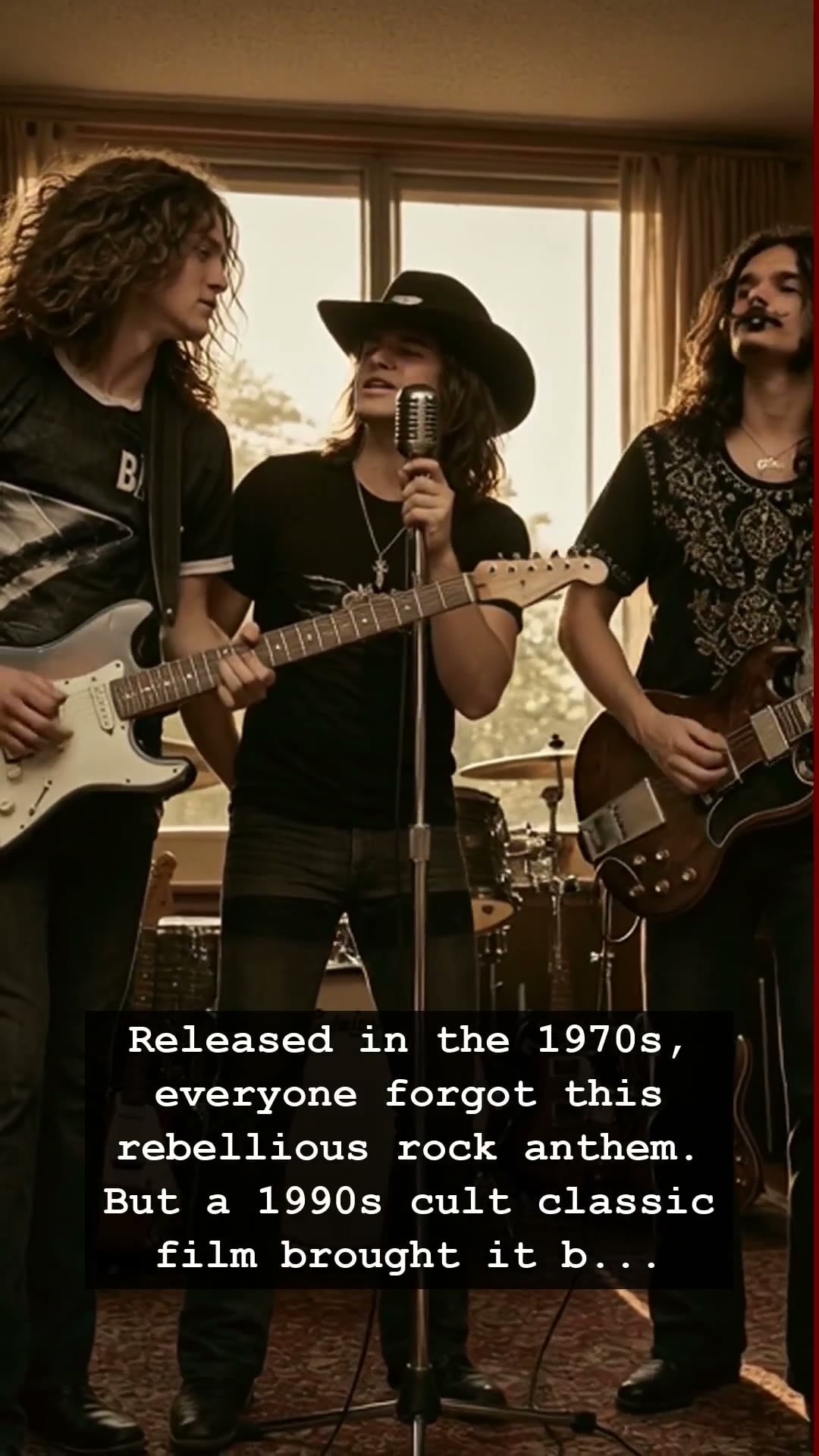
It was 1973, and the air was thick with the scent of cheap beer and motor oil. In the heart of the American South, a band of rebellious outsiders was forging a sound that defied the polished constraints of radio hits. Lynyrd Skynyrd was not just a group of musicians; they were a raw, unvarnished expression of a generation looking for an identity beyond the flower-power idealism of the sixties. When they unleashed the scorching, ten-minute epic Free Bird, it was more than just a song. It was a manifesto of freedom, defined by a blistering guitar solo that pushed human dexterity to its absolute, sweating limit. Yet, for all its blistering intensity, the song spent years drifting into the hazy margins of musical history, nearly forgotten by the mainstream as the glitz of disco began to dominate the airwaves.
For decades, the legacy of Lynyrd Skynyrd remained locked in a time capsule, waiting for the right moment to reclaim its throne. The band had faced unspeakable tragedy—a plane crash that silenced some of the most gifted voices of the era—and for a long time, it felt as though the band’s fire had flickered out forever. The seventies had passed, the MTV generation was ushering in a new neon aesthetic, and the grit of Southern rock was tucked away in dusty record crates. The song that once roared through smoky concert halls and backyard keg parties had become a deep cut, familiar only to the die-hard purists who still clung to their worn-out vinyl copies.
Then came the nineties. In a landscape dominated by grunge and pop, a cult classic film decided to pull Free Bird back from the shadows. As the final act of that movie unfolded, the unmistakable, soaring slide guitar began to echo through the theater, and suddenly, the past collided with the present. It was a cinematic resurrection that sent a jolt through a new generation who had never stood in the front row of a Southern rock concert. Overnight, the myth was reborn, and Lynyrd Skynyrd was no longer just a memory of the seventies—they were an immortal legend once again.
Why does this anthem still resonate with such visceral power today? Perhaps because Free Bird captures the universal ache of the restless soul. It speaks to anyone who has ever felt trapped by their surroundings, longing to take flight into the unknown. When that guitar solo kicks in, it is not just music; it is the sound of emotional liberation. Even in an era of digital perfection and synthesizers, the raw, bleeding-finger honesty of the original recording stands as a testament to what happens when human spirit meets wood and wire.
Whether you heard it on a scratchy jukebox in a roadside diner or discovered it through the silver screen, the story of Lynyrd Skynyrd remains a powerful reminder of the endurance of rock and roll. It is a tale of tragedy, resilience, and the strange, cyclical nature of fame. As the final notes of the song fade into the distance, you can almost hear the ghosts of the past cheering for the return of their masterpiece. Take a moment today to turn up the volume and let the legend fly again.