
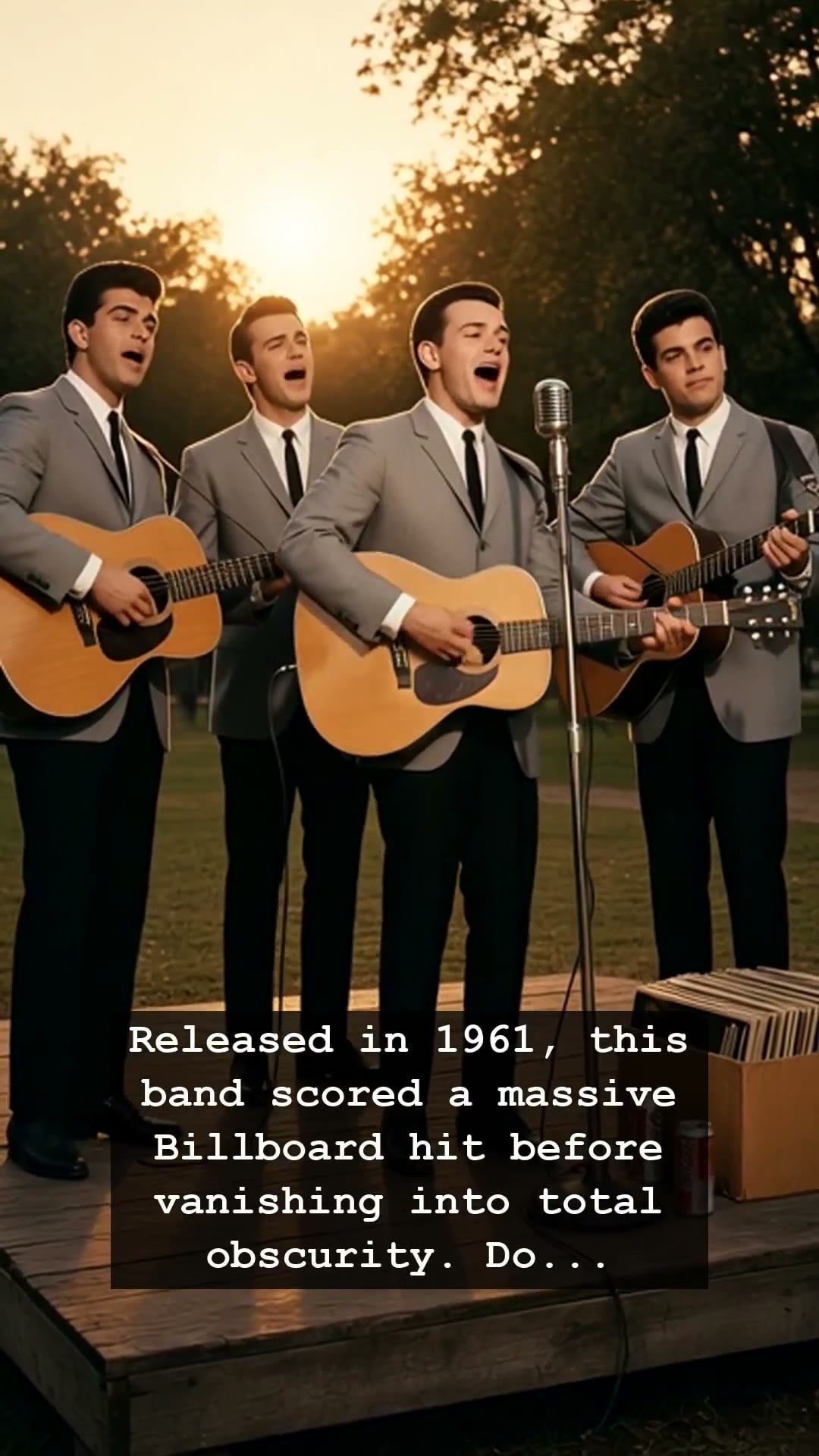
Picture a humid summer evening in 1961. The air is thick with the scent of popcorn and gasoline, the glow of a nearby jukebox illuminates a corner booth, and the radio is playing a melody so infectious it feels like it has always existed. This was the golden age of Doo-wop, a time when a group of teenagers could harmonize their way from a Bronx street corner to the top of the Billboard charts in a heartbeat. Among them were The Regents, a band that captured lightning in a bottle with their smash hit Barbara-Ann. For a brief, shimmering moment, they were the kings of the world, but the story of The Regents is not one of sustained glory. It is a cautionary tale of how quickly the spotlight can turn into a shadow.
Everything changed when Barbara-Ann hit the airwaves. It was pure, unfiltered joy—a quintessential slice of American pop culture that defined an era of greasers, soda fountains, and innocence. The song soared to number 13 on the Billboard Hot 100, a massive achievement for an unknown group from New York. Fans across the nation were captivated by those crisp, interlocking vocal harmonies. Yet, behind the scenes, the foundation of The Regents was already cracking. Success did not bring them closer; it acted as a catalyst for internal friction that no amount of radio play could soothe.
While the public was dancing to the catchy rhythm, the members of The Regents were locked in a cycle of ego clashes, business disputes, and the heavy weight of sudden expectations. In the music industry of the early sixties, the pressure to replicate a hit could break even the most seasoned professionals, let alone a group of young men who were barely out of their teens. The harmony they produced on record stood in stark contrast to the discord within the studio. Before the world could truly learn their names or see them evolve, the group imploded.
They vanished into total obscurity almost as quickly as they had arrived. There were no long-term tours or multi-album legacies; just one golden record and a sudden, silent exit from the limelight. For decades, The Regents became a footnote in the sprawling history of rock and roll, a ghost in the machine of the Billboard archives. It is a poignant reminder that for every massive icon that emerged from the era of Woodstock and the British Invasion, there were dozens of talented artists who were swallowed whole by the industry’s ruthless machinery.
Today, when we hear the familiar opening chords of their masterpiece, it serves as a time capsule. It transports us back to a world of transistor radios and Walkman dreams, reminding us of the fragility of fame. The Regents may have faded from the public consciousness, but their contribution to the sound of 1961 remains a testament to the brief, beautiful fire of youth. Sometimes, the most haunting melodies are the ones left behind by the stars who burned out before they ever truly got the chance to shine.