
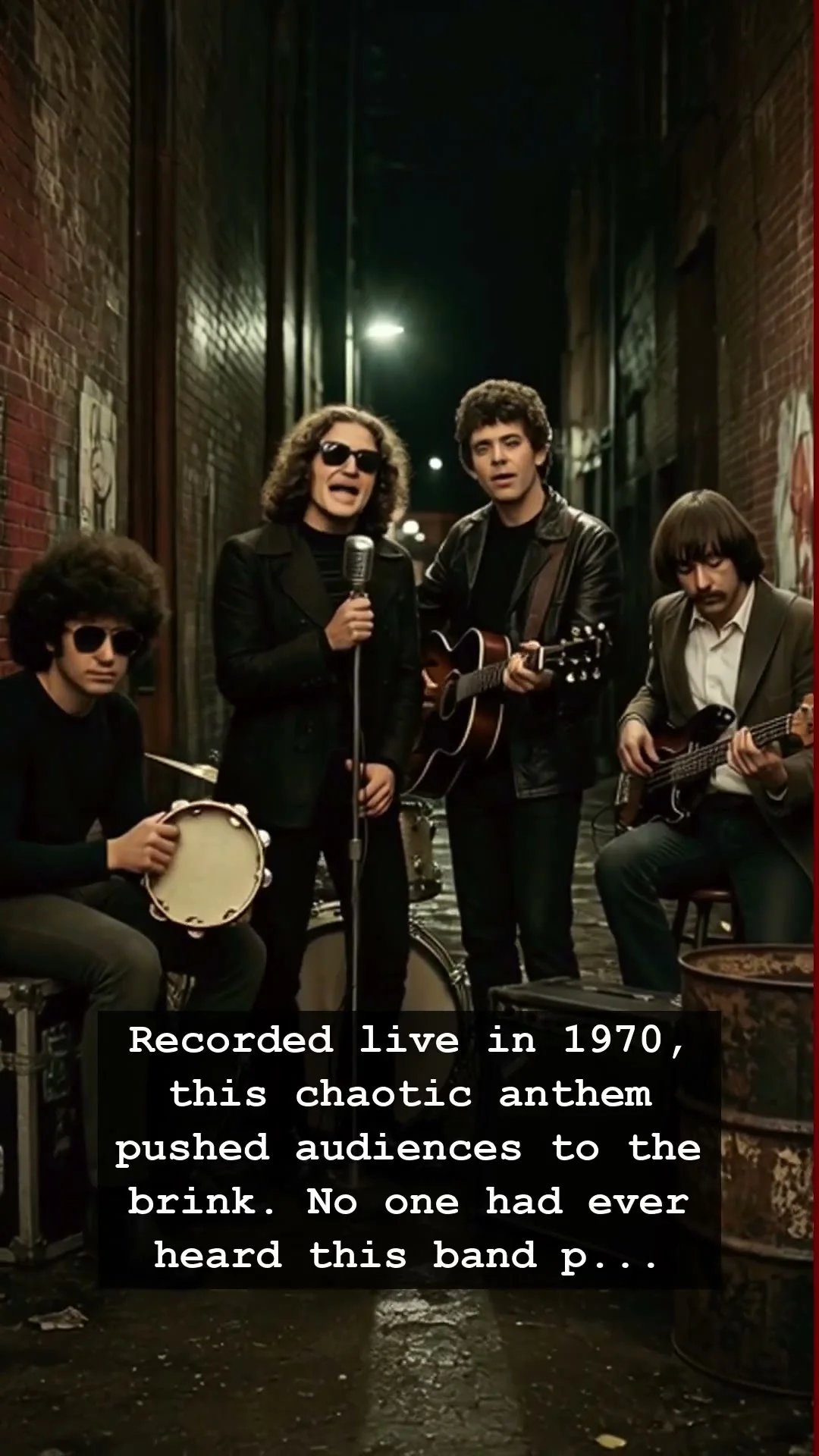
The year was 1970. The place was Max’s Kansas City, a gritty, smoke-filled sanctuary in New York where the lines between art, excess, and madness were perpetually blurred. If you were lucky enough to be in that room, you didn’t just hear music; you witnessed a sonic demolition. The Velvet Underground, Lou Reed’s enigmatic experiment in avant-garde rock, was mid-residency, and the energy was reaching a fever pitch that felt less like a concert and more like a nervous breakdown captured on magnetic tape. As the band tore into an improvised anthem, the air inside the club grew thick, suffocating, and electric, pushing the audience to the very edge of sensory overload.
It is hard to explain to the modern listener, raised on the sterile precision of digital production, just how dangerous The Velvet Underground felt in 1970. They were not playing for the charts or the burgeoning stadium crowds that would eventually define the era of arena rock. They were playing for the shadows. Lou Reed, alongside the rest of the band, stripped away the polite veneer of rock and roll to reveal something jagged, raw, and unapologetically real. This wasn’t the polished Motown sound or the hopeful optimism of Woodstock; it was the dark, cynical heartbeat of the city after the lights went out.
The recordings from that legendary 1970 residency remain a testament to a band teetering on the brink of total combustion. There is a palpable tension in every note, a sense that the music might collapse under its own weight at any second. This was the era of the Walkman and the jukebox, but the songs The Velvet Underground were crafting were meant for something else—something more visceral. They were exploring the fringes of human experience, dealing in themes of addiction, alienation, and the desperate search for identity in a cold world, all while drowning their listeners in feedback and hypnotic, untamed rhythms.
Why does this moment still resonate so deeply decades later? Because The Velvet Underground was the ultimate precursor to the punk and alternative movements that would follow. They proved that you didn’t need to be technically flawless to change the world; you only needed to be brave enough to be dangerous. In those chaotic moments at Max’s, they redefined what an anthem could be, transforming a simple stage performance into a piece of confrontational art. It was a time when rock and roll was allowed to be ugly, complicated, and deeply human.
Today, we look back at those recordings not just as music, but as relics of a time when the boundary between the performer and the audience was dangerously thin. The Velvet Underground reminds us that true art often lives in the cracks and the chaos. If you close your eyes and listen to the frantic interplay of those 1970 sessions, you can almost smell the cigarette smoke and feel the desperation of a New York night that never truly ended. It serves as a haunting, timeless invitation to embrace the beautiful, messy edges of your own story.