
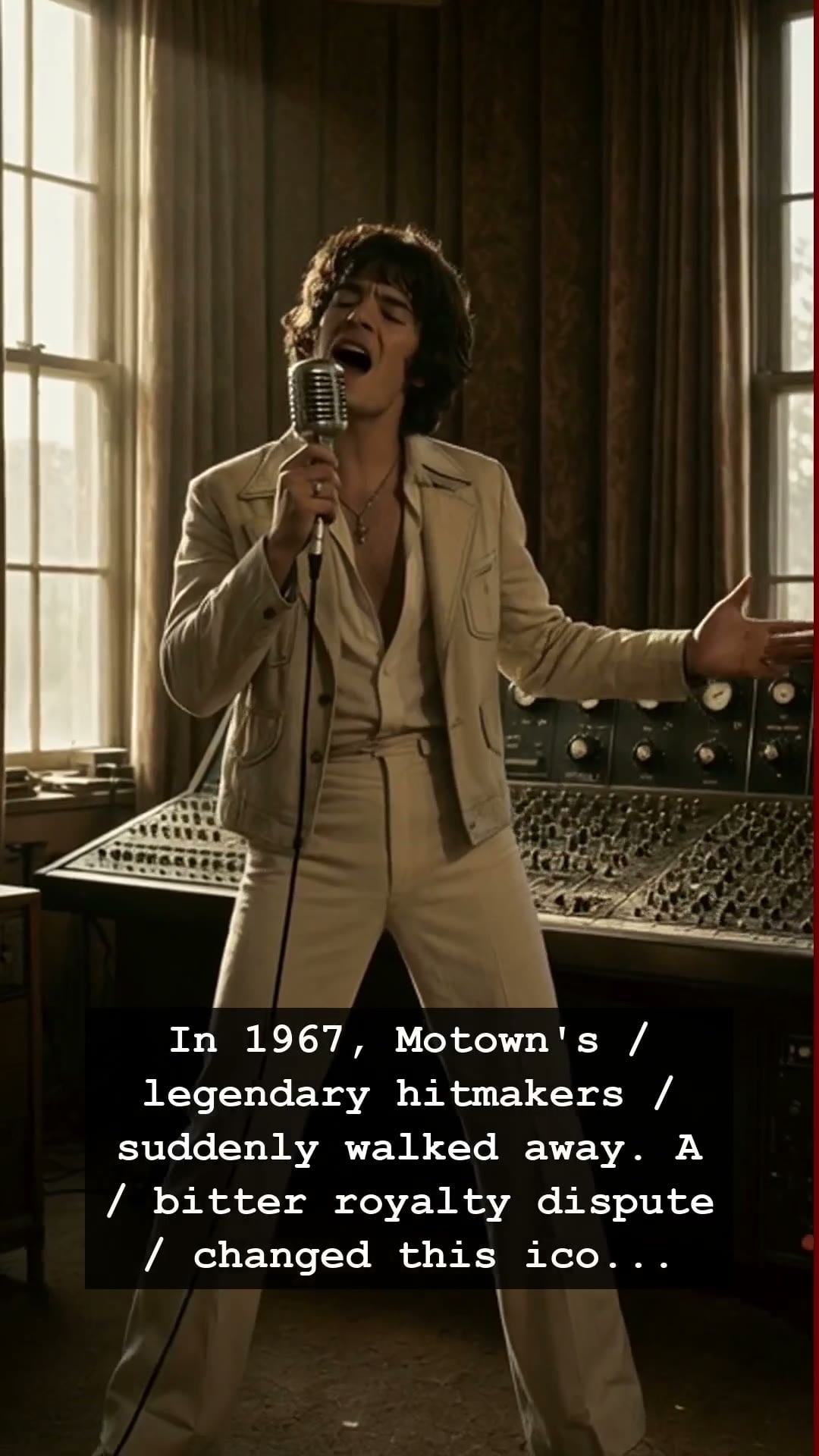
The year was 1967, and the airwaves across America were practically shimmering with the golden touch of the Motown sound. From the grainy speakers of every neighborhood jukebox to the crisp clarity of the burgeoning transistor radio, the music was synonymous with one unstoppable force: Holland-Dozier-Holland. This songwriting and production trio was the secret alchemy behind the hits that defined a generation. Yet, beneath the polished harmonies and the rhythmic perfection of The Supremes and The Four Tops, a storm was brewing that would leave the Motown empire reeling. The hit factory did not just slow down; it shattered, leaving a silence that marked the end of an unparalleled era of musical magic.
The dynamic of Holland-Dozier-Holland—Brian Holland, Lamont Dozier, and Eddie Holland—was a rare collision of genius. They were not merely writing songs; they were crafting the architectural blueprints of 1960s pop culture. Every beat, every bridge, and every hook was designed to be immortal. However, as their influence soared, the friction regarding royalties and creative control became impossible to ignore. In the high-stakes world of Berry Gordy’s Hitsville U.S.A., power was as concentrated as the talent, and when Holland-Dozier-Holland demanded their fair share of the profits they helped generate, the resulting conflict was explosive. It was a classic clash of artistic vision against corporate hegemony, a drama that played out behind closed doors long before it became a legend in the history of music.
When the trio finally walked away in 1967, the shockwaves were felt from the bustling streets of Detroit to the executive offices in Los Angeles. The departure was sudden, bitter, and absolute. They left behind a trail of unfinished tracks and a void that felt like a missing heartbeat in the American soundscape. For the fans who grew up listening to these songs on their Walkmans or spinning them at parties under the soft glow of spinning lights, the news was devastating. It was a reminder that even the most beautiful melodies were often born from intense struggle, and that the legends we admire are human beings driven by the same desires and conflicts as anyone else.
The legacy of Holland-Dozier-Holland remains one of the most compelling narratives in pop history. They didn’t just walk away from a record label; they walked away from a cultural phenomenon they helped create, effectively changing the trajectory of Motown forever. Looking back, their departure serves as a poignant reminder of the volatility of fame and the fragility of creative partnerships. We still listen to those records today, not just for the nostalgia, but because the craftsmanship of Holland-Dozier-Holland is truly timeless. They captured the soul of a decade and distilled it into songs that still resonate with us today, echoing in our memories like a favorite refrain that never quite fades away.