
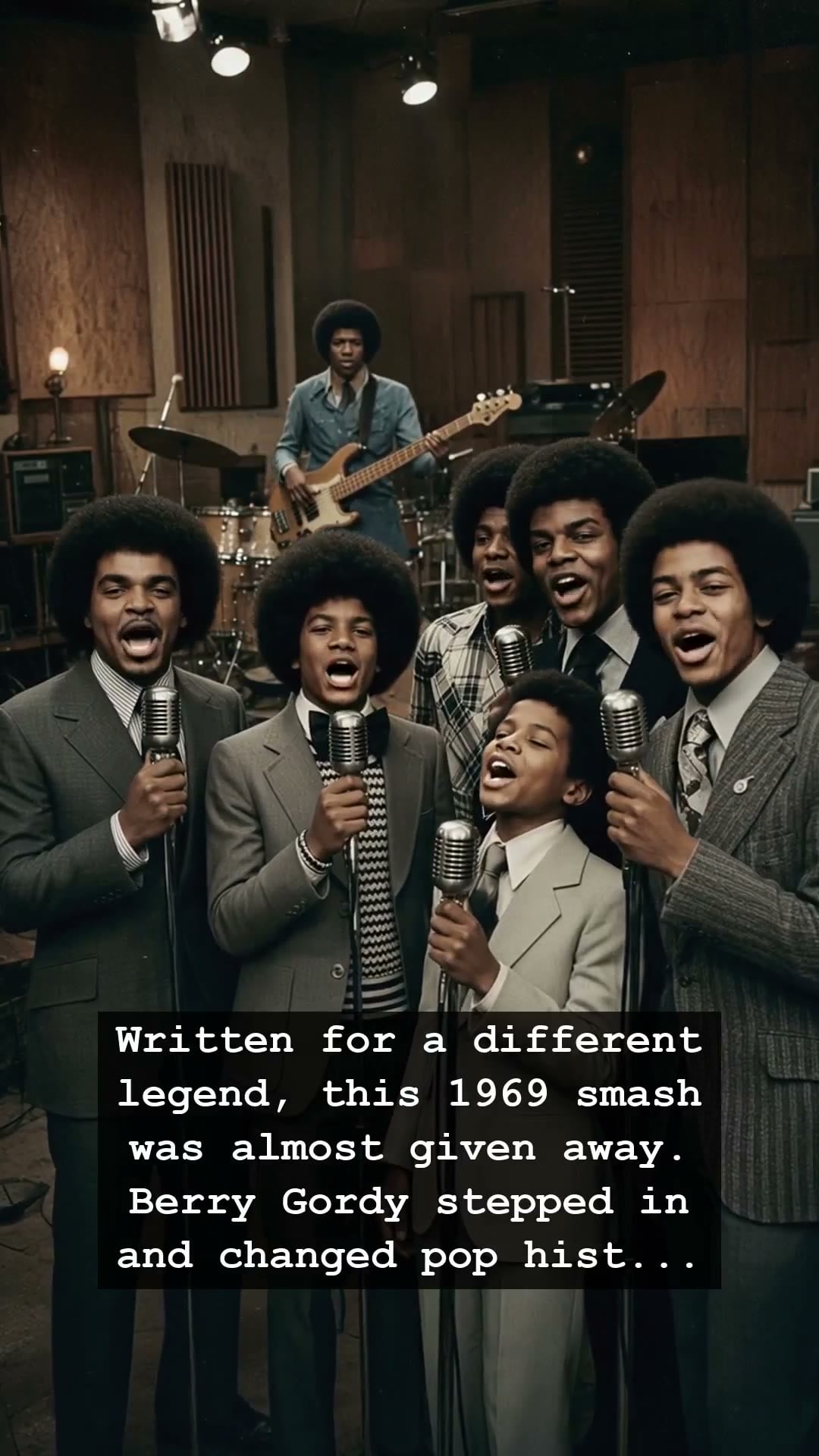
It was 1969, and the air in Detroit was thick with the scent of competition and the frantic, electric energy of the Motown hit factory. In the cramped, smoke-filled corridors of Hitsville U.S.A., a song was born that would eventually redefine the sound of a generation. But before it became the anthem that launched a global pop dynasty, this track was never intended for five brothers from Gary, Indiana. It was a secret weapon originally destined for the soulful, gravel-voiced powerhouse Gladys Knight or perhaps the sophisticated elegance of Diana Ross. The groove was tight, the bassline was infectious, and the chorus was pure, unadulterated sunshine. Yet, in a twist of fate that changed the trajectory of music history, label boss Berry Gordy heard the demo and made a decision that would send shockwaves through the industry.
Berry Gordy, the architect of the Motown sound, possessed an uncanny instinct for what would ignite the charts. When he realized that this particular song, I Want You Back, was sitting in the wrong hands, he snatched it away. He saw potential in the young, jittery, yet immensely talented Jackson 5. At the time, they were still unproven newcomers, performing in gritty lounges and local talent shows, a far cry from the glittering lights of national superstardom. By handing this polished, sophisticated track to the Jackson 5, Gordy wasn’t just giving them a song; he was placing a crown on a young boy named Michael, whose voice carried a maturity and desperation far beyond his eleven years.
When the record finally hit the airwaves, it didn’t just climb the charts; it exploded. The rhythmic punch of the opening piano notes followed by that iconic, dancing bassline became the soundtrack to a new era. It was the birth of bubblegum soul, a sound that captured the innocence of youth while maintaining the rhythmic complexity that adult radio stations craved. Suddenly, the Jackson 5 were everywhere—from the crackling speakers of suburban Walkmans to the loud, communal jukeboxes in diners across the country. They represented a transition in American music, where the raw, gospel-infused roots of R&B were polished into a glittering, high-energy pop spectacle that transcended racial and generational boundaries.
Behind the scenes, the pressure on the Jackson 5 was immense. The rigorous rehearsals, the demanding tour schedules, and the watchful eye of an industry that treats legends as commodities were all part of the steep price of fame. Yet, in that studio session, there was a fleeting, magical purity. You can hear it in the way the brothers harmonize, a blend of youthful enthusiasm and professional precision that defined the Motown era. It was a moment of perfect synchronicity where artistry, ambition, and industry power collided to create something that would outlast the decade.
Even today, listening to the opening bars of that track brings back the vivid nostalgia of a time when music felt like a revolution. The story of how the Jackson 5 secured their breakout hit remains one of the most compelling narratives in pop music. It serves as a reminder that behind every legendary song lies a web of accidents, bold decisions, and the unyielding drive of those who refuse to stay in the shadows. As we look back at the golden age of the late sixties, it is impossible to ignore the impact these brothers had, forever changing how we experience the joy of a perfect pop song.