
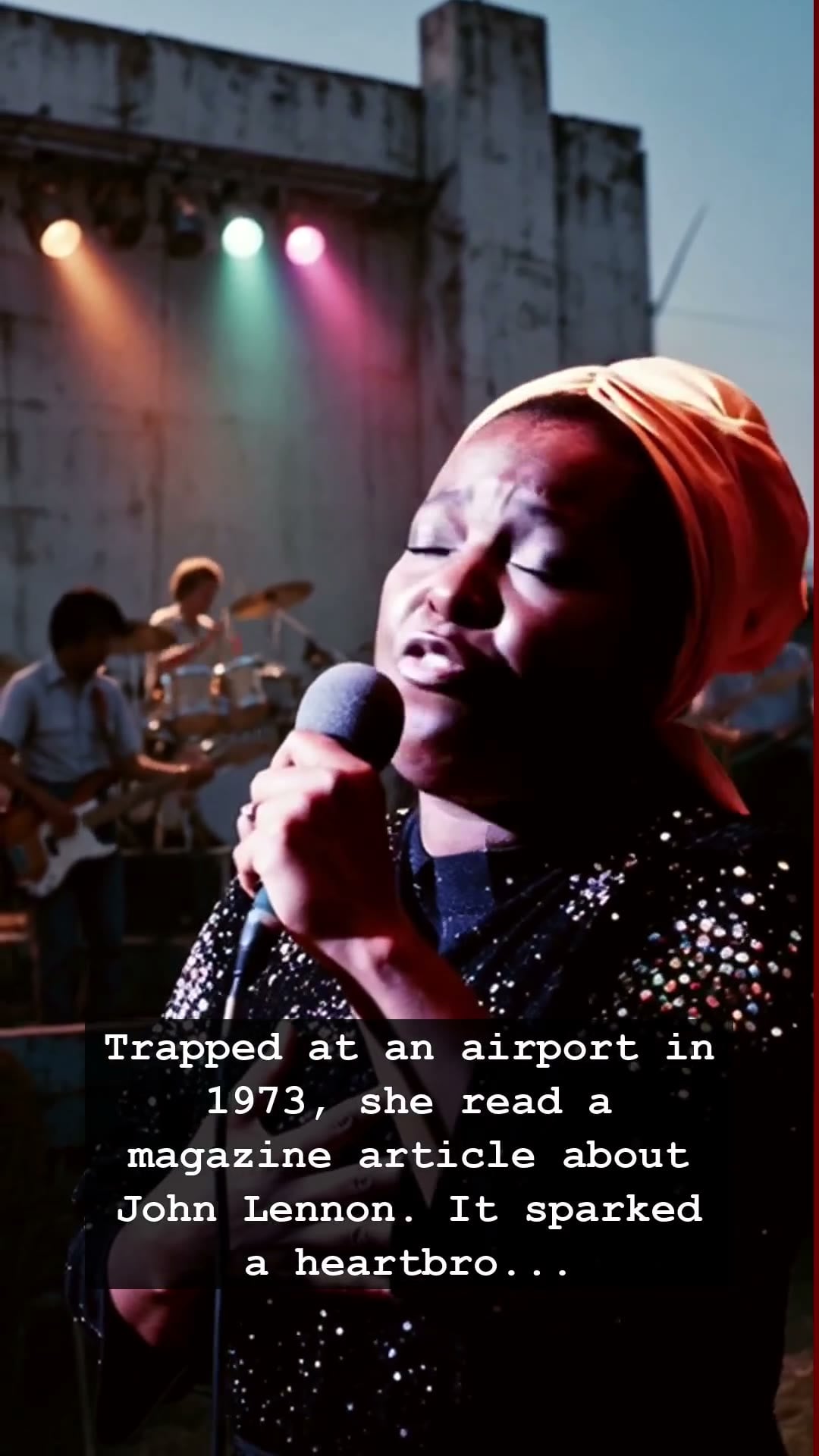
The year was 1973. The air was thick with the scent of jet fuel and the low hum of terminal chatter as Roberta Flack sat stranded at an airport, her patience wearing thin. In that era, before the convenience of digital playlists or the constant distraction of a smartphone, travelers relied on dog-eared magazines to pass the time. As she flipped through the glossy pages, her eyes landed on a piece about the enigmatic John Lennon. What she read sparked a visceral, haunting reaction that would soon coalesce into a song destined to define a generation. It was a moment of profound artistic vulnerability, transforming a routine delay into the genesis of one of the most enduring soul masterpieces in music history.
That masterpiece was Killing Me Softly With His Song. While many listeners naturally assumed the lyrics were a literal autobiography of Roberta Flack, the reality was rooted in the raw, observational brilliance of songwriter Lori Lieberman, who had been moved to tears after watching Don McLean perform live. Yet, it was the soulful, velvety delivery of Roberta Flack that imbued the melody with a ghostly, intimate weight. When Flack heard the track, she knew she had to claim it as her own. Her interpretation didn’t just sing the words; it channeled the collective loneliness of an era defined by the aftermath of the cultural explosions of the sixties and the lingering melancholy of the early seventies.
This was the age of the jukebox and the high-fidelity turntable, a time when a single soul-stirring track could define the mood of an entire late-night lounge or a dimly lit bedroom. Roberta Flack brought a sophisticated, jazz-inflected nuance to the pop charts, standing apart from the glitter of the disco era that was just beginning to take root in places like Studio 54. Her voice possessed an uncanny ability to peel back the layers of a listener’s armor, exposing the hidden heartbreaks that everyone carries but few dare to articulate. The success of the song served as a bridge, connecting the introspective folk-rock sentiments of the late sixties to the polished, emotive R&B that would dominate the next decade.
Behind the success, however, lay the complex reality of fame. Being a woman of color in the male-dominated music industry of the 1970s was an exhausting battle for creative agency. Roberta Flack navigated these waters with a quiet, steely determination, ensuring that her artistry remained tethered to her own emotional truth. The song’s massive reception proved that the public was starving for this kind of authenticity. It was a record that played on car radios as people drove through the sprawling suburbs of America, a soundtrack for those who felt the stinging, beautiful ache of being human in a world that was moving faster every single day.
Decades later, the song remains a haunting fixture in our cultural consciousness. Every time those opening chords drift through the air, we are transported back to that 1973 airport terminal, sitting right beside Roberta Flack as she discovers a piece of poetry that would change the trajectory of her career. It is a reminder that the most powerful art often stems from our most stagnant moments, those involuntary pauses where we finally have the space to feel everything at once. Do you remember where you were the first time those lyrics stopped you in your tracks?