
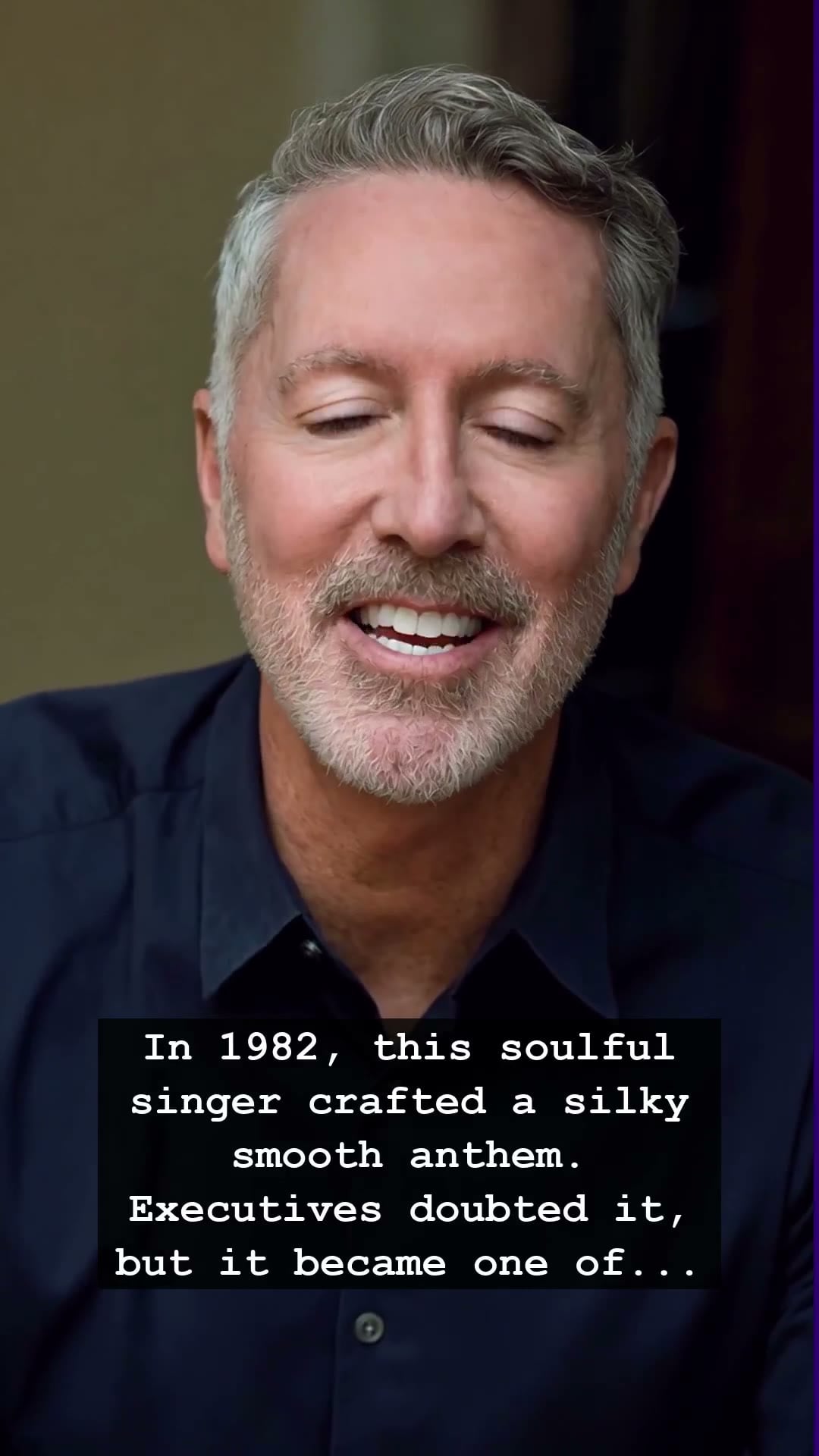
In the neon-soaked landscape of 1982, music executives were obsessed with the high-energy pulse of the burgeoning MTV era. They wanted fast, they wanted synthetic, and they wanted loud. But in a dimly lit studio, one man was crafting a sound that defied the frantic tempo of the times. Michael McDonald, the soulful baritone known for his tenure with The Doobie Brothers, stepped away from the synthesizer to create a track that felt like a quiet, heartbreaking confession. That song was I Keep Forgettin’ (Every Time You’re Near), a masterpiece of blue-eyed soul that would unknowingly plant the seeds for the future of hip-hop.
At the time, the record label was skeptical. They looked at the smooth, mid-tempo groove of the track and wondered if it could cut through the noise of synth-pop and disco that dominated the radio waves. To them, Michael McDonald sounded too relaxed, too intimate, and entirely too sophisticated for an audience fueled by the frantic rhythms of the early eighties. Little did they know, the very element they doubted—that silky, irresistible pocket of rhythm—would eventually become one of the most sampled foundations in modern music history.
To understand the magic of Michael McDonald, you have to imagine the era. This was a time when the Jukebox was still the heartbeat of every dive bar and diner, yet the Walkman was changing how we personalized our soundscapes. Amidst the glitz of Studio 54 and the tail end of the disco fever, McDonald offered something grounded. His voice didn’t just carry a melody; it carried a weight—a weary, soulful resonance that captured the universal ache of love slipping through one’s fingers. It was authentic, unfiltered, and deeply human.
Years later, the industry finally understood what the executives missed. The production of that 1982 hit became a legendary building block for the rap icons of the nineties. When Warren G and Nate Dogg sampled that distinct, velvety rhythm for Regulate, it introduced a new generation to the brilliance of Michael McDonald. Suddenly, the song wasn’t just a relic of the late seventies and early eighties; it was the backbone of a genre that hadn’t even found its full voice when the track was first recorded. It bridged the gap between the sophisticated pop of the Boomer era and the urban soundscapes of the next millennium.
There is a peculiar, haunting beauty in how music survives the passage of time. Looking back at the legacy of Michael McDonald, we are reminded that true artistry often flies in the face of what is trendy. While the eighties were pushing for excess, he leaned into the groove. He proved that a simple, honest story about lost love, backed by impeccable timing, could outlast the fads of a decade defined by technological change. As we listen to those familiar opening chords today, we aren’t just hearing a song; we are hearing a piece of history that refused to be forgotten. What classic melody has been playing in the back of your mind lately?