
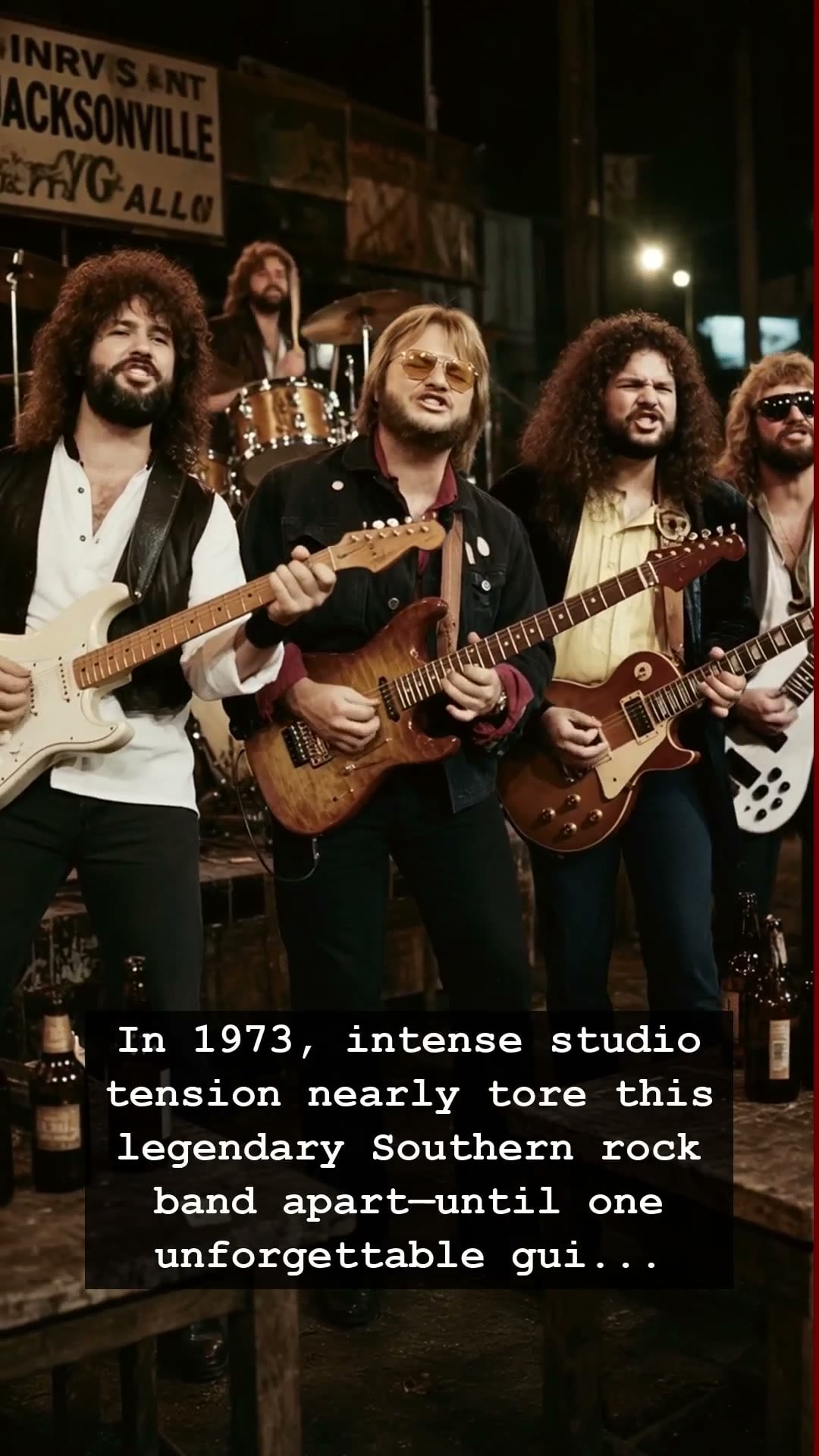
It was 1973, and the air in the studio was thick with the smell of cheap cigarettes, spilled whiskey, and the suffocating pressure of a band teetering on the edge of collapse. Lynyrd Skynyrd, the rowdy sons of the South who had been tearing up the local circuit, were suddenly facing the crushing weight of expectation. The creative friction between the members was not just a spark; it was a wildfire. Egos were clashing, tempers were short, and the relentless drive for that perfect, gritty Southern rock sound had left the band members fractured and exhausted. They were a powder keg, and any wrong note could have sent their dreams into oblivion before they even truly began.
Inside the legendary Studio One, the tension was palpable. The band had been grinding away, trying to translate their raw, volatile stage energy into a permanent recording. Ronnie Van Zant, the indomitable spirit of the group, was demanding nothing less than perfection, while the musicians felt trapped by the sheer complexity of the music they were trying to capture. It was during these darkest hours of doubt that a miracle emerged from the chaos. Ed King, their newest recruit, was struggling to find his footing, but he possessed a musical vision that transcended the band’s internal squabbles. He stepped into the spotlight, not with words, but with a series of chords that seemed to pull the very soul of the South out from the rafters of the studio.
That moment gave birth to Free Bird, a song that would defy the boundaries of radio airplay and become an immortal anthem. As the band coalesced around that now-iconic, spiraling guitar riff, the animosity evaporated, replaced by a singular, focused intensity that defined the golden age of 1970s rock. It wasn’t just a song; it was a testament to the idea that beauty often rises from the ashes of destruction. The track became more than just a melody; it became a cultural touchstone that could be heard echoing from the crackle of a bedroom turntable to the wild, sweat-drenched crowds at festivals like the ones that captured the spirit of Woodstock.
Lynyrd Skynyrd was never just a band; they were a brotherhood forged in fire. Even as the era of disco loomed on the horizon and the industry began to shift toward the glitz of the coming decade, the raw authenticity of Lynyrd Skynyrd remained unmatched. That haunting, escalating guitar solo served as a reminder that rock music at its core was about honesty, even when that honesty was uncomfortable or dangerous. It bridged the gap between the barroom brawlers and the arena rock gods, creating a legacy that would outlive the tragic fate that later befell so many of them.
Today, when you hear those first notes of Free Bird, you aren’t just listening to a classic rock radio staple. You are transported back to a dusty 1973 studio, hearing the exact moment where a group of broken, brilliant musicians decided to immortalize their pain. It is a haunting, beautiful ghost of the past that refuses to fade away, reminding us all that sometimes the greatest art comes from the brink of total disaster. As the chords ring out, we are all reminded of the power of music to heal, to unite, and to endure long after the final spotlight has dimmed.