
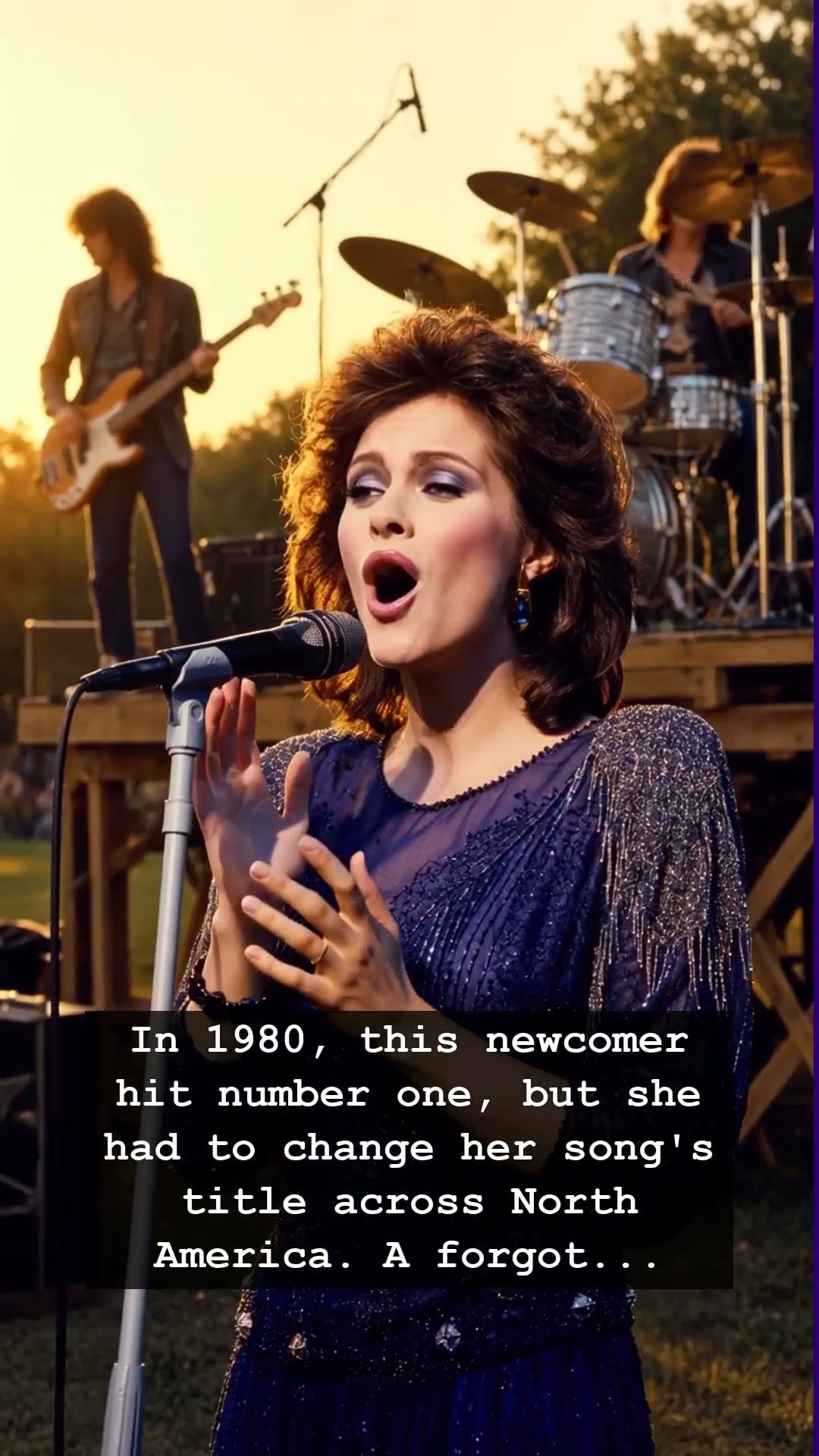
It was 1980, a year defined by the rise of MTV and the fading echoes of disco, when a fresh-faced Scottish sensation named Sheena Easton arrived on the international stage. With a voice as crisp as a cold morning, she captured the hearts of millions, but her path to number one was unexpectedly blocked by the towering shadow of country royalty. While Sheena Easton was preparing to launch her debut single across North America, she ran headfirst into a legal and branding nightmare involving none other than the legendary Dolly Parton. The song in question was a catchy, rhythm-driven anthem about the grind of the working day, but there could only be one song with that title on the radio waves.
Dolly Parton had already cemented her place in the cultural zeitgeist with her hit Nine to Five, a song that defined a decade of women entering the corporate workforce. When Sheena Easton prepared to release her own track of the same name, the clash was inevitable. It was a classic music industry standoff: the newcomer with international potential versus the established Nashville icon. To avoid total confusion and potential litigation, Easton was forced to pivot. Her song, which resonated deeply with the European market, had to be rebranded in North America, resulting in a title shift that would make music historians scratch their heads for years to come.
The friction between these two creative forces provides a fascinating look at the gatekeeping inherent in the music industry during that era. While the public often views these hits as isolated moments of pop perfection, the reality was a boardroom chess game. Sheena Easton, though young and relatively unknown, held her own with undeniable talent, eventually proving that her voice could transcend the limitations of a song title change. It remains a hallmark of the 1980s music scene—a period where juke boxes were still the heartbeat of local diners, and a single radio play could dictate the fate of a budding superstar.
Looking back, this clash represents more than just a marketing snafu; it highlights how protected intellectual property was in the heyday of vinyl and analog radio. For Sheena Easton, the experience served as a baptism by fire into the cutthroat nature of the American charts. She survived the ordeal, of course, becoming a household name and an enduring figure of 80s pop. Yet, for fans of Dolly Parton, the title Nine to Five belongs exclusively to the queen of country. It is a testament to the power of identity in an industry that often tries to manufacture it.
The legacy of this forgotten clash still ripples through the vinyl archives of record collectors today. It reminds us that behind every number-one hit lies a story of negotiation, timing, and the occasional conflict between giants. Whether you were spinning 45s on a turntable or catching the latest video premiere on early cable, the year 1980 was a transformative time. As we look back, it is the small, human dramas that make these legendary tracks feel so alive, keeping the spirit of the era burning bright.