
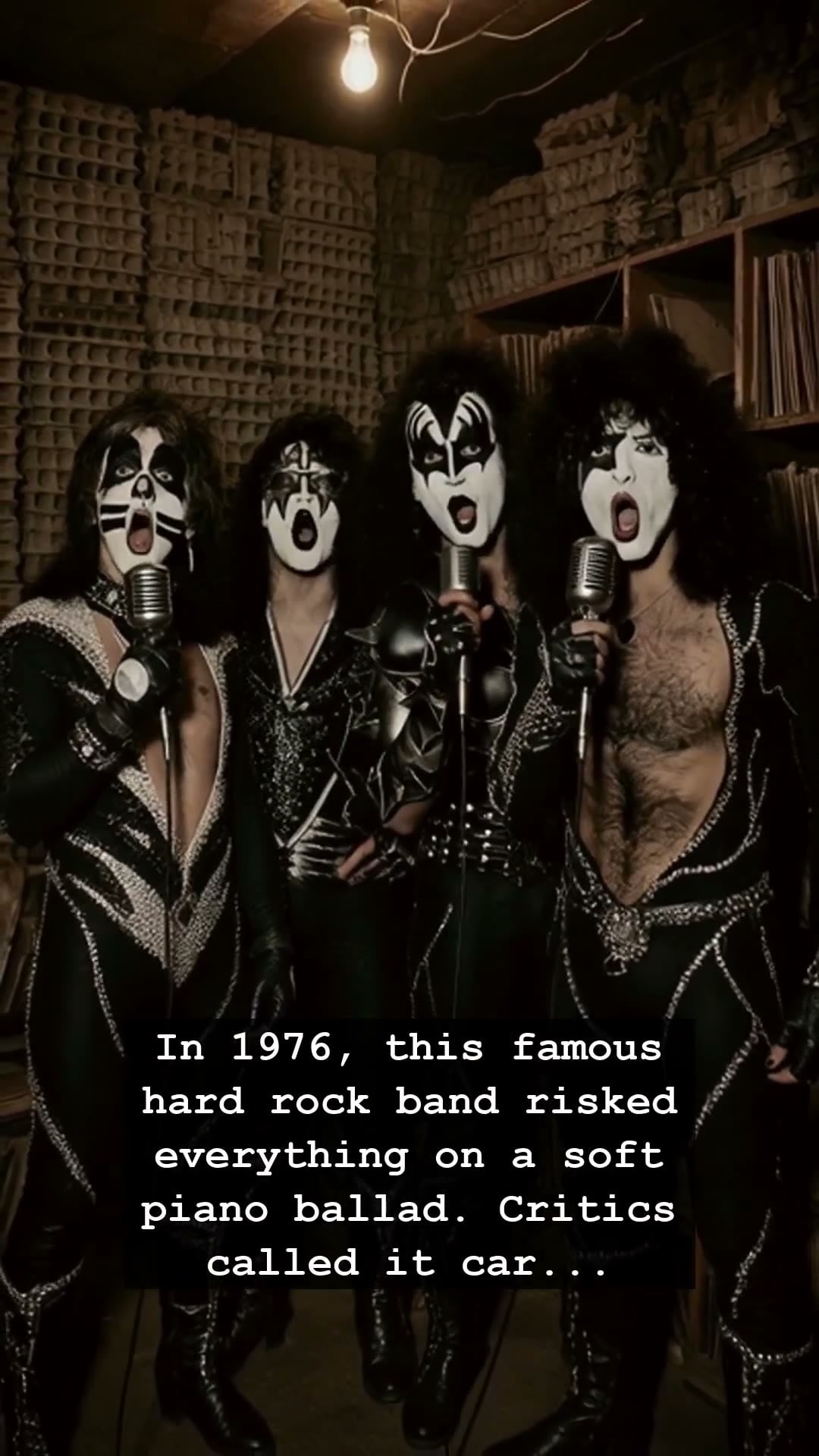
In the sweltering summer of 1976, the face-painted titans of chaos known as KISS were expected to deliver nothing but fire-breathing, eardrum-shattering arena rock. Their reputation was built on theatrical violence and raw, primal energy, fueled by the debauchery of the era. So, when the band presented a soft, piano-driven ballad to their label, the executives laughed. To the suits in the ivory towers, it was commercial suicide. They believed the KISS army didn’t want vulnerability; they wanted leather, spikes, and pyro. But behind the greasepaint and the larger-than-life personas, the band knew they were holding a secret weapon that would change their trajectory forever.
The song was Beth, a haunting, melancholic track about the loneliness of life on the road and the distance between a rock star and the person waiting at home. Originally written by drummer Peter Criss before he even joined the band, the song was raw and deeply personal. It sat in the archives, ignored, until the band decided to take a desperate gamble on the Destroyer album. Producer Bob Ezrin saw something the executives missed: a bridge between the abrasive intensity of hard rock and the mainstream sensibility that could capture the hearts of millions. While the rest of the band focused on stagecraft, Criss sat down at the piano, bringing a ghost of intimacy into a recording studio usually filled with the roar of heavy amplifiers.
When the track was finally released, the music industry braced for a backlash. Instead, something miraculous happened. The song climbed the Billboard charts with a quiet, persistent intensity that the band’s previous hits never achieved. It resonated with the fans who lived in the shadow of the massive KISS hype machine, offering a moment of quiet reflection amidst the disco-dominated dance floors of the late seventies. It was a polar shift for a group synonymous with comic-book carnage. This soft piano ballad humanized the monsters, proving that even the most hardened icons of the seventies could reach into their own pain to craft a timeless anthem.
For those of us who remember tuning our radio dials, hoping for that familiar opening piano melody to emerge from the static, Beth was a pivotal moment of the mid-seventies. It transcended the band’s usual gimmicks and became a staple at weddings, graduations, and long drives home. The contrast was stark; KISS had successfully bridged the gap between the frantic energy of the stadium circuit and the genuine vulnerability of a pop hit. The risk paid off in a way that defined their legacy far beyond their makeup and pyrotechnics.
Looking back at that era, the success of Beth stands as a testament to the fact that authenticity often lies where we least expect it. Even in an age obsessed with excess and the polished production of arena rock, a simple song about missing home could bring a giant to its knees. Decades later, the song remains a haunting, beautiful reminder of the power of a melody to strip away the mask. Do you remember where you were the first time those piano keys started to play?