
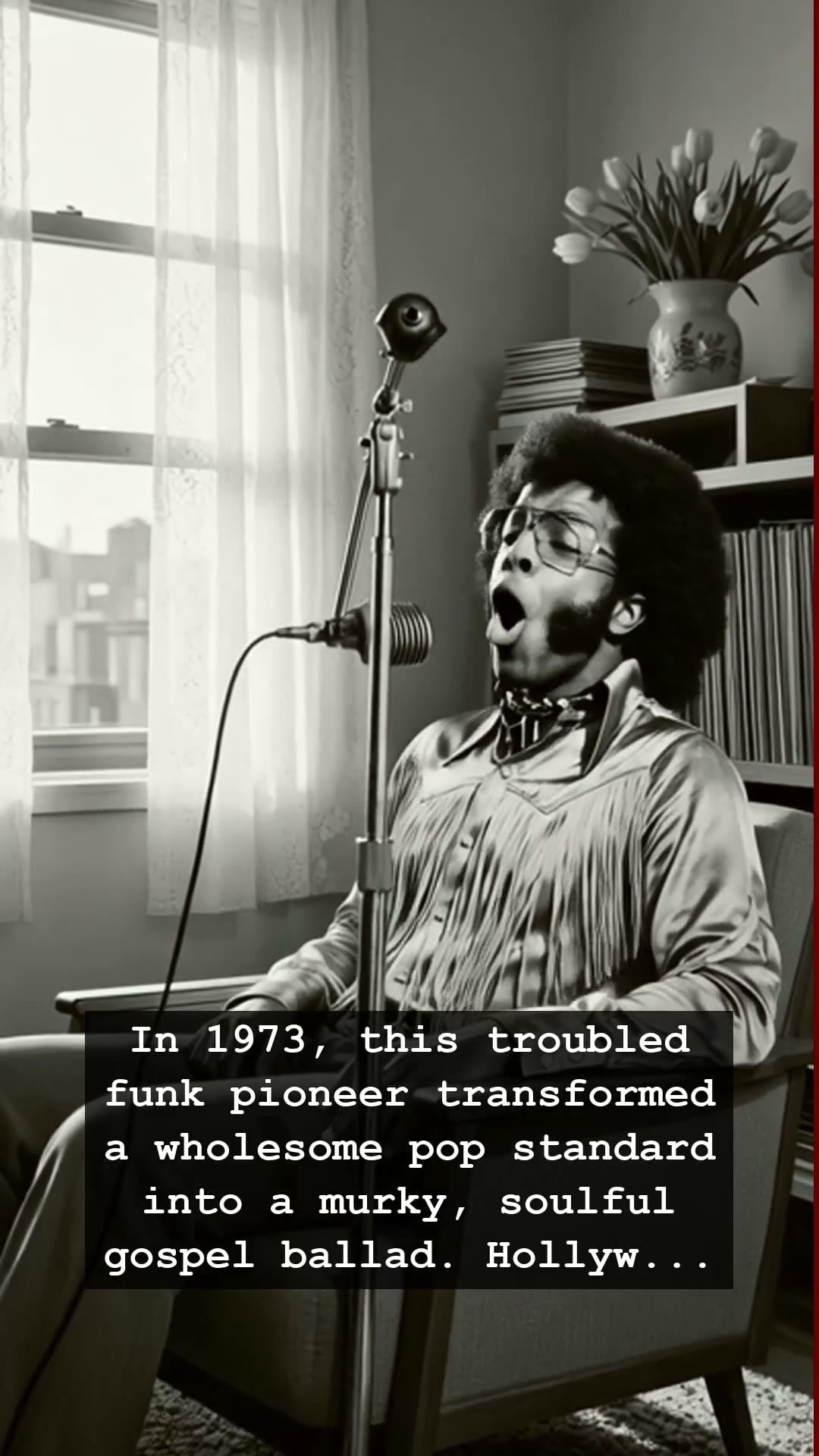
The year was 1973. The airwaves were thick with the neon glow of disco’s infancy and the lingering grit of the late sixties, but in the heart of a recording studio, something altogether stranger was unfolding. Sly Stone, the mercurial genius behind Sly and the Family Stone, was unraveling. Once the golden boy of funk who had set Woodstock ablaze with kaleidoscopic joy, Sly was now retreating into a shadow world of cocaine-fueled isolation and shifting artistic temperaments. It was in this state of fractured brilliance that he decided to take a wholesome, radio-friendly pop standard—Doris Day’s classic Que Sera, Sera—and drag it into the murky, gospel-infused depths of his own psyche.
Most listeners expected a polished, upbeat rendition fitting for the era of the Jukebox and the burgeoning influence of MTV. Instead, Sly Stone delivered a sprawling, haunting ballad that felt less like a pop cover and more like a fever dream of late-night disillusionment. The rhythm was stripped back, replaced by a brooding, soulful atmosphere that seemed to echo the internal turmoil of a man rapidly losing his grip on the fame he had spent a decade cultivating. It was a bizarre, daring, and deeply unsettling reinvention that stood in stark contrast to the clean-cut optimism of the original track.
Hollywood was, by all accounts, stunned. The conservative establishment viewed the track as a desecration of a sacred, cheerful anthem. Yet, the most shocking development wasn’t the avant-garde arrangement; it was the public response from the legendary Doris Day herself. Rather than condemning the funk pioneer for twisting her hit into something so melancholy, she embraced the chaos. In a move that surprised industry pundits, Day publicly praised Sly Stone’s dark interpretation, acknowledging the raw, human vulnerability he had unearthed within the song. It was a rare bridge between two disparate worlds: the sanitized pop of the past and the gritty, experimental soul of the new decade.
This moment serves as a haunting window into the life of Sly Stone. Behind the stage lights and the funk-infused rhythms that defined an generation, there was a man spiraling into the dark side of celebrity. The studio became his sanctuary and his cage, a place where he could transmute his anxiety into sound. Throughout the mid-seventies, his decline became the industry’s worst-kept secret, marked by missed performances and increasing instability. Yet, even in his darkest chapters, the genius of Sly Stone remained undeniably potent, capable of turning the mundane into the profound.
Looking back, this 1973 recording stands as a testament to an era of unbridled artistic experimentation. It captures the tension of a time when the boundaries of music were being rewritten, often at a terrible personal cost. Today, when we spin these records, we are not just listening to notes on a vinyl; we are hearing the echo of a brilliant, troubled soul reaching out from the gloom. Perhaps, like the song says, we never truly know what the future holds—but we can certainly appreciate the echoes left behind.