
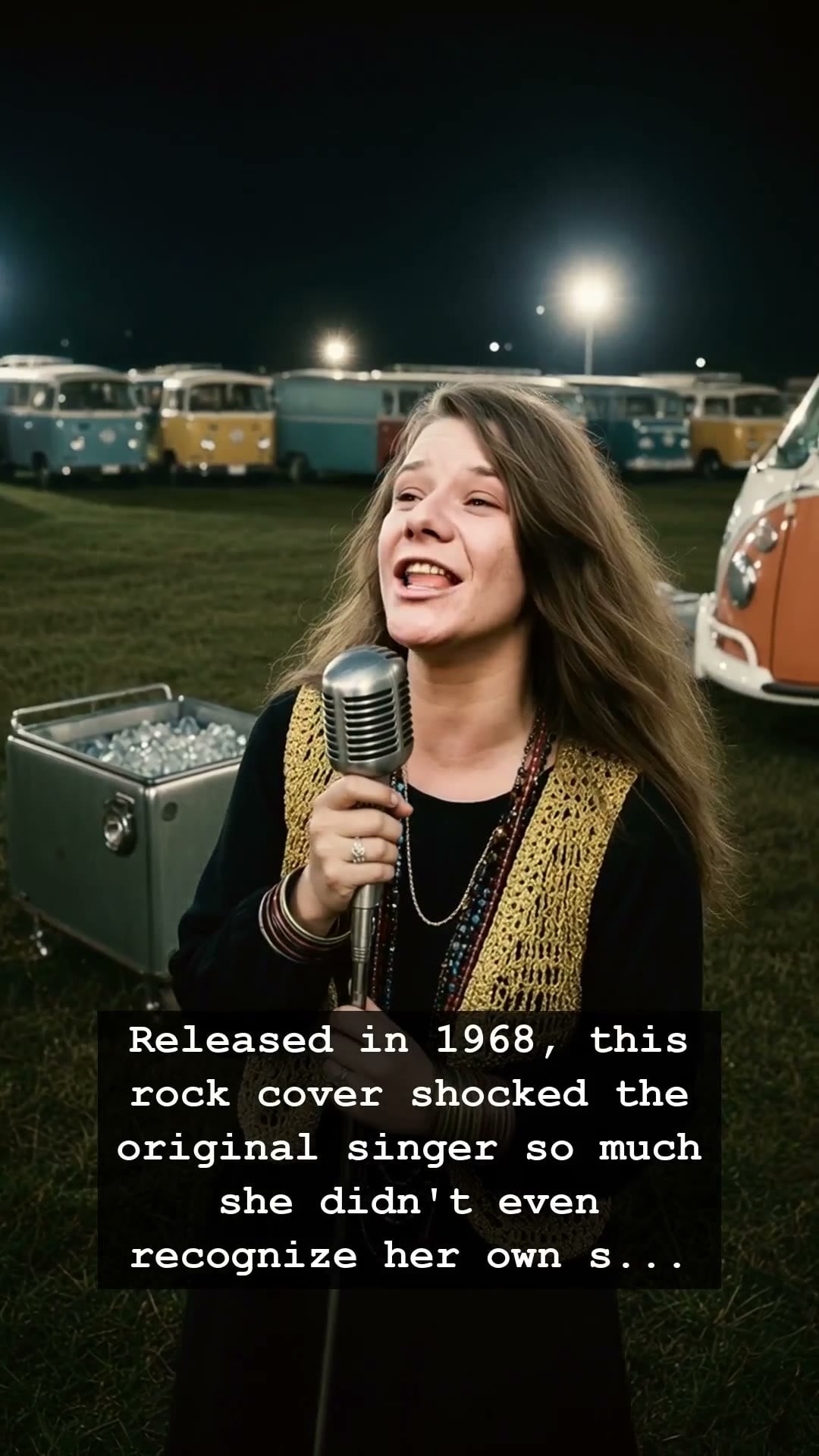
Imagine driving down a sun-drenched California highway in 1968, the radio dial flicking through the static until it lands on a voice that sounds like gravel mixed with honey and pure, unfiltered electricity. You know the melody, but the delivery is a sonic earthquake. For Erma Franklin, the original soul singer who recorded Piece of My Heart in 1967, hearing Janis Joplin’s raw, screaming rendition on the radio was a moment of profound disorientation. She did not even recognize the song she had lent her own soul to just a year prior. It was not just a cover; it was a total transformation that shifted the tectonic plates of the rock and roll landscape.
Janis Joplin was a force of nature who moved through the late sixties like a storm, leaving nothing unchanged in her wake. When she joined Big Brother and the Holding Company, she didn’t just sing; she bled into the microphone. While the original version of the song was a polished piece of R&B sophistication, Janis Joplin turned it into an anthem of desperate, unrequited longing. Her performance was characterized by that trademark raspy, gut-wrenching vocal style that seemed to pull every ounce of pain from her own history. For those who remember the era, the song became a symbol of the transition from the structured Motown sound to the chaotic, emotive energy of the burgeoning psychedelic rock scene.
The drama behind the track mirrors the turbulent life of the woman behind the microphone. Janis Joplin was battling the suffocating pressures of sudden, meteoric fame while struggling with the demons of loneliness and substance abuse that would eventually claim her at age twenty-seven. She treated every performance like it was her last, and in that 1968 studio session, she poured her entire identity into the lyrics. She took a heartbreak and turned it into a weapon, proving that she wasn’t just a singer, but a storyteller of the marginalized and the broken. It is that vulnerability, hidden beneath the bravado, that still resonates with listeners today who find solace in her unapologetic intensity.
Looking back from the digital age, it is hard to fathom the sheer impact this track had on the airwaves of the late sixties. Before the age of MTV and high-definition music videos, the radio was the sacred tether to the culture. When the song hit, it was a defining moment of the era, standing alongside the festivals like Woodstock and the smoky, basement blues clubs that birthed rock legends. Janis Joplin didn’t just borrow a song; she claimed it as her own, a feat so rare that it serves as a testament to her unique, irreplaceable artistic vision.
Today, we look back at the legend of Janis Joplin not just as a tragedy, but as a triumph of raw, human expression. Her rendition remains a staple of classic rock radio, a reminder of a time when music felt dangerous, spontaneous, and deeply personal. It is the sound of a woman who refused to be contained by labels or expectations. When you listen to it now, through the filter of decades, try to capture that feeling of driving down that highway in 1968, hearing the future of rock being born through a car speaker for the very first time. Some songs are written to be heard, but Janis Joplin made sure hers were felt.