
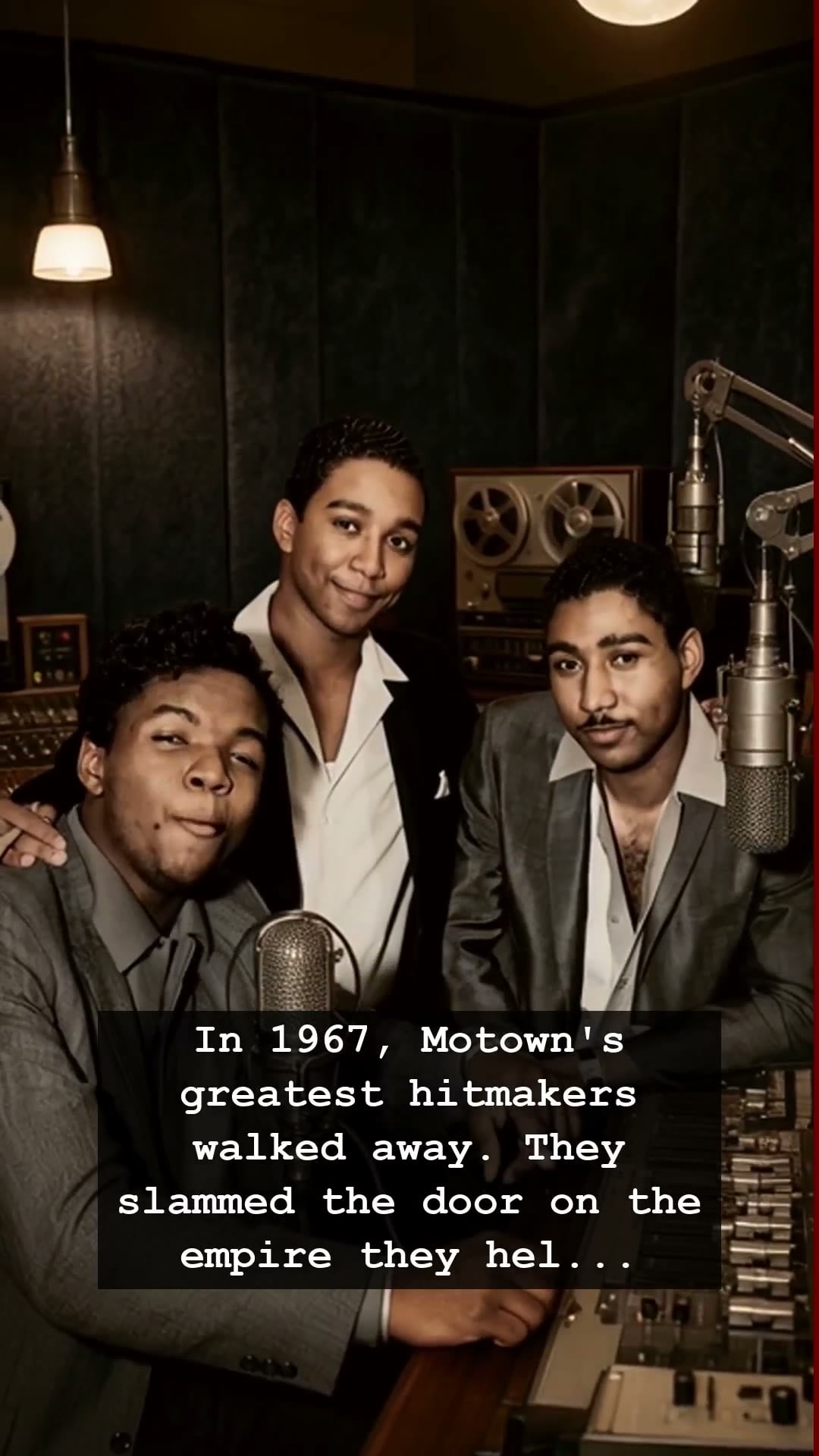
The year was 1967. The world was changing, neon signs were flickering in the twilight of the soul era, and the airwaves were dominated by a sound so infectious it seemed impossible to ever silence. At the heart of this rhythmic revolution stood three men: Lamont Dozier, Brian Holland, and Eddie Holland. Collectively known as Holland-Dozier-Holland, this legendary trio was not just writing songs; they were architects of the American dream, crafting the heartbeat of Detroit in the hallowed halls of Hitsville U.S.A. From the Supremes to the Four Tops, they turned melodies into gold, creating a sonic landscape that defined a generation. Yet, behind the polished veneer of Motown records, a storm was brewing that would shatter the empire.
In the late sixties, while the rest of the world was swept up in the psychedelic haze of the Summer of Love, Holland-Dozier-Holland found themselves trapped in a different kind of fog. They were the engine behind Motown’s unprecedented success, yet they felt like cogs in a machine that viewed them as expendable. The glitter of the Jukebox era couldn’t hide the grit of unfair contracts and the bitter sting of royalty disputes. The tension between these genius songwriters and label head Berry Gordy reached a breaking point that summer. In an act of defiance that sent shockwaves through the music industry, they slammed the door on Motown, leaving behind a vacuum that would never truly be filled.
It is difficult to overstate the magnitude of their departure. Imagine the industry without the polished perfection of Baby Love or the soulful urgency of Reach Out I’ll Be There. Holland-Dozier-Holland had become synonymous with the Motown sound, their creative intuition dictating exactly what the public wanted to hear before the public even knew it. When they walked away, they didn’t just walk out of an office; they walked out on the legacy they had painstakingly built. It was a move born of artistic integrity and frustration, a rare moment where the talent realized they held more power than the corporate giants profiting from their sweat and tears.
Today, when we hear those iconic opening bars on a crackling vinyl record, we aren’t just listening to music; we are hearing the echo of a rebellion. The story of Holland-Dozier-Holland remains a cautionary tale about the dark side of fame and the fragility of creative partnerships. It highlights the brutal reality of an era where brilliant musicians were often treated as commodities rather than cultural icons. Their departure in 1967 was a tragedy for Motown, but a triumph of will for the artists involved.
Decades later, their influence remains stitched into the fabric of modern pop music. Whenever a new generation discovers the Motown sound, they are walking into the world that Holland-Dozier-Holland once ruled. We still look back at that era with a sense of wonder, mourning the songs that might have been if they had stayed, while celebrating the masterpieces they left behind. So, the next time you drop the needle on a classic track, listen closely. You might just hear the sound of a legacy that refused to be silenced, echoing through the halls of history.