
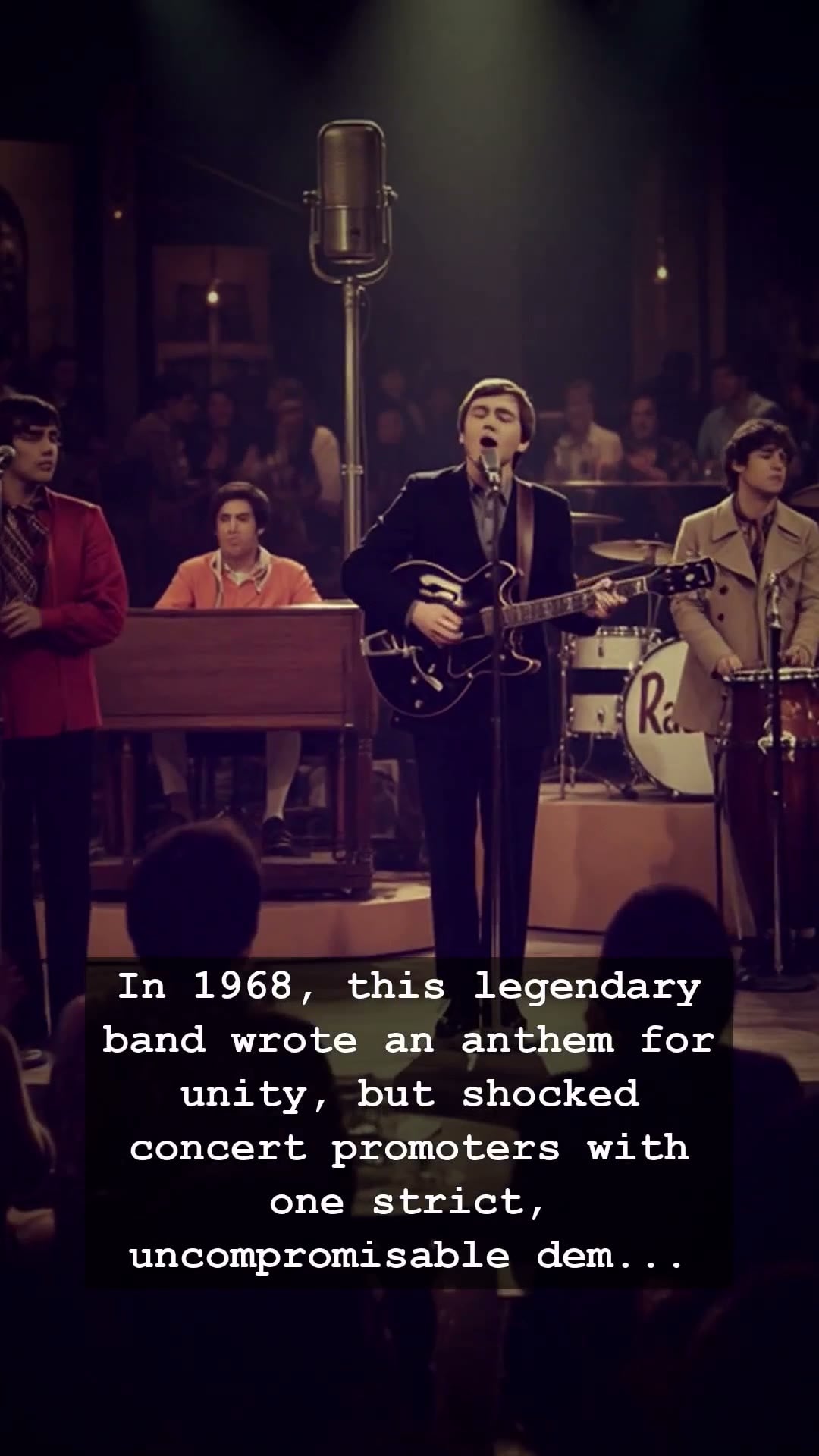
In 1968, the world felt like it was fracturing at the seams. From the burning streets of American cities to the sorrow left by the assassination of Martin Luther King Jr., the social fabric of the United States was unraveling. Amidst this tense backdrop, The Young Rascals found themselves at the center of a cultural storm. They had just penned People Got to Be Free, an anthem that would eventually top the charts and serve as a desperate, soulful plea for unity during the most turbulent year of the decade. But behind the melody lay a profound, unyielding stand that would shock the industry.
While promoters were busy lining their pockets with the proceeds of the booming concert circuit, The Young Rascals were looking beyond the ticket sales. They were deeply affected by the racial segregation that still plagued the live music industry, even as the psychedelic rock and soul movements were supposed to be bridging divides. The band made a bold, non-negotiable ultimatum: they refused to perform at any venue that insisted on maintaining segregated lineups. If a promoter could not guarantee an integrated bill, the band simply would not step onto the stage.
This was not just a PR stunt; it was a radical act of defiance. In an era where the Jukebox was the heartbeat of every diner and the radio played a crucial role in shaping public consciousness, taking such a stance could have easily tanked their career. Yet, The Young Rascals were uncompromising. They leveraged their platform to challenge the status quo, forcing venue owners to look into the mirror and confront the systemic inequality that had been ignored for far too long. Their demand was a visceral, honest protest against the status quo of the late sixties.
Reflecting on that era, it is easy to view the late sixties through the rose-tinted lens of Woodstock or the Summer of Love, but the reality was much grittier. For The Young Rascals, the stage was more than a platform for their hits; it was a sanctuary where they believed equality had to start. They navigated a landscape where the pressure of fame, the weight of their artistic message, and the constant threat of backlash created a high-stakes environment. Their music was their soul, but their refusal to compromise on their integrity was their legacy.
Today, the songs of The Young Rascals evoke a powerful sense of nostalgia for a time when music felt like it actually carried the weight of the world on its shoulders. Their story serves as a reminder that behind the catchy hooks and the organ-driven melodies were human beings fighting for what they believed was right. Whether you remember hearing them on a scratchy vinyl record or discovered their sound through the echoes of the golden age of rock, their message remains a testament to the power of art to demand change. Let us keep their spirit alive by continuing to listen to the truth hidden in the chords of those timeless records.