
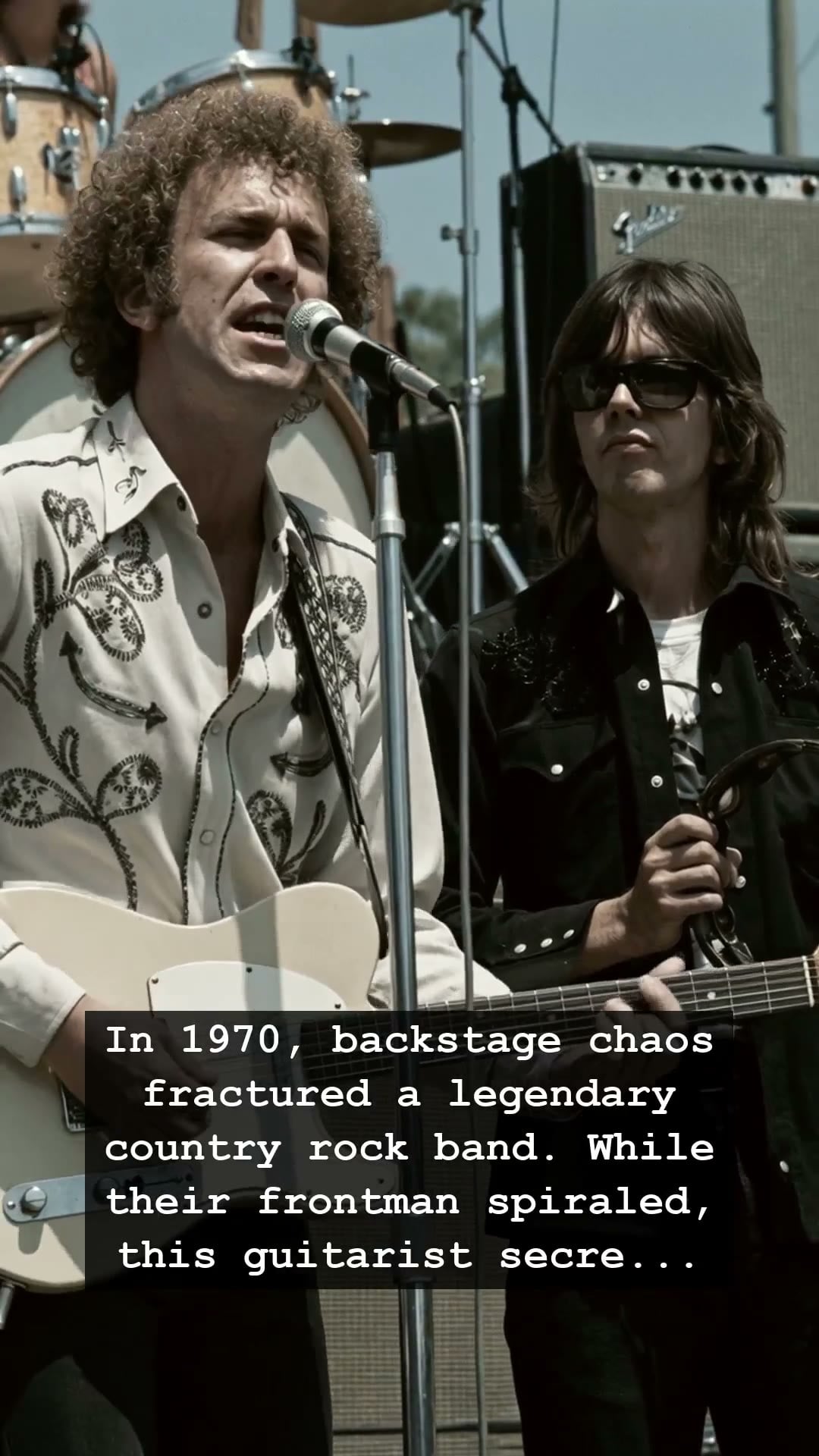
The year was 1970, and the air inside the recording studio was thick with the scent of stale tobacco and the suffocating pressure of emerging stardom. While the world outside was just beginning to embrace the polished sounds of the FM radio revolution, a quiet, seismic shift was occurring within the ranks of country rock royalty. At the center of this storm were two men who viewed the soul of American music through vastly different lenses: the ethereal, self-destructive genius Gram Parsons and the meticulously disciplined musician Bernie Leadon. To the casual observer, they were building the bridge between the grit of Nashville and the freedom of Laurel Canyon, but behind the soundproof glass, a bitter tug-of-war for the soul of the band was silently tearing them apart.
Gram Parsons, the man who would eventually influence everyone from the Rolling Stones to the modern Americana movement, was drifting further into a haze of chemicals and cosmic ambition. He viewed music as a spiritual pursuit, often disregarding the professional constraints that Bernie Leadon held dear. Leadon, a talented guitarist with a firm grasp on the technical intricacies of bluegrass and country, found himself increasingly frustrated by the unpredictability of his bandmate. As Gram Parsons spiraled deeper into his own personal mythology, Leadon quietly stepped into the void, taking control of the studio sessions with a surgical precision that signaled the end of the band’s collaborative innocence.
This wasn’t just a clash of egos; it was a battle for the definition of the country rock sound. Bernie Leadon wanted a refined, harmonious legacy, while Gram Parsons pursued a raw, aching honesty that lived on the edge of collapse. The tension manifested in every chord change and every vocal take. There were nights backstage, drenched in the neon glow of the era, where the silence between them spoke louder than their instruments. It was a pressure cooker environment, a microcosm of the excess that defined the late sixties and early seventies. While the public hungered for the next big hit, the internal fracture was already complete, setting the stage for one of the most significant musical divorces in rock history.
Looking back from our modern perspective, this drama resonates because it captures the beautiful tragedy of creativity. The friction between the wild, wandering spirit of Gram Parsons and the structural integrity of Bernie Leadon is what gave their music its legendary, jagged edge. We listen to those records today on high-fidelity turntables, blissfully unaware of the silent shouting matches that happened before the final mix. Their story remains a cautionary tale about the cost of fame and the delicate alchemy required to keep a band together when brilliance and instability occupy the same space.
Decades later, the echoes of this conflict still ripple through the industry. The legacy of Gram Parsons continues to enchant those who favor the tragic poet archetype, while the contributions of Bernie Leadon serve as a masterclass in the technical discipline required to survive the music business. Their short-lived partnership serves as a snapshot of an era when rock and roll was still finding its identity, wandering through the desert before discovering its own reflection. Whether you are a fan of their specific sound or simply a student of rock history, remember that the most beautiful melodies often arise from the deepest cracks in the foundation. Does the sound of their harmony still haunt your memories of those golden, chaotic days?