
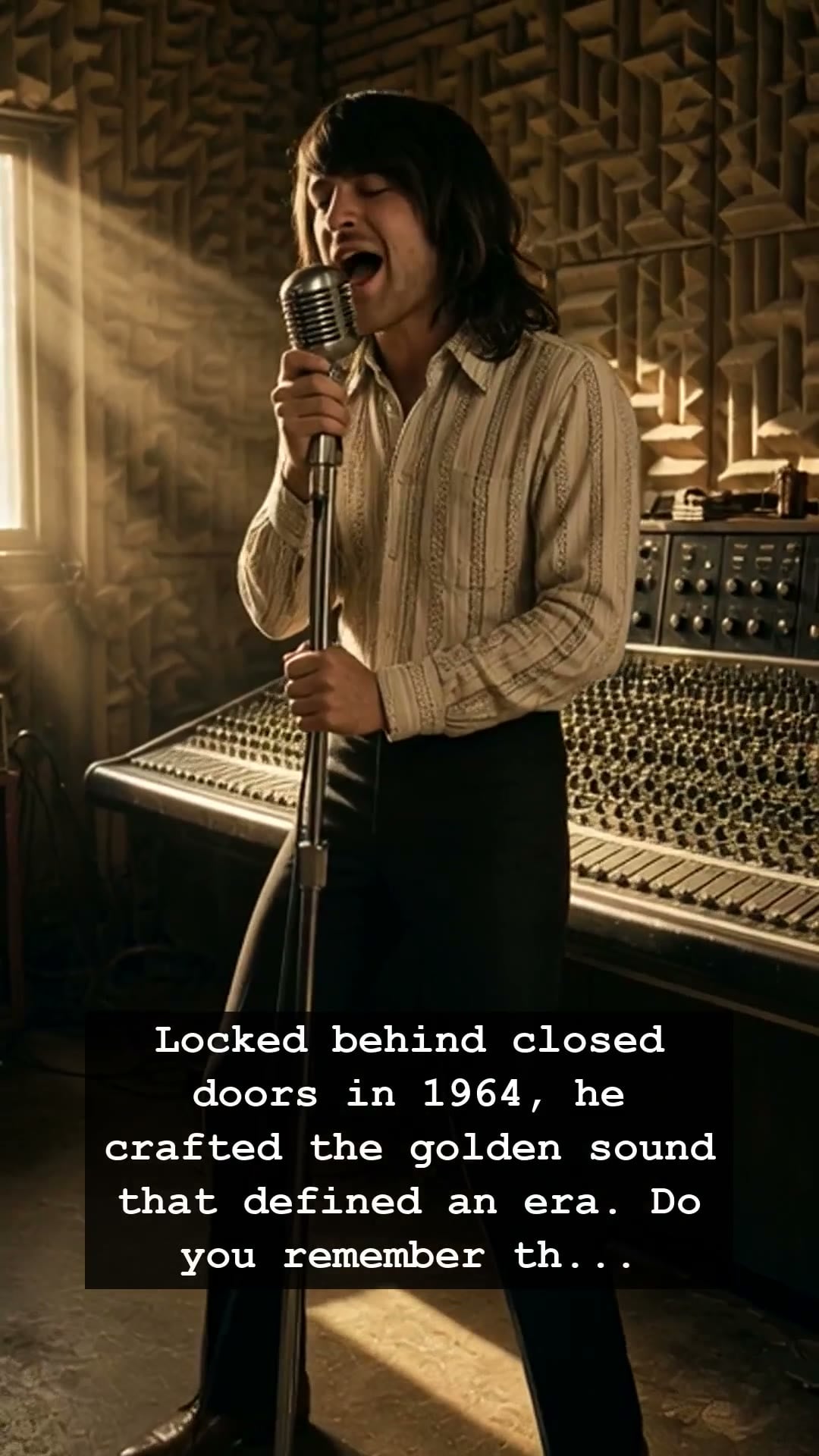
The year was 1964. While the world outside was beginning to shift under the influence of the British Invasion, a different kind of revolution was simmering in the cramped, windowless confines of a Detroit studio. Behind those closed doors, Brian Holland was not just writing songs; he was constructing the very architecture of the American dream. As a pivotal member of the Holland-Dozier-Holland songwriting trio, Brian Holland became the silent mastermind behind a sound that would hijack the airwaves and define an entire generation. It was a golden era of rhythm, where the needle dropping on a spinning vinyl record felt like a heartbeat.
To understand the magic of Motown, one must appreciate the intense, almost clinical pressure of the Hitsville U.S.A. factory. Brian Holland worked with a relentless obsession for perfection. He understood that to compete with the changing tides of rock and roll, he needed to create something that felt both sophisticated and primal. He wasn’t just penning melodies; he was sculpting them with a distinct, gospel-infused soul and a snapping backbeat that demanded your attention. When you heard those opening bars, you didn’t just listen; you felt the floorboards of your living room vibrate.
Yet, the life of Brian Holland was far from the polished glitz of the stage. Within the inner circle of Motown, the drama was as thick as the heat in the studio. Behind the polished veneer of success lay long nights of creative exhaustion and the constant, gnawing fear of the next record flopping. Brian Holland navigated these choppy waters with a focus that often bordered on the obsessive. He was a man possessed by the need to capture a specific emotion, a certain yearning that reflected the soul of a nation in transition. The tension in the studio was palpable, a crucible where artistic genius clashed with the grueling demands of the music industry.
These beats became the soundtrack to the mid-sixties, blasting from chrome-plated jukeboxes in diners and carried across the country by the crackle of transistor radios. Brian Holland was the conductor of this sonic revolution, ensuring that every bassline and tambourine hit served the song’s emotional core. He didn’t just make music; he made memories that would outlast the era itself. Even now, decades later, when those familiar melodies chime, you are instantly transported back to a time of innocence, style, and profound cultural shift.
Why does the work of Brian Holland still resonate today? Perhaps it is because he captured something immutable about the human experience—the joy of love, the sting of heartbreak, and the undeniable urge to dance away our troubles. As we look back, his legacy is not just in the chart-topping numbers, but in the way his songs act as a time machine. The next time you find yourself tapping your foot to a classic Motown track, remember the man locked behind those closed doors, tirelessly forging the gold that became the heartbeat of an era.