
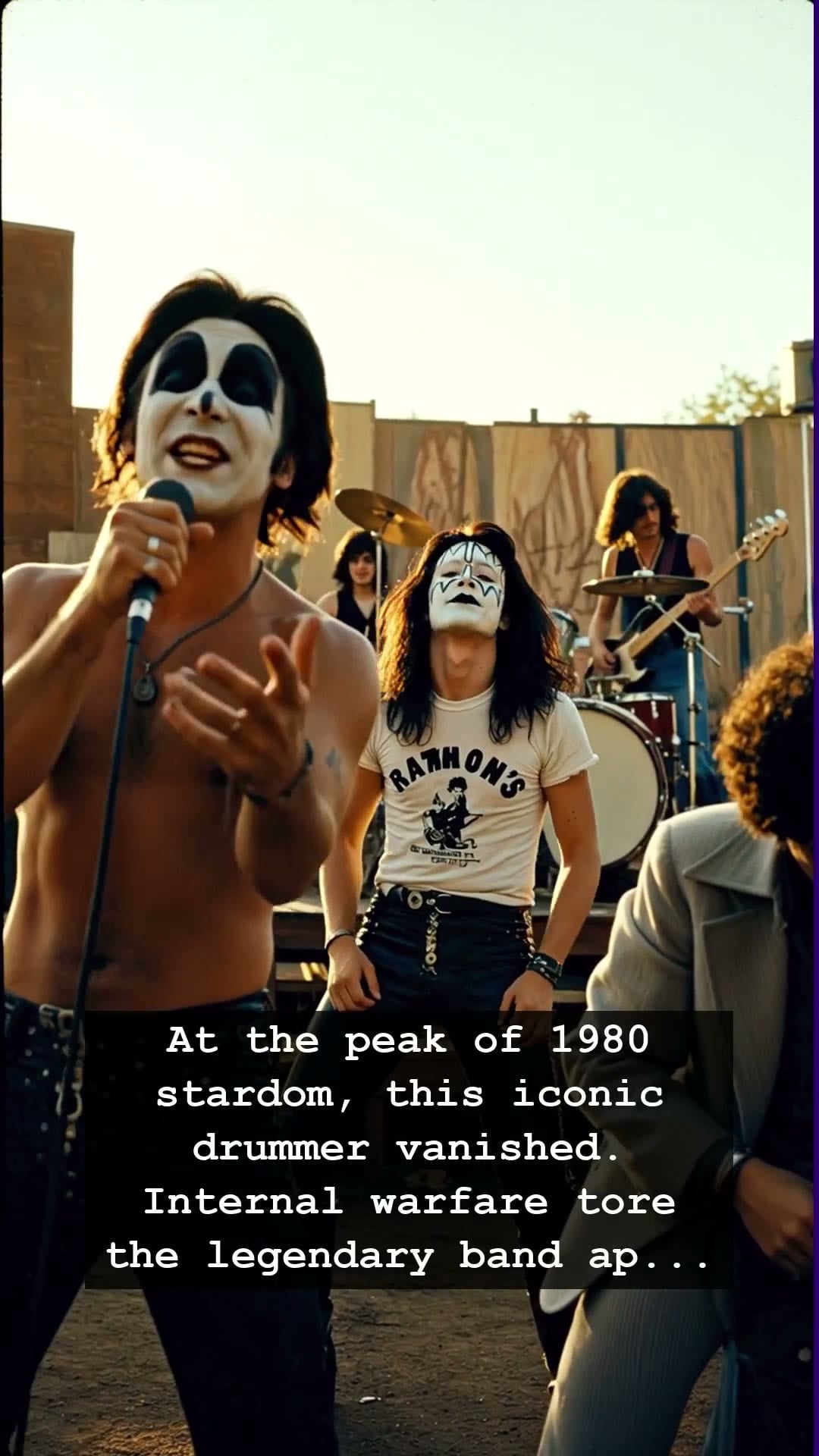
Imagine the year is 1980. The air is thick with the scent of hairspray and cheap stage makeup, and the neon glow of the decade is just beginning to flicker to life. For a band like KISS, who had transformed rock music into a theatrical spectacle of explosions and blood-spitting antics, this should have been the summit of their reign. Yet, behind the greasepaint masks and the pyrotechnics, the foundation of the rock quartet was crumbling. Peter Criss, the man behind the iconic Catman persona, suddenly vanished from the spotlight, leaving millions of fans bewildered and signaling the end of an era that defined a generation of arena rock.
The friction was not a sudden explosion; it was a slow, agonizing burn. By the late 1970s, the brotherhood that had once formed in the gritty clubs of New York City was rotting from the inside out. While their records were spinning on every Walkman and jukebox across the country, Peter Criss was struggling to reconcile his reality with the demands of a commercial machine. Substance abuse, creative alienation, and a sense of isolation within his own band created a rift that no amount of gold records could bridge. The ego clashes between band members had become legendary, but for Peter Criss, the cost of stardom had finally become too steep to pay.
There is a haunting quality to the way the story of Peter Criss unfolded. In the world of rock and roll, we often pedestalize the legends, ignoring the human cost of the lights and the noise. When he left, it wasn’t just a drummer walking away; it was the shattering of an identity that had become larger than life. The internal warfare that tore KISS apart represents the darker side of fame—a cautionary tale of how the very thing that gives an artist their voice can also drown it out. The drama that unfolded behind the scenes serves as a grim reminder that even in the golden age of stadium rock, the isolation of the stage is profound.
Looking back, the departure of Peter Criss marked a distinct shift in the trajectory of American rock music. As the 80s marched forward, the band shifted their sound and their style, leaving behind the raw, desperate hunger of their early years. The legacy of those early records remains, etched into the grooves of vinyl that still sit on our shelves today, but the cracks are visible if you look closely enough. The Catman’s exit remains one of the most enigmatic chapters in rock history, a moment where the curtain was pulled back just enough to reveal the fractured humanity hiding behind the mask.
Even today, the tale of Peter Criss resonates because it touches on the universal struggle between personal authenticity and the demands of an industry that never sleeps. We still listen to those classic tracks, hearing the rhythm of a man who was caught in the middle of a cultural landslide. Every time we spin a record from that era, we aren’t just hearing drums; we are hearing the echo of a broken brotherhood and the ghost of a band that could never quite go home again. History is a fickle witness, but the sound of the drums never lies.