
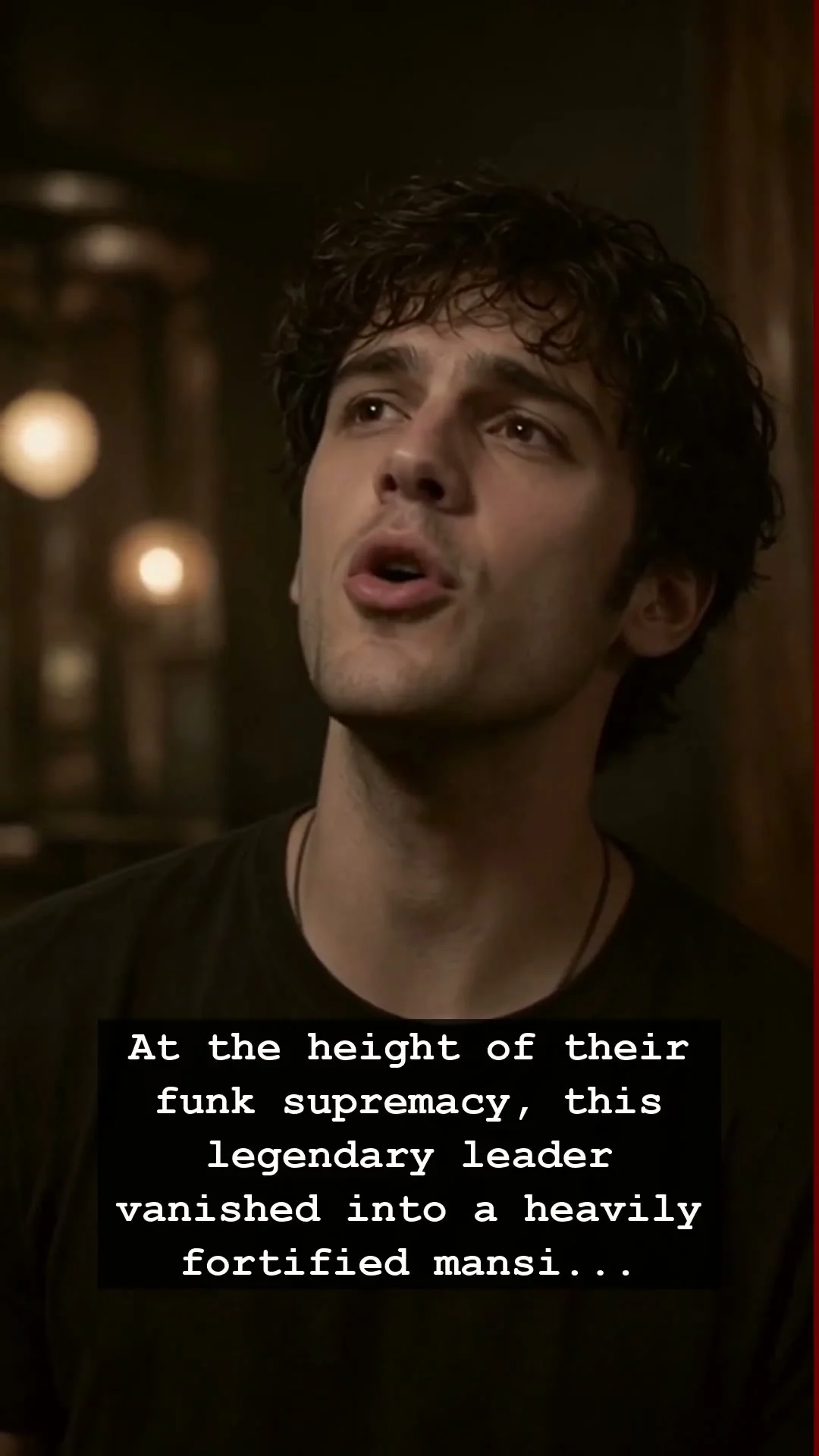
The year was 1969, and the world belonged to Sly and the Family Stone. At the height of the Woodstock era, they were not just a band; they were a vibrant, multi-ethnic, gender-bending revolution that redefined American music. With tracks like Dance to the Music and Everyday People, the charismatic leader Sly Stone commanded the radio airwaves, blending soul, rock, and psychedelic funk into a groove that felt invincible. Yet, behind the shimmer of the neon lights and the roar of the arena crowds, a dark, suffocating paranoia was beginning to take root, eventually leading the genius behind the sound to vanish into the shadows of a heavily fortified mansion.
As the seventies rolled in, the atmosphere of the American music scene shifted from the hopeful idealism of the sixties to something far more jagged and cynical. Sly and the Family Stone began to fracture under the immense weight of newfound superstardom, fueled by a relentless touring schedule and the pervasive lure of the underground drug culture. The transition from the collaborative spirit of their early records to the brooding isolation of their later work is one of the most haunting tales in the history of soul music. Sly Stone, once the golden boy of the airwaves, became increasingly difficult to reach, frequently missing studio sessions and arriving hours late to sold-out concerts.
By the mid-seventies, the funk pioneer had essentially retreated into a fortress. His Bel-Air home became a symbol of his rapid decline—a space guarded by heavy security and filled with a chilling, eerie silence that stood in stark contrast to the explosive rhythms that had once defined his career. The band, once a tight-knit collective, disintegrated as internal conflicts and the leader’s erratic behavior tore them apart. It was a rapid descent that mirrored the decline of the disco-fueled glamour of the era, leaving fans wondering how such a brilliant creative light could be extinguished so abruptly by the very fame he had fought so hard to capture.
Looking back, the story of Sly and the Family Stone serves as a cautionary tale about the dark side of fame during an era when the industry was becoming increasingly predatory and fast-paced. Their music was the heartbeat of a generation that believed in unity and progress, yet the man who led that charge found himself trapped in a prison of his own making. The irony of a man who wrote anthems for the people losing touch with reality remains one of the most poignant narratives of the twentieth century. It reminds us that behind every iconic record on the jukebox or spinning on a turntable, there were human struggles far more complex than the lyrics suggested.
Even decades later, the sonic fingerprint of Sly and the Family Stone is unmistakable. When you hear the opening bass lines of their greatest hits, it still feels like a revolution is brewing. We remember the peak, the funk supremacy, and the vibrant colors of their stage presence, but we also acknowledge the tragedy that followed. Do you still remember how it felt when the groove was untouchable? While the legend faded behind fortified walls, the music remains a timeless testament to a genius who dared to change the world before the world changed him forever.