
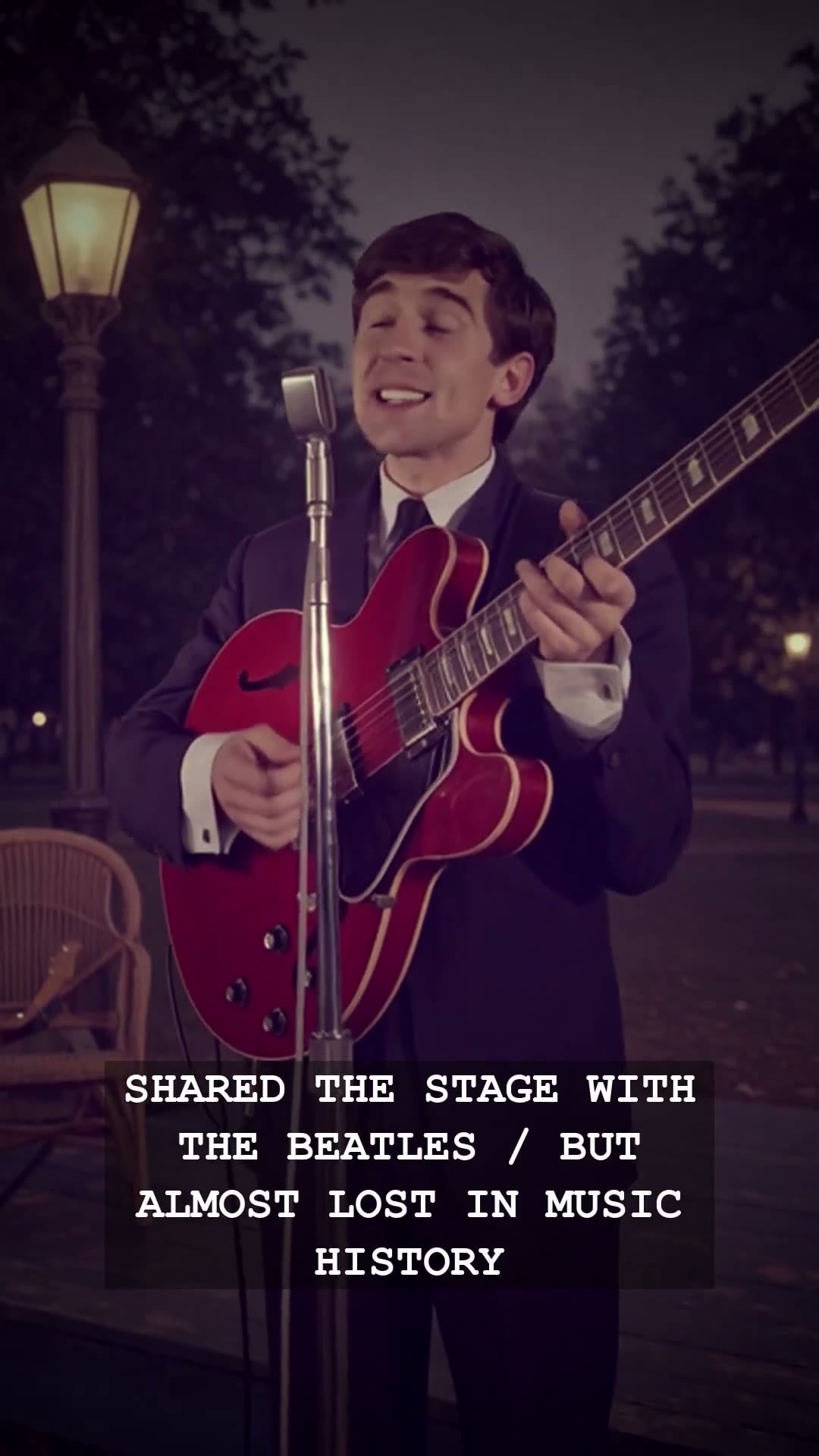
In the damp, oxygen-starved heat of Liverpool’s Cavern Club, the air was thick with the scent of stale ale and the revolutionary electricity of a changing decade. Before the world became obsessed with the global phenomenon of the Fab Four, there was a different kind of urgency emanating from the stage. Among the gritty pioneers who helped forge the Merseybeat sound were The Swinging Blue Jeans. They stood side-by-side with The Beatles, sharing the same microphones and the same frantic, adrenaline-fueled dreams, yet history has a cruel way of casting long shadows that swallow the supporting cast. While their peers reached the stratosphere of global superstardom, The Swinging Blue Jeans remained tethered to the raw, pulsating roots of rock and roll.
The early 1960s were not just a time of music; they were a cultural earthquake. Armed with jangly guitars and harmonies that crackled with youth, The Swinging Blue Jeans captured the specific alchemy of an era when rock was still shedding its skin. Their version of Hippy Hippy Shake became an iconic anthem, a frantic blast of energy that defined the spirit of the jukebox age. It was a time when teenagers crowded around grainy television sets and portable radios, desperate for the next hit that would define their identity. For a fleeting moment, The Swinging Blue Jeans were the kings of that scene, embodying the fierce, competitive camaraderie that permeated the Liverpool music circuit.
However, the music industry is a fickle beast, and the transition from local heroes to international icons is rarely linear. As the British Invasion swept across the Atlantic and the world turned its gaze toward psychedelic rock and studio experimentation, the straightforward, driving pulse of the band’s sound began to feel like a relic of a simpler past. The tragedy of the band is not a lack of talent, but the timing of their ascent. In the shadow of the massive cultural machine that propelled their contemporaries to the top of the charts, the contributions of The Swinging Blue Jeans were often relegated to the footnotes of history books. They lived the lifestyle, tasted the fame, and survived the grueling touring circuits, but they walked away without the monumental myth-making that protected their peers from obscurity.
Today, listening to their records feels like opening a dusty time capsule. You can almost hear the hum of the vacuum-tube amplifiers and the roar of a crowd that hadn’t yet been silenced by the sheer scale of stadium rock. The legacy of The Swinging Blue Jeans resides in that authentic, unvarnished energy—the kind of music made by musicians who were playing for the love of the song rather than the lure of a legacy. They remind us that for every chart-topping superstar, there were dozens of bands whose sweat and ambition built the very foundations of the genre.
Their story serves as a poignant reminder that rock history is not just composed of the giants who stood atop the mountain, but of the voices in the valley who climbed just as hard. Whether you are a dedicated collector of vintage vinyl or someone finding their way back to the roots of rock and roll, the melodies of The Swinging Blue Jeans still hold the ghosts of a golden age. They were there at the beginning, they helped define the heartbeat of an era, and they remain a vital piece of the tapestry that makes music history so endlessly fascinating.