
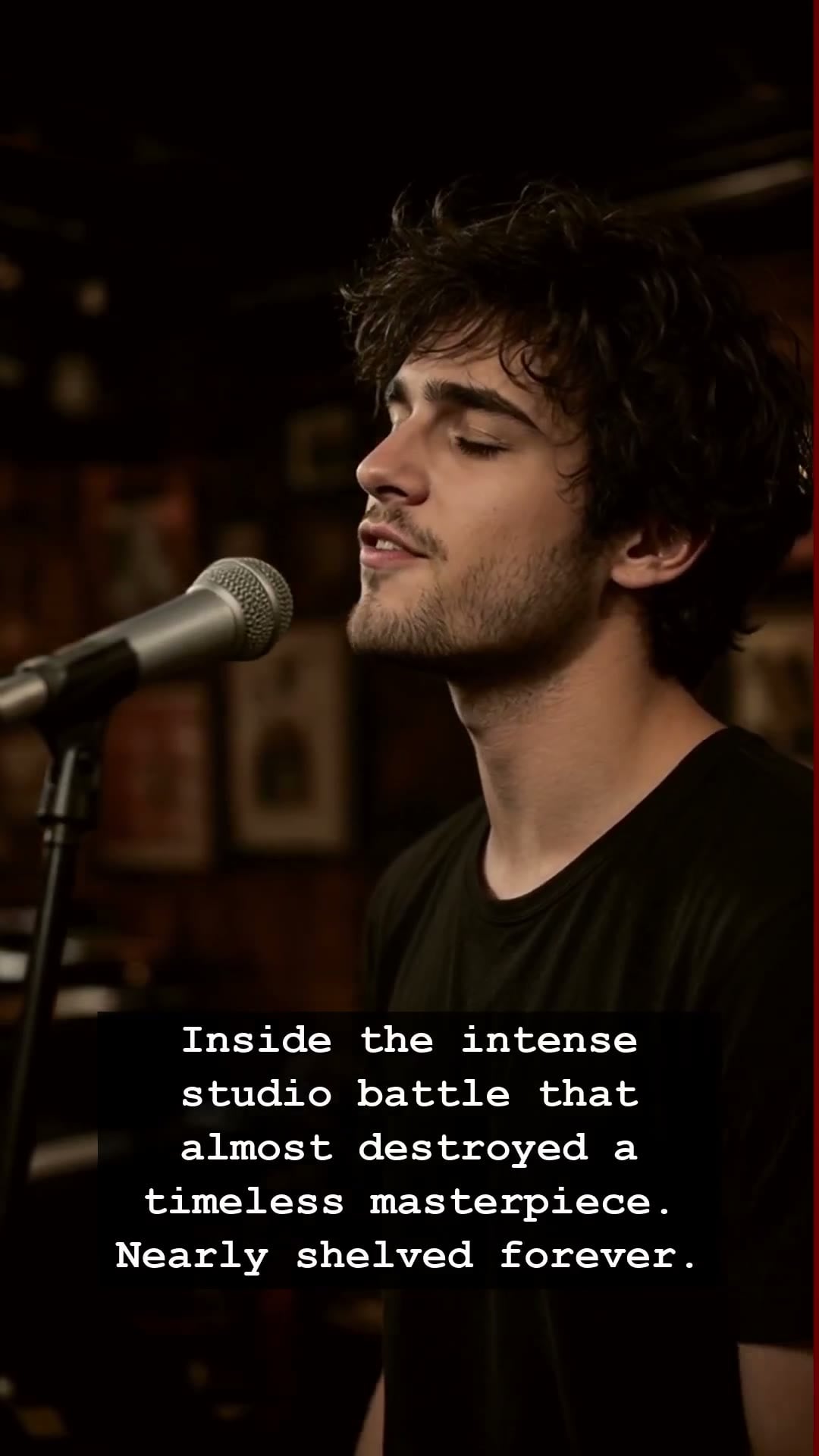
It was 1972, and the air inside the recording studio felt less like a creative sanctuary and more like a pressure cooker on the verge of exploding. Stevie Wonder, a musical prodigy who had already outgrown the restrictive assembly-line pop machine of Motown, was fighting for his very soul. He was crafting what would eventually become the landmark album Talking Book, but the journey to that finish line was paved with broken glass, shredded contracts, and a high-stakes standoff that nearly saw the entire record buried in a vault, never to reach the ears of a public starving for authentic sound.
At the time, the industry was shifting. The golden age of Jukebox hits was giving way to an era where artists demanded complete autonomy. Stevie Wonder was leading this charge, having essentially bet his entire career and his own money on the line to prove that he didn’t need the traditional hit-making formula to define his genius. But his label executives were terrified. They saw his new, experimental, synth-heavy arrangements as commercial suicide. The tension was palpable; every session was a battlefield where Stevie’s uncompromising artistic vision clashed violently with the corporate suits who wanted the Stevie they knew from the 60s—the polite, hit-churning boy wonder.
There were moments when the project felt like a lost cause, a ghost of a record that would haunt the Motown archives forever. The arguments were legendary, filled with the kind of intense, raw emotion that only truly transformative art can stir. Yet, Stevie Wonder remained unmoved by the threats. He knew he was tapping into something transcendent, a synthesis of soul, funk, and the burgeoning power of the synthesizer that would ultimately redefine the landscape of American music. He was fighting to prove that he was not just a performer, but a composer capable of profound social and personal resonance.
When the masterpiece finally emerged, the world shifted on its axis. The album stood as a testament to the fact that when genius is allowed to bleed, it produces gold. Tracks like Superstition became the pulse of a generation, a sound so infectious and sophisticated that it turned every radio station into a stage. It wasn’t just music; it was a victory lap for artistic independence. The drama of those months in the studio only adds a shimmering layer of grit to the final product, reminding us that the greatest art often comes from the most difficult births.
Looking back at that pivotal year, it is impossible to imagine the cultural tapestry of the 70s without the contribution of Stevie Wonder. That intense studio battle, once a source of bitter conflict, is now part of the mythos that makes his music feel so alive today. We still listen to those records on worn-out vinyl, feeling the same electricity that crackled through the monitors back in 1972. It is a timeless reminder that when the stakes are at their highest, the music is often at its best. Next time you drop the needle on a classic, remember the silence that almost was, and thank the stars that Stevie Wonder won his war.