
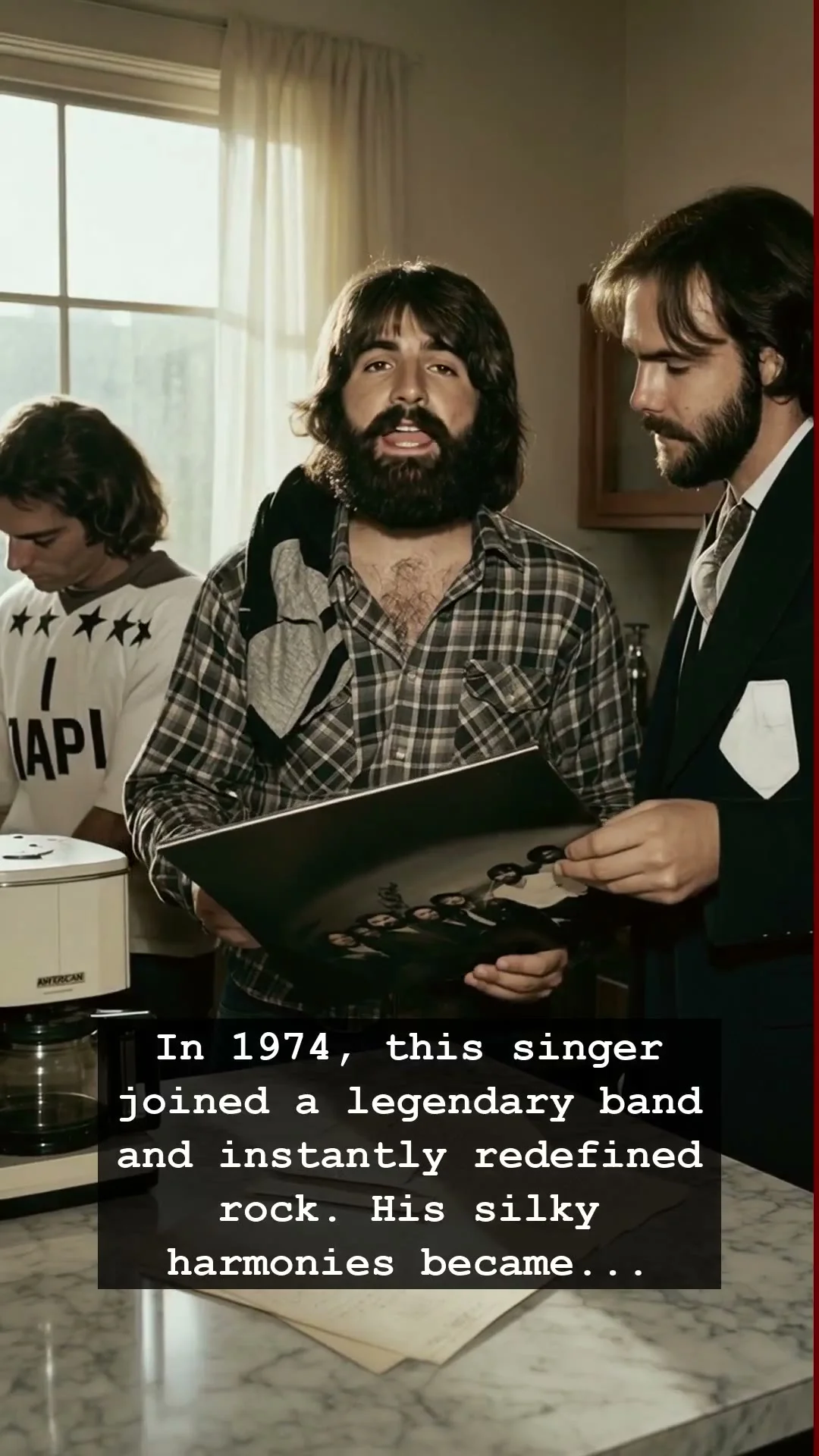
In 1974, the airwaves of America were saturated with the grit of blue-collar rock, but a quiet revolution was brewing inside a California studio. The Doobie Brothers, once synonymous with biker bars and rugged highway anthems, were on the verge of exhaustion and internal collapse. Then, a shy, blue-eyed soul singer stepped behind the microphone, and everything changed. Michael McDonald was not just a replacement; he was a sonic architect who would dismantle their hard-rock DNA and rebuild it into something impossibly smooth, sophisticated, and undeniably timeless.
Before Michael McDonald arrived, the band was a powerhouse of guitar-driven energy. Yet, the relentless touring schedule had left them fractured. When Tom Johnston fell ill, the group needed a miracle to survive. Enter the man with the velvet pipes. With his arrival, the rough edges of their sound began to soften, replaced by intricate jazz-infused chords and a vocal texture that felt like late-night neon reflecting on a rain-slicked highway. It was a transformation that shocked their die-hard fans but ultimately propelled them to new heights of commercial dominance, defining the sound of the late seventies.
This shift wasn’t without its growing pains. The transition from the biker-rock of China Grove to the slick, keyboard-led sophistication of What a Fool Believes created a palpable tension within the band’s inner circle. For years, the studio became a battleground of musical identities. Some saw Michael McDonald as a savior of their career, while others felt the soul of their original vision was being erased by his dominant piano chords and soulful, baritone delivery. This conflict, played out behind the thick velvet curtains of recording studios and the haze of industry parties, is what made this era so compellingly human.
As the seventies bled into the eighties, the impact of Michael McDonald became inescapable. You could hear his influence radiating from every Walkman on the street and drifting out of the speakers at Studio 54. He had tapped into a brand of blue-eyed soul that bridged the gap between radio-friendly pop and technical musicianship. It was a golden age for the refined ear, a time when a well-placed synthesizer hook or a perfectly layered vocal harmony could carry a track to the top of the Billboard charts.
Decades later, the legacy of Michael McDonald remains firmly embedded in our cultural consciousness. Modern producers still hunt for that specific, creamy texture he mastered, and his work with the band serves as a masterclass in musical reinvention. He taught an entire generation that a band doesn’t have to stay stagnant to be legendary. Whether you caught their meteoric rise on MTV or rediscovered these tracks on a vintage vinyl turntable, the silky harmonies of Michael McDonald still echo with a haunting, irresistible grace. It is a reminder that even in the most hardened rock bands, there is always room for a little bit of soul to change the world.