
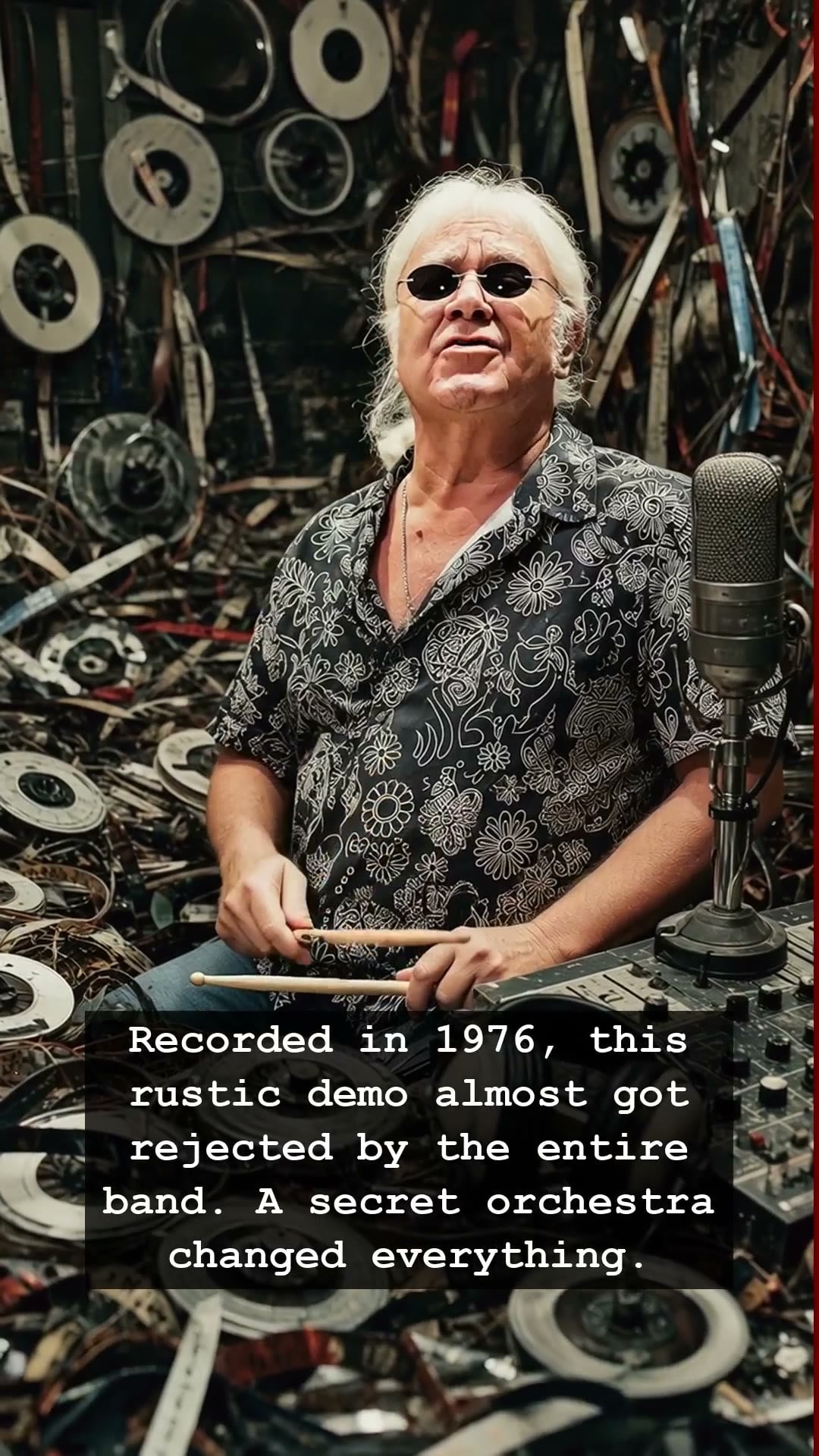
It was 1976, and the world of rock music was undergoing a tectonic shift. In the smoke-filled air of a recording studio, the four masked men of KISS—Gene Simmons, Paul Stanley, Ace Frehley, and Peter Criss—were feeling the immense pressure of their growing stardom. They were the kings of the arena rock stage, clad in leather, studs, and iconic greasepaint, but they were desperate to prove they were more than just a pyrotechnic circus act. They needed a ballad, something that would transcend the grit of the Sunset Strip and reach the millions of listeners tuning in on their transistor radios. Yet, the rustic demo for what would become their biggest anthem was almost tossed into the trash, rejected by a band unsure of their own vulnerability.
The song, of course, was Beth. Before it became the quintessential power ballad that every teenager would eventually croon over, it was a rough, piano-driven fragment written by Peter Criss. The rest of the band, deeply embedded in the hard rock ethos of the era, initially viewed the track as an anomaly—a soft, melancholic departure from the heavy, electric thunder that defined the KISS sound. They were worried about losing their edge in an age where the radio was dominated by the raw energy of rock and the rising tide of disco. It was a moment of artistic conflict that nearly cost them their greatest commercial triumph.
Then came the genius of producer Bob Ezrin. In a move shrouded in mystery and kept largely away from the band’s immediate interference, Ezrin brought in a secret 25-piece orchestra to flesh out the skeletal demo. He understood that to capture the American heart, the band needed to tap into a grander, more cinematic emotional scale. As the strings swelled and the piano notes resonated with a haunting, lonely clarity, the song transformed from a rejected demo into a sweeping masterpiece of melodic rock. The lush orchestration added a layer of sophistication that allowed KISS to infiltrate the airwaves in a way their heavier tracks never could.
When Beth finally hit the airwaves, it didn’t just climb the charts; it redefined the band’s legacy. It became a cultural touchstone of the late 70s, a song that filled high school auditoriums and resonated through the speakers of every wandering Walkman. It proved that behind the masks and the blood-spitting theatrics, KISS possessed a genuine, aching humanity. The song bridged the gap between the stadium rockers and the ballad-loving masses, cementing the band’s status as legends who could hold a crowd captive with nothing more than a melody and a story of loneliness.
Looking back at that era of vinyl records and dimly lit Jukeboxes, the story of Beth remains one of the most compelling chapters in rock history. It is a testament to the fact that even the most hardened icons are capable of profound sensitivity. Decades later, the song still carries the weight of 1976, transporting us back to a time when music was discovered through radio waves and the magic of a hidden orchestra could turn an outcast song into an immortal hit. Do you remember where you were when those strings first captured your heart?