
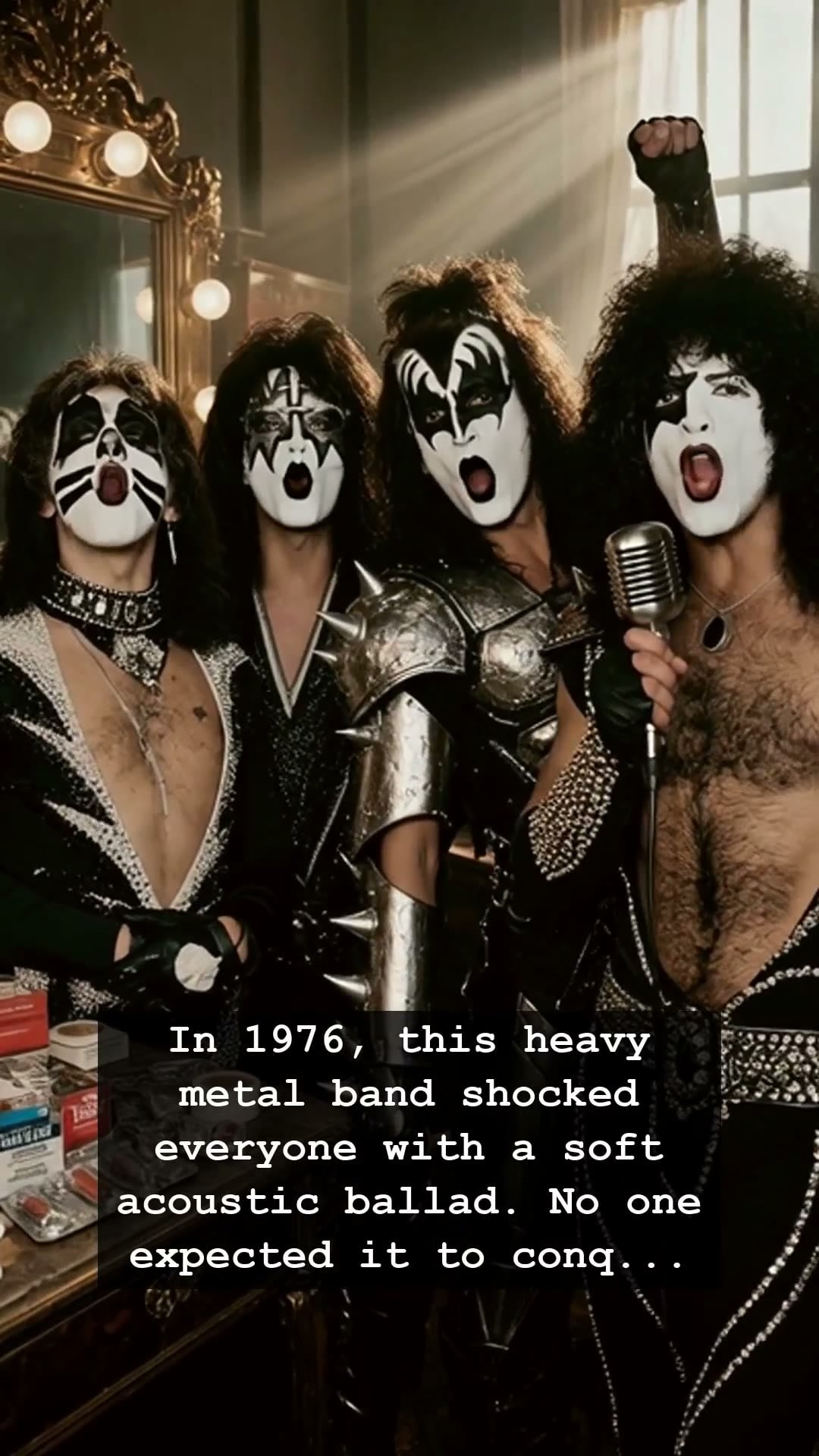
In 1976, the world of rock and roll was a jagged landscape of leather, pyrotechnics, and face paint. When you thought of KISS, you thought of the blood-spitting Demon, the high-flying Starchild, and the sheer sonic assault that defined the seventies arena rock scene. They were the villains parents warned their children about, the kings of the spectacle who thrived on shock value and thunderous guitar riffs. Yet, amidst the smoke and the chaos of the Destroyer album sessions, something unthinkable happened. The band that terrified middle America decided to drop their guard, trading their distortion pedals for a haunting, vulnerable piano melody that would leave their hardcore fans utterly bewildered. That song was Beth.
At the time, the release of Beth felt like a cosmic glitch. The music industry was dominated by the rising glitter of the disco era and the heavy, grit-filled anthems of the decade, yet here was KISS—the masters of the macabre—releasing a fragile, melancholic ballad. It was a massive gamble that threatened to alienate their core audience. Many feared that by softening their edges, the band was losing the very essence of what made them icons. The tension behind the scenes was palpable, as the band members themselves were deeply divided on whether this piano-driven track had any place in their leather-clad catalog. It was a departure so radical that it felt like a betrayal of their own brand, a sudden crack in the armored exterior of the most aggressive band on the planet.
Despite the internal friction and the skepticism from their label, Beth didn’t just survive; it conquered. It defied all expectations by climbing the Billboard charts, becoming an unlikely anthem for broken hearts and late-night road trips. For the millions of listeners who had never been part of the KISS Army, this song became an entry point, humanizing the ghoulish personas they had built on stage. It was the moment the monsters behind the makeup revealed their humanity. The track became their highest-charting single, proving that even the hardest rockers of the seventies couldn’t escape the universal pull of a well-told, emotional story.
Looking back, Beth serves as a time capsule of an era when music wasn’t afraid to take risks. In an age before the digital smoothing of modern production, the raw, echoing piano and Peter Criss’s strained, earnest vocals captured the loneliness of life on the road. It reminds us of a time when you discovered your favorite songs on a crackling jukebox or through the tether of a Walkman, finding solace in the unexpected softness of a band known for its fire. It was the perfect contrast to the grit of the seventies, a reminder that behind every legendary spectacle, there is often a quiet, human heart beating just beneath the surface.
Today, the legacy of this 1976 hit continues to resonate, not just as a piece of pop culture history, but as a testament to the power of artistic evolution. KISS proved that they were more than just the gimmicks that defined their stage presence. They were songwriters who understood that even in the world of hard rock, a ballad could cut deeper than any guitar solo. If you ever find yourself spinning the vinyl record of Destroyer, pay close attention to that final track. It remains a poignant reminder that even the wildest legends have a story to tell, and sometimes, the most shocking thing a rock band can do is be honest.