
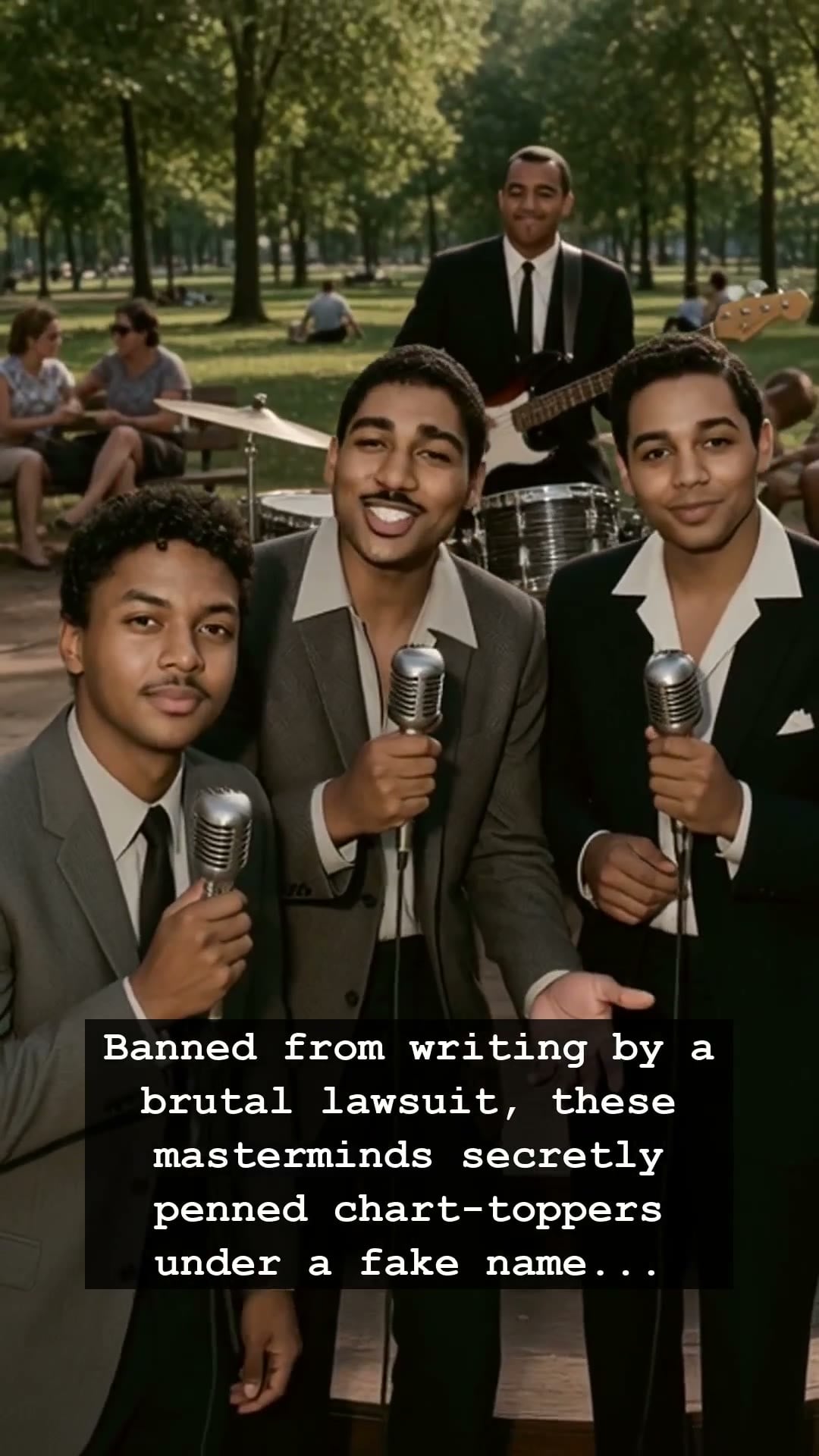
In the golden era of Motown, when the sound of Detroit pulsed through the streets like a heartbeat, three men were responsible for crafting the sonic architecture of a generation. Holland-Dozier-Holland—Brian Holland, Lamont Dozier, and Eddie Holland—were not just songwriters; they were alchemists who turned rhythmic soul into platinum gold. They gave the Supremes their sparkle and Four Tops their drive, defining the pop landscape from the mid-sixties onward. Yet, behind the polished melodies and the shimmering glitz of the Motown hit factory, a bitter, suffocating drama was unfolding in the shadow of the boardroom.
By 1968, the creative relationship between the trio and Motown founder Berry Gordy had soured into a legal nightmare. A brutal, multi-million dollar lawsuit erupted, leaving the songwriting powerhouses trapped in a web of contractual limitations. They were essentially barred from writing for themselves or anyone else under their own names. For any artist, this is a creative death sentence. Most would have retreated into the darkness, defeated by the weight of corporate litigation. But Holland-Dozier-Holland were not typical songwriters; they were defiant architects of sound.
Determined to beat the system, the trio retreated into the shadows, engaging in a high-stakes game of cat-and-mouse with the Motown legal empire. Operating under pseudonyms and clever aliases, they continued to compose massive chart-toppers, effectively ghostwriting their way back into the public consciousness. While the courts tried to silence them, their music remained ubiquitous, pumping through jukeboxes and car radios across America. It was an act of artistic rebellion, a masterclass in outsmarting an industry that sought to own their very creativity.
To the fans listening to their record players or jamming to the radio, the music sounded just as triumphant and soul-stirring as before. No one suspected that these chart-topping anthems were being birthed by the same men currently locked in a trench war with the most powerful label in the business. The irony was palpable: Motown was inadvertently funding the very people they were trying to crush. It was a secret, dangerous era where talent operated like an underground resistance movement, proving that you cannot imprison true creative genius behind red tape.
Decades later, the legacy of Holland-Dozier-Holland remains a testament to resilience in the face of corporate greed. Their story is a reminder of the raw, often ugly realities hidden beneath the polished veneer of mid-century pop music. It represents a time when the stakes were personal and the music was a matter of survival. Their defiance is woven into the DNA of the songs we still hum today, proving that even when the legal system tries to bury an artist, the music has a way of rising to the surface, indestructible and forever timeless.