
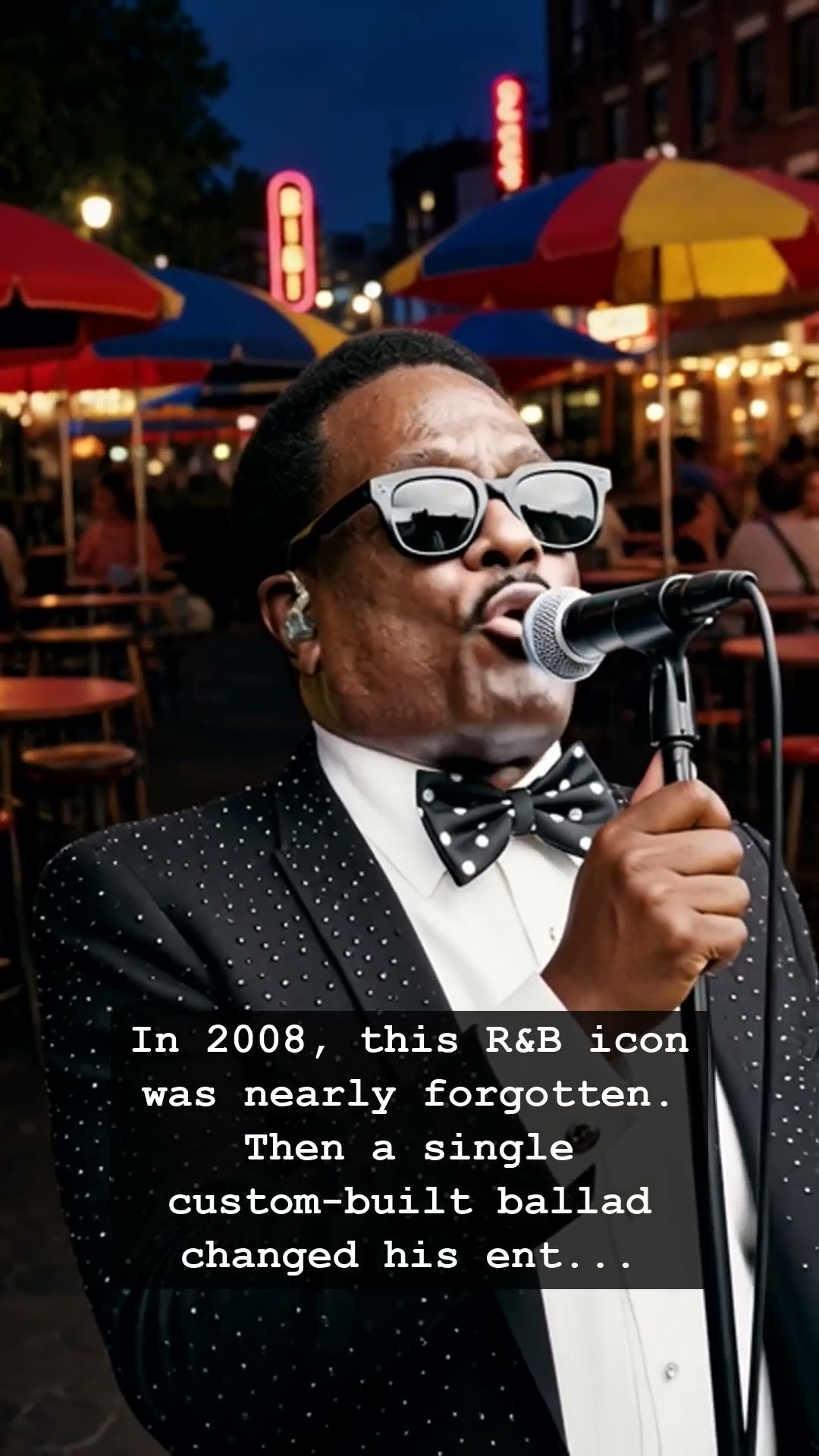
In 2008, the music industry had effectively erased a titan from its map. To the younger generation glued to the burgeoning digital landscape of the internet, the name Charlie Wilson was a relic of a bygone era, a fading echo of the Gap Band’s funk glory days. He had survived the cold, unforgiving reality of addiction and homelessness, living on the streets of Los Angeles while the world moved on to newer, flashier sounds. Just when it seemed the history books would close on him, a single custom-built ballad acted as a bridge between the classic soul of the past and the contemporary rhythm of the future, proving that true legends never really vanish.
Charlie Wilson’s career was never a smooth trajectory. As the charismatic frontman of the Gap Band during the late 70s and 80s, he defined the era of dance-floor funk and soulful strutting. Yet, fame in the music business is often a cruel, fickle friend. By the late 90s, the industry shift toward digital production and the decline of the traditional jukebox left many soul icons cast aside. For Charlie, this period was not just a career slump; it was a grueling survival story. Haunted by personal demons and the loss of his footing in a transformed industry, he drifted into the shadows, a forgotten king in the city of fallen angels.
Then came the turning point of 2008. While many icons of his era would have faded into the silence of retirement, Charlie Wilson found a new lifeline. With the release of his solo work, specifically the ballad ‘There Goes My Baby,’ the narrative shifted instantly. It was not just a song; it was a reclamation of his throne. The track resonated with a raw, velvet-smooth honesty that modern listeners were starving for. It dominated the number one spot, acting as a profound reminder that soul music is not merely a genre but a timeless emotional language. The industry that had written him off was suddenly forced to stand up and applaud.
This comeback was more than a fluke; it was a masterclass in resilience. Charlie Wilson carried the weight of the Motown legacy and the grit of the funk era into a modern studio, blending the warmth of analog soul with the crisp precision of 21st-century production. He proved that even after the walkman had been traded for digital players and the neon lights of the club scene had dimmed, the human voice remains the most powerful instrument on earth. His journey from the literal streets back to the top of the charts serves as a hauntingly beautiful metaphor for the endurance of the human spirit.
Today, we look back at Charlie Wilson not just as a survivor, but as a bridge between generations. His voice remains a testament to the fact that talent, when seasoned by the trials of life, gains a depth that fame alone can never provide. As you listen to the timeless grooves of his catalog, you are not just hearing music; you are hearing a story of redemption, whispered through a microphone that refused to stay silent. Let his classic soul melodies remind you that it is never too late to find your way home.