
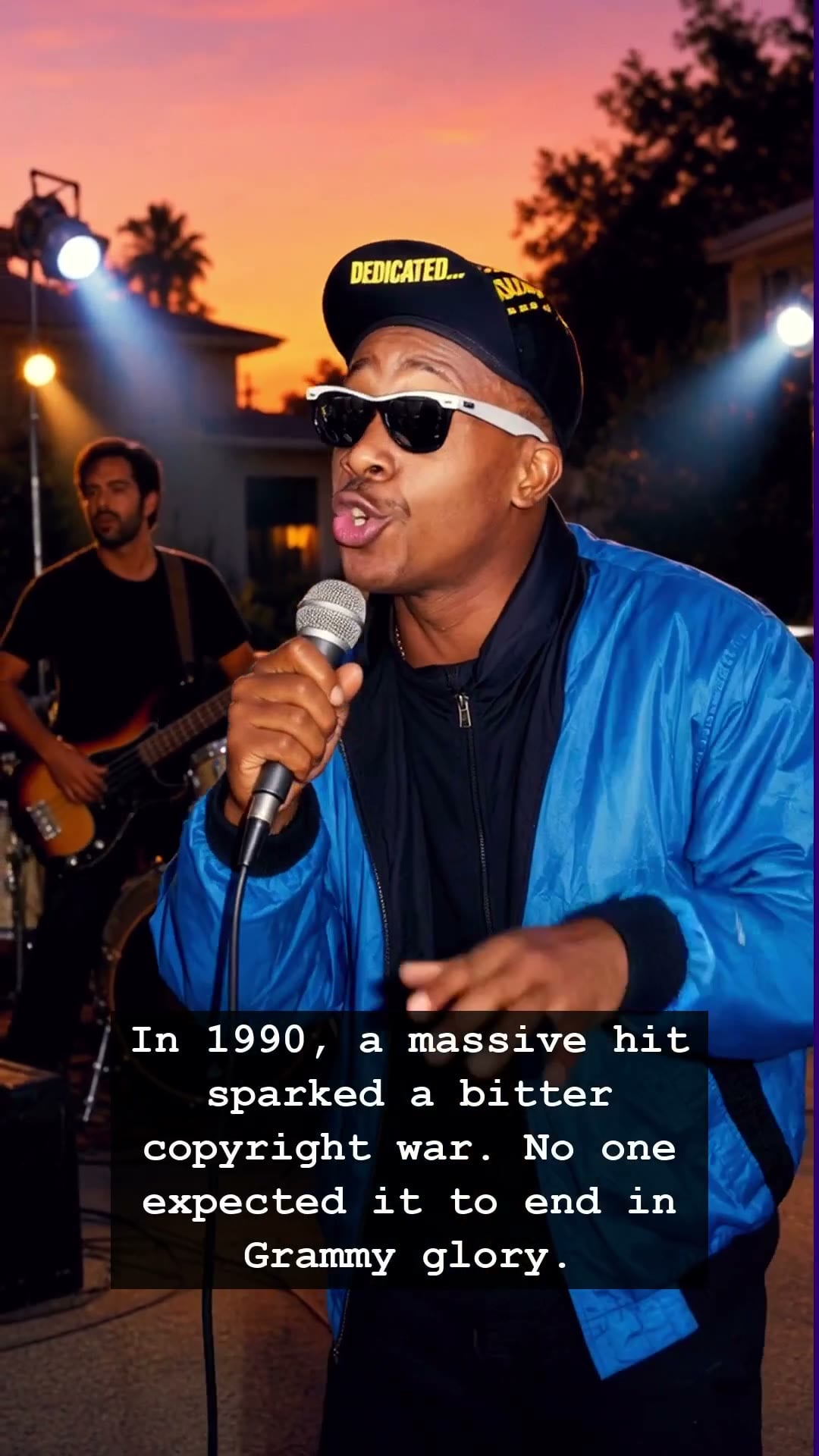
In 1990, the world was dancing to a rhythm that felt like it had been part of our DNA for decades. It was the era of neon spandex, parachute pants, and the absolute dominance of MTV. MC Hammer was the undisputed king of the charts, but behind the infectious, high-energy hooks of his breakout smash lay a ticking time bomb. While the world watched him glide across stages with gravity-defying moves, a massive legal storm was brewing, threatening to derail his career before it had truly even begun. The source of the friction? A legendary, unmistakable bassline that felt suspiciously familiar to anyone who had spent their formative years spinning records in the late seventies.
That bassline belonged to Rick James, the flamboyant architect of funk. When the opening notes of U Can’t Touch This hit the airwaves, James didn’t hear a tribute; he heard an uncredited appropriation of his 1981 classic, Super Freak. The tension between the rising hip-hop phenomenon and the established king of funk created a legal friction that could have easily ended in a career-killing lawsuit. For many, it was the classic conflict of the new guard stepping on the toes of the old. The media fueled the flames, waiting for a sensational courtroom showdown that would define the music industry’s stance on copyright in the early nineties.
However, the resolution was perhaps the most surprising plot twist in pop music history. Instead of locking horns in a bitter, protracted court battle, MC Hammer and Rick James opted for an unexpected reconciliation. They turned a potential disaster into a collaborative partnership that ultimately paved the way for massive Grammy success. Seeing two generations of musical powerhouses align rather than collide was a masterclass in industry diplomacy. It remains a fascinating footnote in the annals of music, proving that sometimes, even the most explosive dramas can lead to unexpected creative harmony.
Looking back, it is impossible to divorce the success of MC Hammer from that specific moment in time. The song captured the frantic, optimistic energy of the pre-Grunge era, back when the Walkman was your constant companion and the Jukebox was still the heartbeat of every neighborhood diner. The legal resolution allowed the song to continue its climb, cementing its status as an inescapable global anthem that filled dance floors from school gymnasiums to the high-fashion clubs of Los Angeles. It was a time when pop culture felt bigger than life, and the music reflected that grandeur.
Today, we look back at the rise of MC Hammer not just for his iconic dance moves, but for the complex web of influences and conflicts that shaped his journey. It serves as a reminder that every hit record is a fragile piece of art, often held together by the thin threads of legacy and cooperation. As we revisit the soundscapes of 1990, the story of this stolen bassline remains a testament to the resilience of a hit song and the unpredictable nature of fame. Do you still find yourself trying to recreate those legendary dance steps whenever the beat drops?