
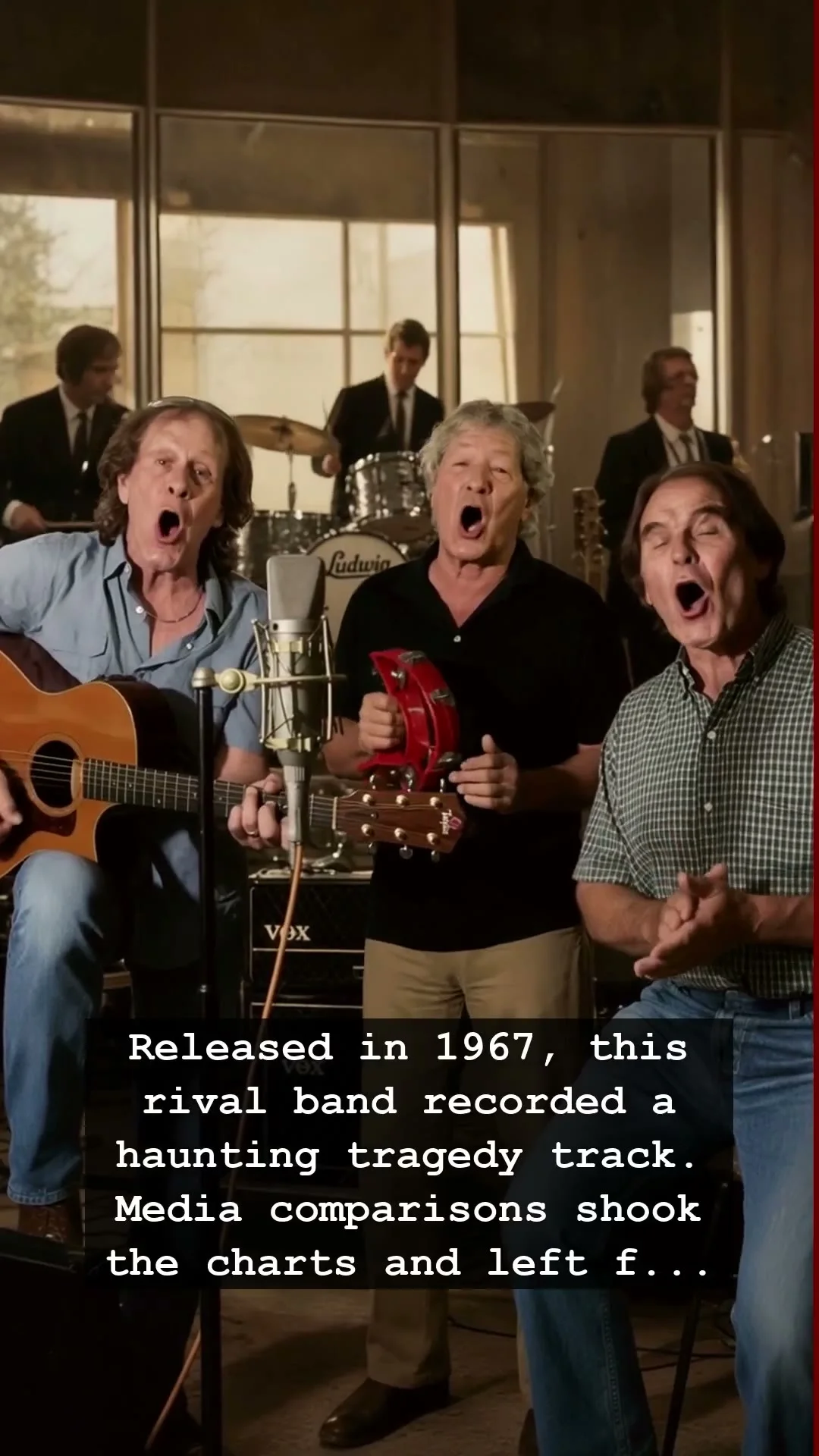
It was 1967, a year when the airwaves were crowded with the shimmer of psychedelic experimentation and the shifting tides of the British Invasion. Amidst this sonic revolution, a curious case of mistaken identity gripped the charts, creating a divide that left music critics scrambling and fans utterly baffled. The track in question was King Midas in Reverse, a haunting, orchestral masterpiece released by The Hollies that sounded, to many ears, like the emerging sound of a certain rival group from Australia. The media frenzy that ensued was nothing short of a spectacle, pitting The Hollies against the rising star power of the Bee Gees in a battle for harmonic supremacy.
At the time, both bands were navigating the complex landscape of the late sixties. The Bee Gees had just arrived with their debut international hits, characterized by those signature, ethereal vocal harmonies that seemed to tap into a different dimension. When The Hollies unleashed the intricate, melancholic production of King Midas in Reverse, listeners were paralyzed by the sonic similarities. The song was a daring departure from the group’s usual pop sensibility, layered with complex arrangements that echoed the growing sophistication of the era. Critics were quick to draw comparisons, turning the charts into an arena where fans felt forced to pick a side in a rivalry that felt deeply personal and artistically charged.
The tension was palpable, fueled by a music press that thrived on narratives of competition. Was it a deliberate imitation or simply a shared moment of musical zeitgeist? For The Hollies, a band defined by the powerhouse vocals of Allan Clarke and the melodic genius of Graham Nash, the accusations were a stinging distraction from their evolution. The song, written about the tragedy of having everything one touches turn to cold, unfeeling gold, became a metaphor for the band’s own struggles with fame. While the Bee Gees were catapulted into a new orbit of global stardom, The Hollies found themselves stuck in a strange limbo, shadowed by the very haunting melody they had meticulously crafted.
Looking back, the drama of 1967 feels like a ghost story told through a vintage jukebox. We remember the era for its Technicolor dreams and the rise of MTV years later, but it was the subtle conflicts—the quiet rivalries and the artistic ego clashes—that gave the music its sharpest edges. The Hollies did not just record a song; they captured the anxiety of an industry constantly hunting for the next big sound, often at the expense of the artists themselves. The debate over who sounded more like whom has faded, but the haunting beauty of the composition remains, untouched by the passage of decades.
Today, King Midas in Reverse stands as a testament to a fleeting moment of uncertainty. It serves as a reminder of how quickly the tides could turn in the mid-sixties, where a single single could either solidify a legacy or spark an unnecessary war. For those of us who still cherish the crackle of a worn-out vinyl, the story of The Hollies during this period is a poignant piece of history. As you revisit this track today, listen closely to the harmonies—it is not just a song, but a time capsule of an era when the lines between brilliance and imitation were beautifully, dangerously blurred.