
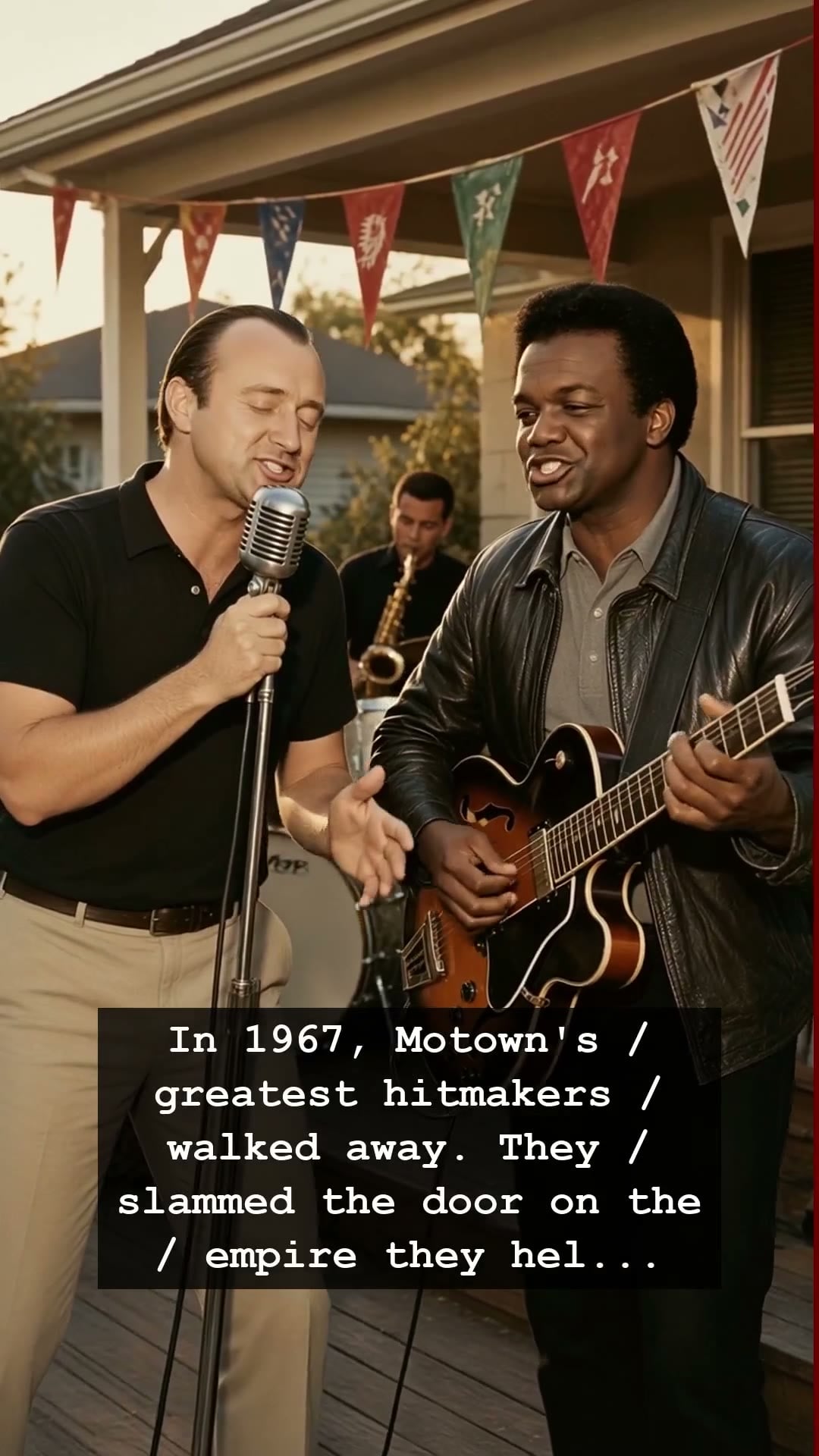
The year was 1967. The air in Detroit was thick with the scent of motor oil and the pulsating rhythm of the Motown sound, but inside the Hitsville U.S.A. studio, something had gone horribly wrong. The greatest hit-making trio in music history, Holland-Dozier-Holland, made a move that sent shockwaves through the industry. They didn’t just walk out; they slammed the door on the empire they helped build, leaving behind a silence that felt deafening to the millions who lived for their infectious, polished pop perfection. For those who grew up glued to the transistor radio or spinning 45s on a jittery turntable, this wasn’t just a business dispute; it was the end of an era.
Brian Holland, Lamont Dozier, and Eddie Holland were the architects of the Motown identity. Between 1963 and 1967, Holland-Dozier-Holland crafted a relentless string of number-one hits, providing the soundtrack for a generation. They were the masterminds behind The Supremes, the Four Tops, and Martha and the Vandellas. Their songs were like clockwork miracles of soul and rhythm, blending sophisticated orchestrations with raw, human yearning. However, beneath the glitter of their chart-topping success, a bitter conflict was brewing. Locked in suffocating contracts and plagued by royalty disputes that seemed increasingly unjust, the trio felt their creative genius was being drained by the very label they defined.
When Holland-Dozier-Holland finally severed ties with Berry Gordy, the fallout was instantaneous. The production line that had consistently churned out gold suddenly halted, and the Motown machine, once considered untouchable, trembled. It was a dramatic collision between the harsh realities of the music business and the artistic spirit of three men who simply wanted their fair share of the sunshine. This wasn’t just a legal battle; it was a betrayal that redefined the power dynamics between artists and studio heads during the peak of the golden age of American soul.
Reflecting on that time today, it is easy to hear the ghosts of those sessions in the faint crackle of a vinyl record. Whether you were dancing in a smoke-filled lounge or swaying to the radio in your family kitchen, the sound of Holland-Dozier-Holland was the heartbeat of the sixties. Their departure proved that even the most legendary collaborations are fragile, vulnerable to the crushing weight of greed and corporate ego. It remains one of the most significant ‘what-if’ moments in music history, leaving fans to wonder what other timeless classics might have emerged had the trio stayed.
Decades later, the legacy of Holland-Dozier-Holland remains untarnished. They weren’t just producers or songwriters; they were the sonic glue that held a changing America together through the mid-sixties. When you listen to their work now, you aren’t just hearing catchy melodies; you are hearing the tension, the ambition, and the ultimate heartbreak of a team that built a kingdom only to walk away from the throne. Take a moment to revisit their catalog today and listen closely—you might finally hear the quiet storm that led to the day the music changed forever.