
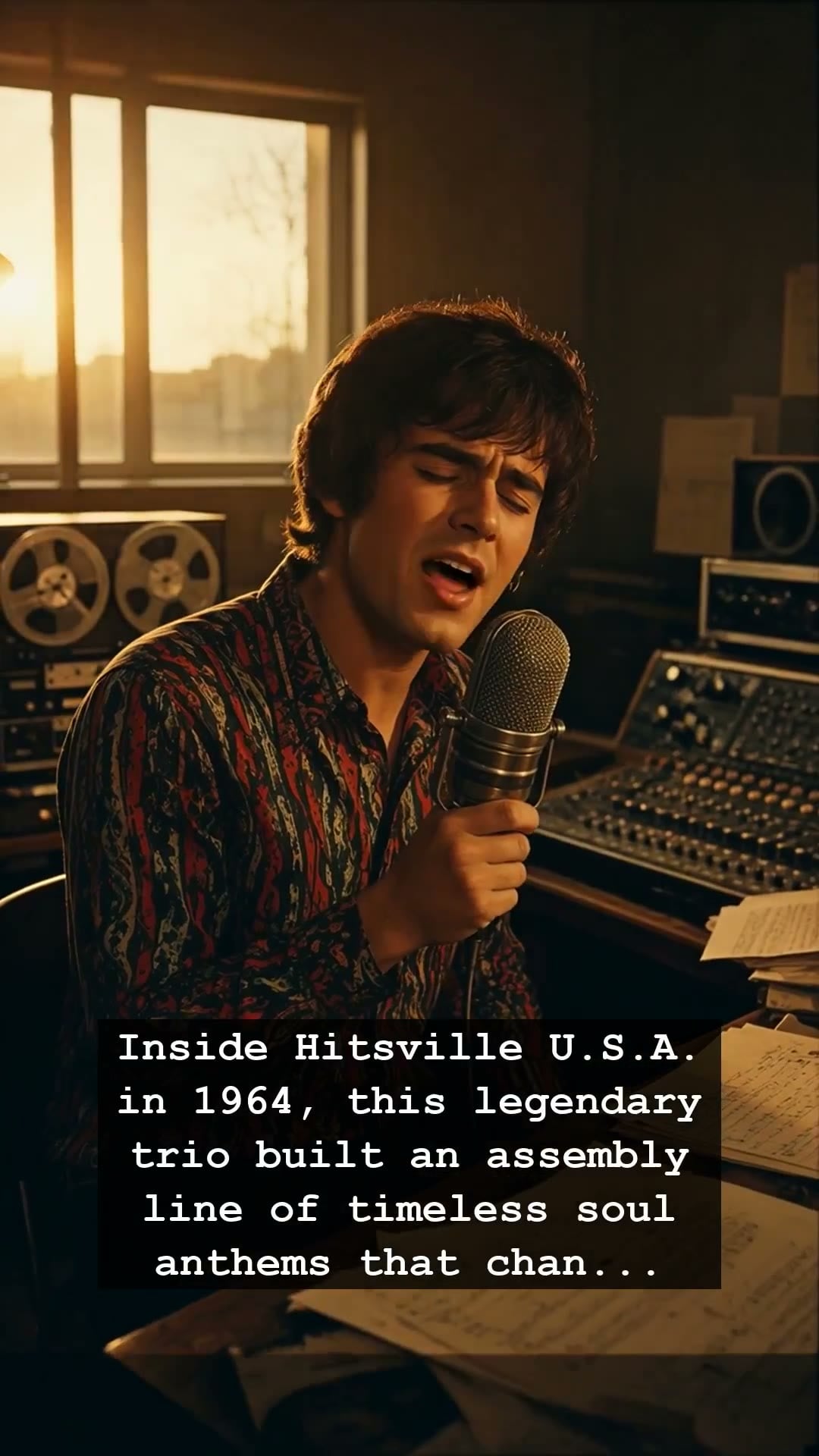
In 1964, the air inside Hitsville U.S.A. was thick with the scent of floor wax and the relentless ambition of young geniuses. While the rest of the world was mesmerized by the British Invasion, a small, unassuming building in Detroit was quietly engineering a sonic revolution that would define a generation. At the heart of this Motown machine were three men whose names were whispered with reverence by every rival label in the business: Holland Dozier Holland. Brian Holland, Lamont Dozier, and Eddie Holland were not just songwriters; they were master architects of a sound that transformed soul music from a niche genre into the undeniable heartbeat of American culture.
The genius of Holland Dozier Holland lay in their uncanny ability to construct music like an assembly line, yet infuse every single beat with raw, unfiltered humanity. They understood the psychology of the teenage heart better than anyone else. Whether it was the desperate plea of a lover or the infectious joy of a dance floor hit, they knew how to craft a hook that would burrow into your subconscious and refuse to leave. Inside their tiny studio, they demanded perfection from artists who would become legends. It was a pressure cooker of creativity, where tempers flared and egos clashed, but the resulting output—anthems like Baby Love and Stop! In the Name of Love—remains the gold standard of pop craftsmanship.
Yet, the story of Holland Dozier Holland was not merely one of chart-topping success; it was a high-stakes drama played out behind the scenes of the glamorous Motown facade. As they churned out hit after hit for the Supremes and the Four Tops, the trio found themselves locked in a complex struggle for creative autonomy and financial recognition. The tension between their artistic vision and the iron-fisted control of label head Berry Gordy began to fray the seams of their partnership. The very machine that allowed them to dominate the radio waves eventually became a cage, leading to a bitter, headline-grabbing fallout that shattered the Motown empire’s inner circle in the late sixties.
Looking back, the legacy of Holland Dozier Holland feels like a fever dream of a bygone era, long before the digital age fragmented our listening habits. Their tracks were the soundtrack of transistor radios, jukeboxes in roadside diners, and the first slow dances in high school gyms. They didn’t just write songs; they composed the emotional landscape of the sixties. When you hear the opening chords of one of their masterpieces today, you are instantly transported back to a time of vibrant soul and unbreakable melody.
Even decades later, their influence is woven into the DNA of modern music, echoing through every pop production that values a perfect chorus. The magic they created remains frozen in the grooves of dusty vinyl records, waiting to be rediscovered by those who crave the authenticity of the golden age of soul. As we navigate the noise of the modern world, the work of Holland Dozier Holland reminds us that true genius is timeless, echoing long after the studio lights have dimmed.