
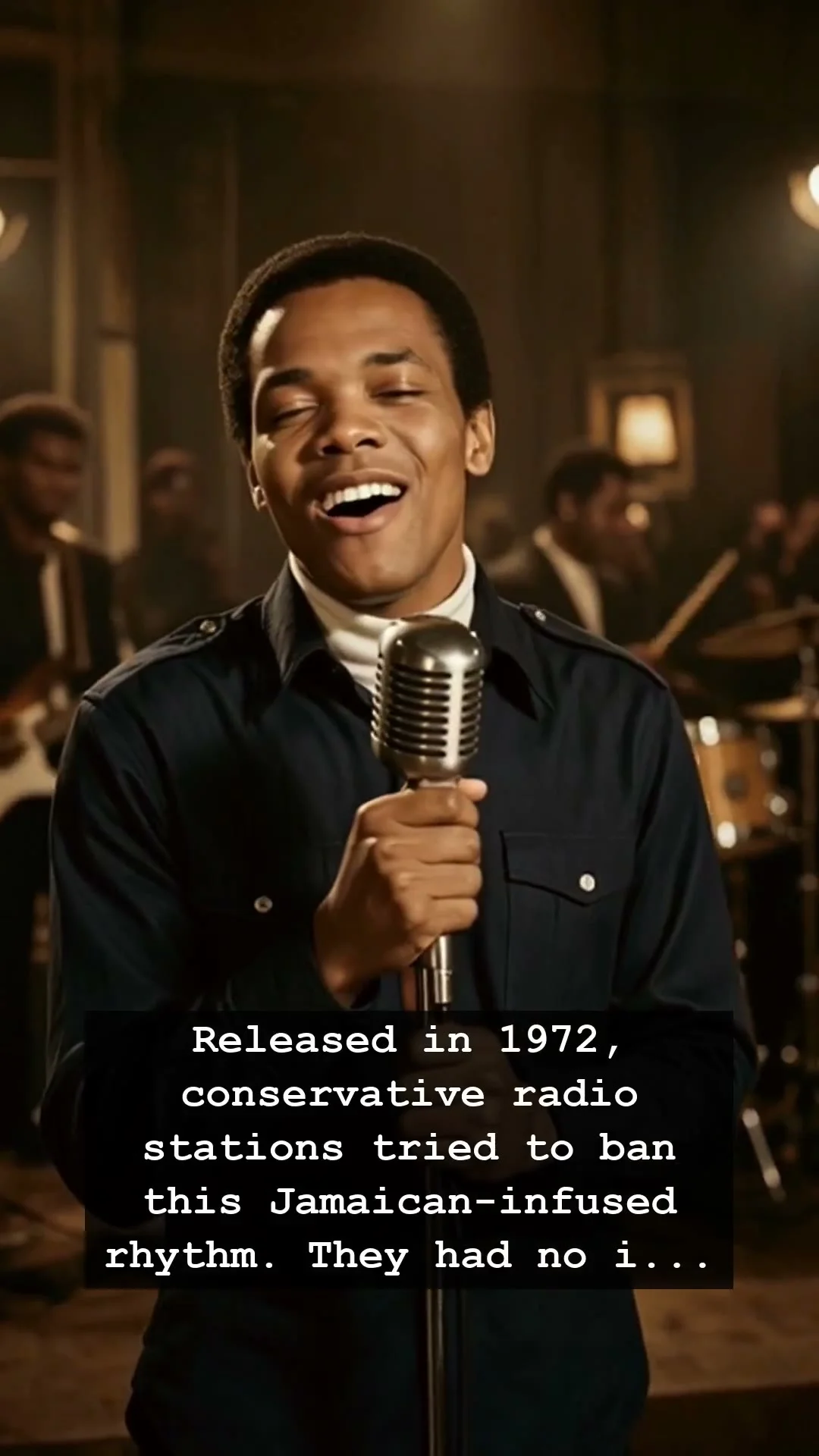
The year was 1972. The airwaves were dominated by the polished sounds of AM radio, the era of the Walkman was still a distant dream, and the jukeboxes were spinning nothing but standard rock and soul. Suddenly, a track arrived that defied every convention of American pop music. It was a rhythmic, laid-back, and soulful tune that sounded like it had been transported from a different world. Conservative radio programmers were baffled. They didn’t know what to make of this strange new Jamaican-infused pulse, and many tried to block it entirely, fearing it was too foreign, too radical, or simply too different for the mainstream ear. But they were wrong. The man behind this sonic rebellion was Johnny Nash, and the song was I Can See Clearly Now.
Johnny Nash was not a typical revolutionary. Before this breakthrough, he had spent years carving out a space for himself in the American R&B circuit, but his heart was always searching for something more authentic. His journey took him to Jamaica, where he fell in love with the island’s burgeoning rocksteady and reggae sounds. By the time he stepped into the studio to record his masterpiece, he was not just creating a song; he was bridging a cultural divide. He brought the warmth of the Caribbean into the chilly, structured landscape of American pop, creating a sound that was impossible to ignore. Despite the initial resistance from gatekeepers, the song proved that true musical innovation cannot be contained by labels or radio format politics.
There is a profound, bittersweet beauty in the story of Johnny Nash. While the world remembers the hit, few recall the immense pressure of being an outsider in an industry obsessed with consistency. In an era where Arena Rock was beginning to dominate the stadiums, Johnny Nash offered something intimate and hopeful. The song’s massive success smashed every barrier, proving that the American public was starving for a new texture in their music. It became a cultural touchstone, a beacon of light that helped usher in a more diverse soundscape for the decades that followed. This was a moment where the rigid walls of 1970s radio started to crumble.
Looking back, the track remains a masterclass in simplicity and emotional resonance. It is a testament to the grit of a man who dared to bring an island rhythm to a heartland audience. Whenever that iconic opening chord rings out, it transports us back to a time of transition, reminding us of the days when music felt like a genuine discovery rather than an algorithmically generated suggestion. Johnny Nash did not just land a number one hit; he invited the world to listen to something beautiful that it almost missed.
Do you remember where you were the first time those lyrics washed over you? Even today, the legacy of Johnny Nash continues to hum beneath the surface of modern pop, a gentle reminder that the most revolutionary art often begins with a simple, honest desire to change the status quo. His voice is a ghost of a golden age, still waiting for us to turn up the volume and listen once more.